

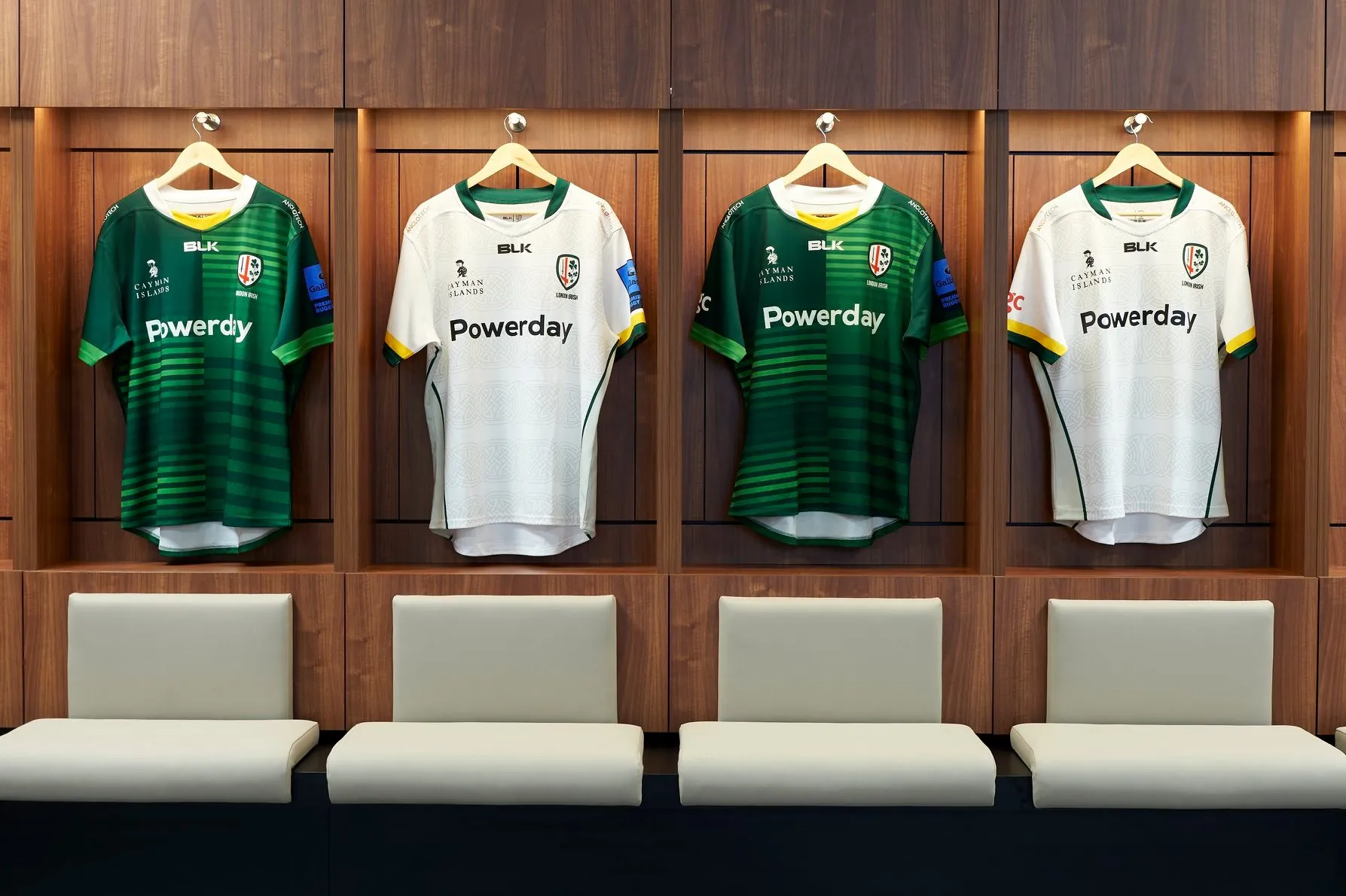
Department of Tourism officials have been ordered to hand over a cache of documents linked to its controversial sponsorship strategy, following a 20-month Freedom of Information battle with the Cayman Compass.
In a ruling handed down Thursday, the Ombudsman decided the department was wrong to claim details of the deals – which involve government funds – were ‘commercially sensitive’ or protected as ‘trade secrets’ that could not be shared with the public.
Ombudsman Sharon Roulstone also reprimanded the department for its “slow and selective” response to the Compass‘s request.
“This is not an acceptable way of answering requests under the Freedom of Information Act,” she said, in a comprehensive ruling that sided with the Compass in almost every aspect of its appeal.
The department used more than half-a-million dollars of taxpayer funds to sponsor British sports teams over a period of three years in an apparent effort to boost tourism from the UK, according to partial records already shared with the Compass.
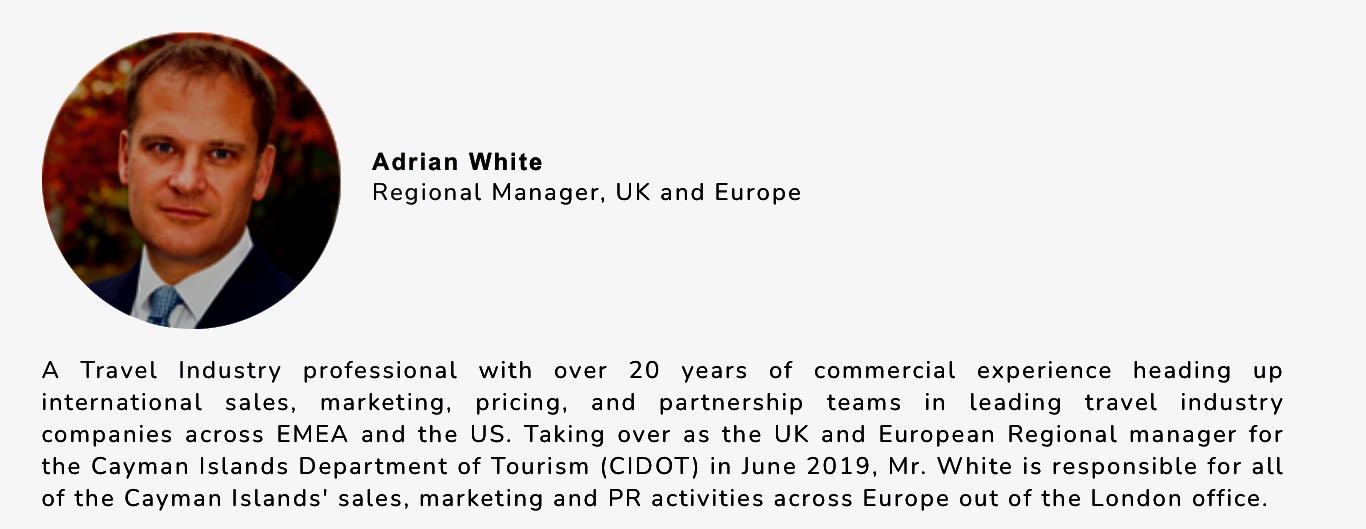
One of the teams sponsored was a recreational field hockey team, with no fan base, linked to Adrian White, Cayman’s senior tourism official in the UK.
Those details emerged in February of this year following a Compass open records request, filed 12 months earlier. However, the department withheld details of the contracts, what it got in return and any business case or value for money analysis in its response.
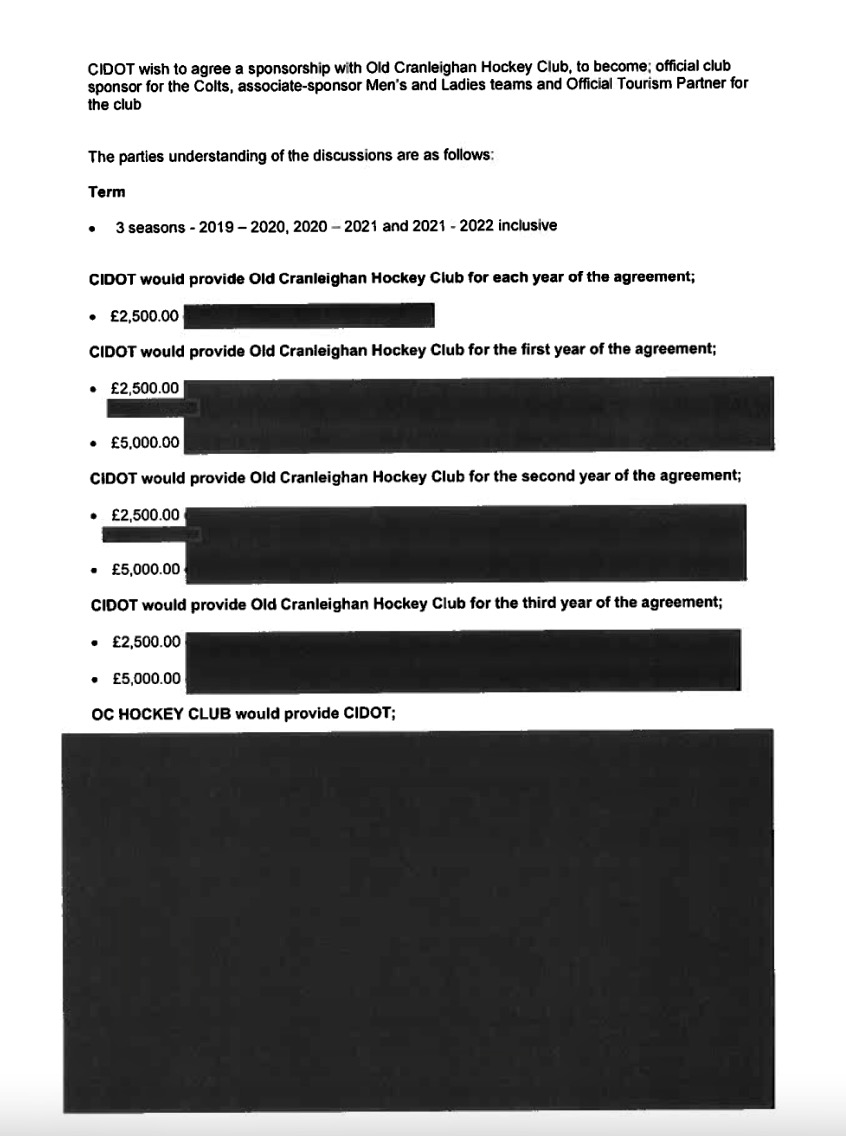
Tourism leaders said at that time that they were unaware of the connection between White and the Old Cranleighan Hockey Club, which received $10,000-a-year from government over the three years covered in the response, until the Compass‘s investigation.
A Department of Tourism spokesperson said it took potential conflicts of interest seriously and was reviewing the matter.
But the results of that review process were never revealed and White is still listed on the Department of Tourism’s website as its regional manager for UK and Europe. The department has declined to answer further questions about White’s actions or employment status over the past months, including this week.
Following the Ombudsman’s ruling on Thursday, government is required to hand over unredacted copies of its agreements with all the sports clubs receiving sponsorship funds from the Cayman Islands Department of Tourism, as well as the business case process for each of those agreements.
The department has 45 days to indicate if it intends to appeal the Ombudsman’s ruling to the Grand Court.
Amateur UK clubs receive Cayman cash
Some of the deals revealed so far involve relatively well-known teams that occasionally appear on television, including London Irish Rugby Club, Portsmouth FC and Gloucestershire County Cricket Club.
Other deals include small amateur sports clubs that attract almost no media coverage or support beyond a small coterie of family and friends.
Chief among those is the Old Cranleighan Hockey Club.
The Compass confirmed that White is linked to the club, has played for its teams and coached in its junior programme. His LinkedIn profile indicates he attended the affiliated Cranleigh School.
How were sponsored teams selected?
White’s involvement with the Surrey hockey team raises serious questions about how the teams that benefited from Cayman Islands sponsorship money were selected.
While the records provided in response to the Compass FOI request included the annual payments made by the Department of Tourism to each club, there were limited details about what the department or the country got in return.
Equally, the business case analysis was not provided, nor any justification over why those clubs were selected and why this was considered a good use of funds.
No ‘trade secrets’ in hidden files
The Department of Tourism attempted to defend its decision to withhold those details on appeal, but the Ombudsman ruled that neither ‘trade secrets’ nor ‘commercial sensitivities’ exemptions applied to the material.
Of the business cases, she wrote, “I find the arguments raised by the DOT unconvincing. The cost of each sponsorship and partnership is known from previous disclosures, as it should be, but the general public also has a reasonable expectation to understand the rationale behind the expenditures of public funds.”
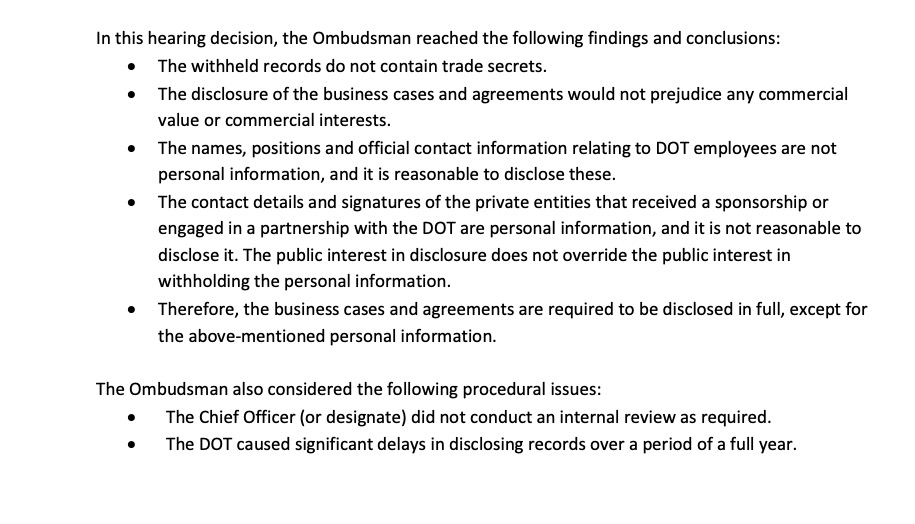
The ruling also reinforces previous decisions that contractual confidentiality clauses don’t absolve government entities from their responsibilities under the law.
“Public authorities cannot ‘contract out’ of their lawful obligations under primary legislation such as the Freedom of Information Act,” the Ombudsman wrote.
She added, “The DOT’s sponsorships/partnerships are for the most part with small, amateur sports organizations who presumably are quite happy to have the name and logo of the Cayman Islands associated with their events in exchange for a reasonable monetary payment.”
Drip-feed disclosure
The Compass persisted with this application over 20 months, sending more than 100 calls or emails to get the information – which it has still not received in full.
The Ombudsman’s ruling criticises the department for a “drip-feed disclosure” of information that dragged out the process.
“I cannot find any good reason for the slow and selective response the DOT gave to the applicant’s request,” Roulstone wrote in her decision.
“While an initial, partial disclosure of records took place within the initial statutory timeline, the applicant had to insist time and again that more records must be held.
“These were then very gradually (and in some cases partially) provided over a period of multiple months, under close scrutiny of my office. The final explanations for withholding some of the records were not given until more than a year after the request was made.”
In the Compass‘s submissions to the Ombudsman, it argued that it was in the public interest for details of how the people’s money was spent to be made public, especially given the potential for conflict of interest or misuse of funds revealed in the partial records release.
“This is a very simple case of the public having the right to know how their money is spent,” the Compass wrote in its statement to the hearing.
Related Videos












If the money was spent wrongly the officials that did it should have to pay the country back with their own money
Well done for pursuing this, Cayman Compass.
It will be fascinating to see what emerges, and what actions the authorities take.