Cayman travelers heading to dengue-prone countries are being advised to take extra precaution during their stay, after three returning residents tested positive for the mosquito-borne disease.
Chief Medical Officer Dr. Nick Gent, in response to queries from the Cayman Compass, issued the advice on Saturday as he assured that there was no outbreak of the disease here.
“All of these cases were as a result of infections acquired in other countries and we have not detected any cases of dengue fever from infections arising in the Cayman Islands,” Gent said in his statement.
He said that from such imported cases, Dengue is not at this time endemic in the Cayman Islands.
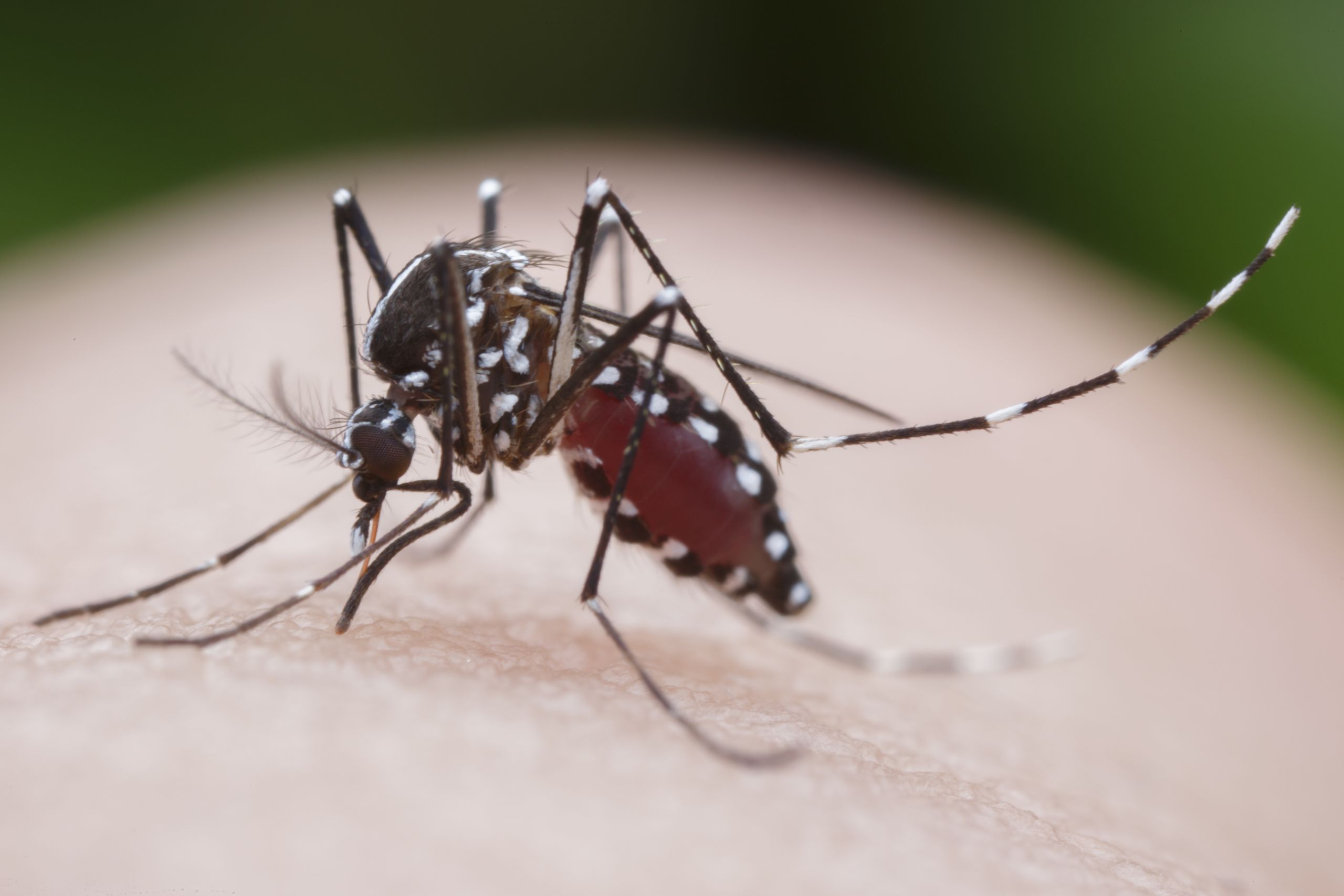
“However, when visiting some of the islands in the Caribbean and parts of Central and South America, people should take precautions against mosquito bites to protect themselves against mosquito borne infections, such as Dengue, Chikungunya and Zika,” the Chief Medical Officer said.
Dengue is a viral infection spread from mosquitoes to people, he explained.
“The symptoms of dengue are high fever, headache, body aches, nausea, and a rash,” he said.
Gent said Cayman is able to rapidly diagnose dengue in the island’s molecular diagnostics laboratory.
He said steps have been put in place to prevent Dengue taking stay on local shores.
“We continue to manage such cases by confirmation with local rapid molecular diagnostics and routinely put in place mosquito control around residences of cases to limit the unlikely possibility of dengue becoming established in the Cayman Islands,” he said.
Several countries in the Caribbean are dealing with outbreaks of Dengue fever, which Gent said “is becoming a significant issue” there.
At least 44 states in the US have reported cases of dengue this year, totalling 794.
On Friday the Pan-American Health Organisation issued an Epidemiological Alert on the increase in Dengue cases in Central America and the Caribbean.
It, together with the World Health Organisation, encouraged member states in South America “to review their preparedness and response plans, as well as continue surveillance, early diagnosis, and timely care of dengue and other arbovirus cases, in order to prevent severe cases and deaths associated with these diseases”.
PAHO said the highest cumulative incidence rates were reported in the southernmost areas of South America, with 931 cases per 100,000 population, the Andean Subregion, which includes Colombia, Ecuador, and Venezuela, with 326 cases per 100,000 population, and the Central American Isthmus and Mexico with 124 cases per 100,000 population.
Related Videos