A newly passed law will allow access to beneficial ownership information as part of anti-money laundering and counter-terrorist financing investigations – but not to the public.
The Beneficial Ownership Transparency Bill 2023 was presented in Parliament on Thursday, 23 Nov., for a first, second and third reading before being passed.
Deputy Premier André Ebanks, minister of financial services and commerce, moved the second reading of the bill.
“It’s a bill that provides for the consolidation and enhancement of the beneficial ownership legislative framework into a single act,” he told sitting members.
This will streamline processes and procedures to ease the administrative burden on government agencies and industry participants, he said.
The Cayman Islands has been collecting beneficial ownership information – details on who ultimately owns or controls an asset or entity – for over two decades, Ebanks explained.
However, over the last seven or eight years, matters have become “voluminous”, he said.
The minister noted that the law provides for “incidental and connected” purposes such as addressing evolving global standards.
The law will allow access to information to people with a “genuine need to seek information” to combat money laundering or terrorist financing, Ebanks explained.
But this does not include general public access, he stressed.
It will “demonstrate that the Cayman Islands, once again, is a leading financial services centre of excellence in complying with evolving international standards”, he said.
Ebanks said he hoped the principal legislation will be on the statute by the end of the year – however, it will not be developed and implemented “in haste”.
Underlying regulations will need to be prepared and consulted upon, and guidance notes drawn up, he said. He estimated it would take at least a year to get the system streamlined and in place.
‘Ahead of the curve’
Opposition leader Roy McTaggart, speaking next on the bill, said that during his party’s term in government, they committed to implementing a beneficial ownership provision to allow public access to companies’ information.
“What is here in this legislation isn’t the same as what was being asked of us from the outset,” he said, as there was previously pressure for “full access”.
“We’ve been digging ourselves out of the back foot for many years. We’ve been behind the curve,” McTaggart said.
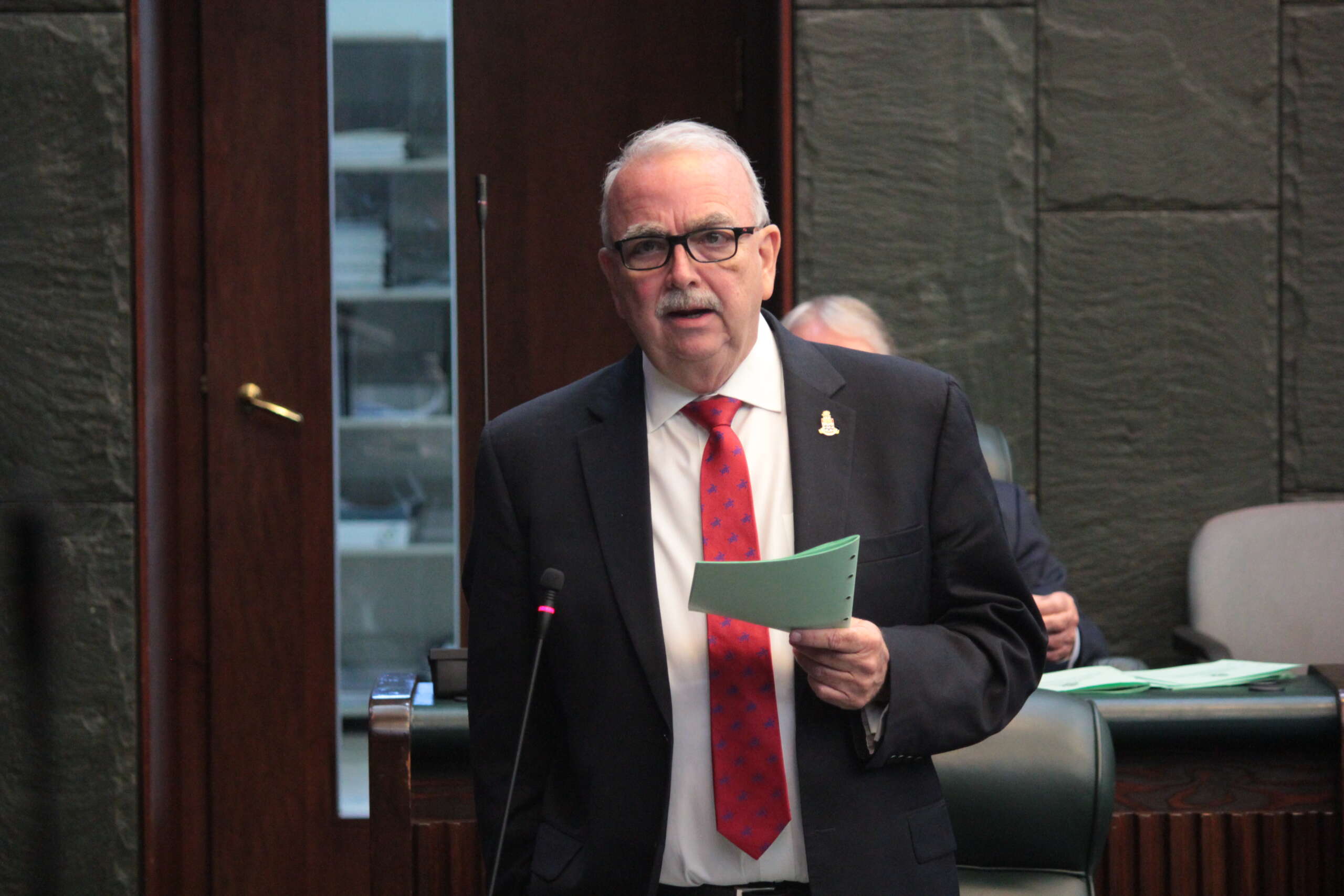
“And where we are today, now, we are at the top. And this, I think, puts us ahead of the curve and I would hope that we can always remain that way.”
He called Cayman “a huge jurisdiction in the financial services world” which is well respected, and asked Parliament to ensure it remains that way.
He said all members of the Opposition will be voting in favour of it.
Kenneth Bryan, minister for tourism and ports, congratulated Ebanks, his ministry and the Office of the Attorney General for getting the bill into Parliament.
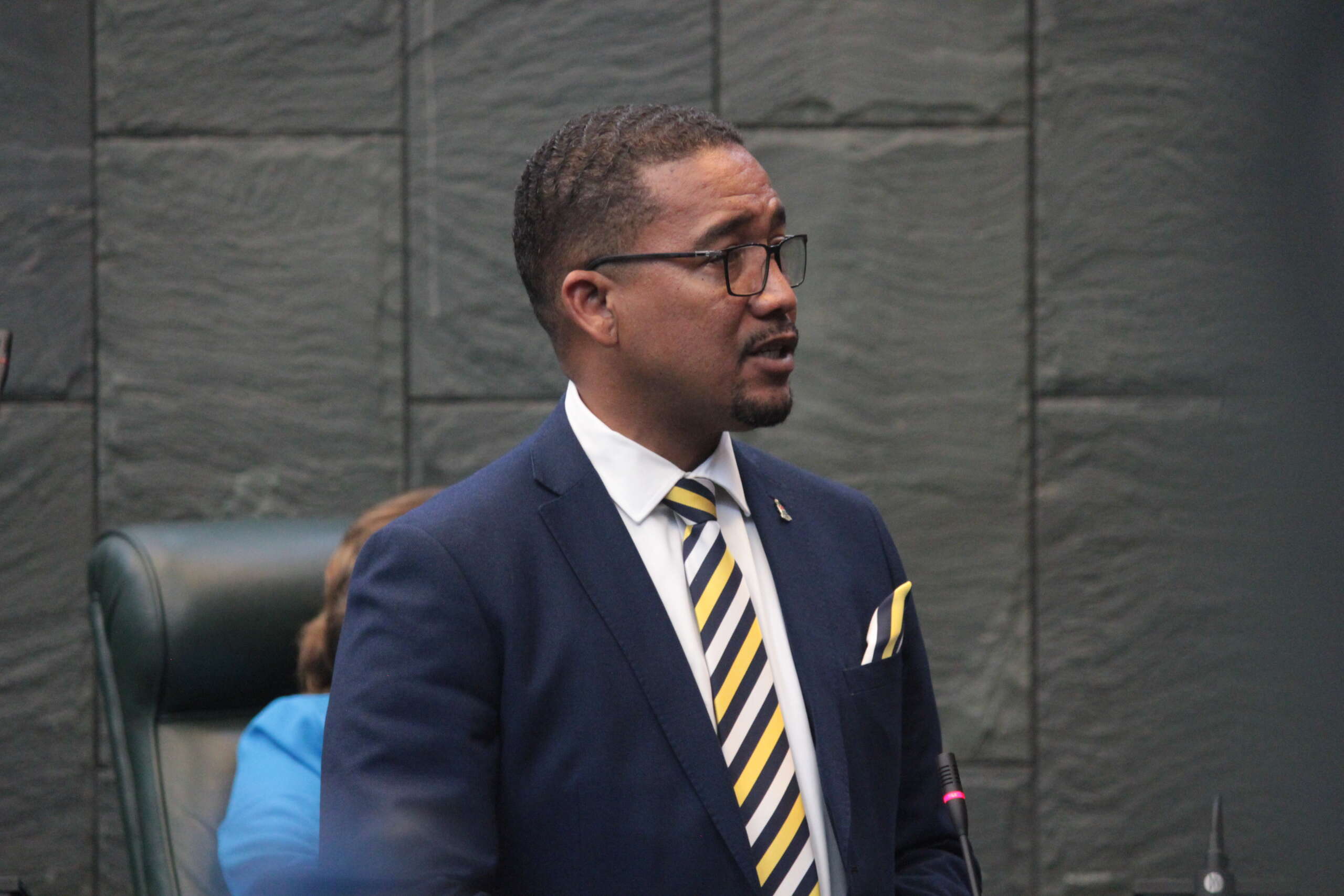
He said he had previously been nervous about the bill but said he was comforted by the guidance given in caucus and in Cabinet.
This addressed his “fears and the worries of potential loss to our financial services industry by the transition into transparency”, Bryan said.
He added: “I’m comforted to know…that we shall still continue to be one of the world leaders in respect to the financial services.”
Fit for purpose
Attorney General Samuel Bulgin then followed to add his support.
“Corporate transparency is of paramount importance to us as a jurisdiction given the nature of the business that we do here,” he told Parliament.
He explained that “for undesirable persons engaged in circumvention of money-laundering rules, the corporate entities provide an attractive way to disguise their identity”.
He said they can also conceal the origin and the destination of proceeds.
As a result, it is important to have appropriate mechanisms in place to identify beneficial owners and be able to monitor activities that are being undertaken, Bulgin said, as well as to enable the jurisdiction to cooperate with law enforcement agencies and competent authorities when these entities are being used for illicit activity, he added.
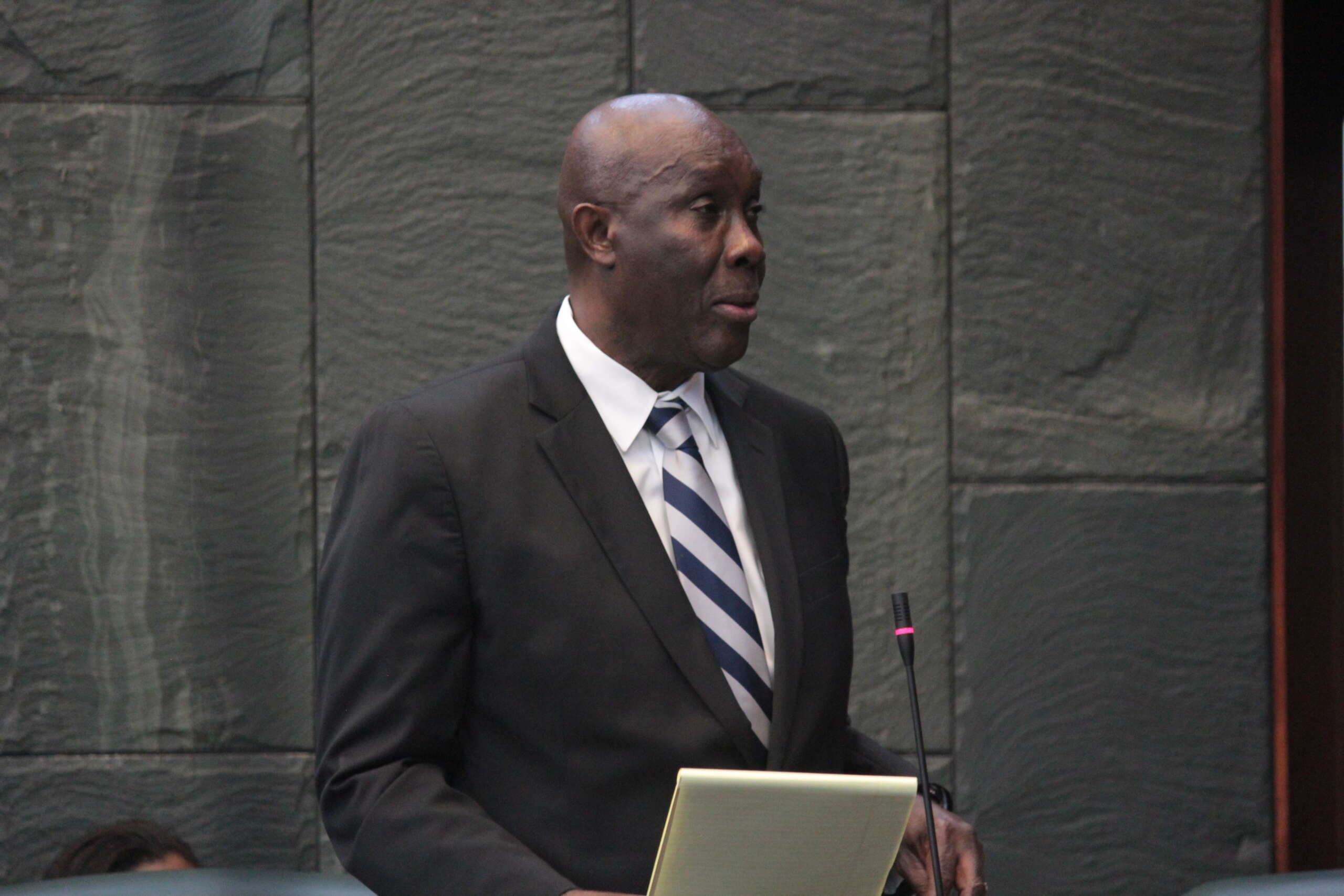
Meanwhile, it is important to consider the constitutional right to privacy and client confidentiality, Bulgin said.
Chris Saunders, MP for Bodden Town West, said financial services are the “bread and butter” of the Cayman Islands and not something to play politics with.
“We do recognise the challenges that we do have within the financial services industry, and like many other people they are concerned about the balance and privacy with it,” he said.
He asked if only the United Kingdom will require beneficial ownership information, as, he said, it seemed to state in the bill, and added it was important to have “balanced privacy”.
The sole member speaking against the bill, McKeeva Bush, MP for West Bay West, then gave an hour-long speech that went on several tangents.
He said he had been against beneficial ownership transparency for a long time, and that the goalposts had been moved.
Bush said his suspicions about the European Union and “certain bad actors” in the United Kingdom have been “proved correct, beyond doubt”.
He called the sentiments behind the bill an “unnecessary bureaucratic regime”.
“There are those in London and Brussels who would have us as no more than seafarers – obedient and without the benefits of the success of our financial services industry,” he said.
The bill passed with amendments.
The following additional legislation also passed:
- Banks and Trust Companies (Amendment) Bill, 2023
- Companies (Amendment) Bill, 2023
- Companies Management (Amendment) (No. 2), Bill, 2023
- Foundation Companies (Amendment) Bill, 2023
- Insurance (Amendment) (No. 2) Bill, 2023
- Limited Liability Companies (Amendment) Bill, 2023
- Limited Liability Partnership (Amendment) Bill, 2023
- Mutual Funds (Amendment) Bill, 2023
- Virtual Asset (Service Providers) (Amendment) (No. 2) Bill, 2023
- National Pensions (Amendment) Bill, 2023
Related Videos