

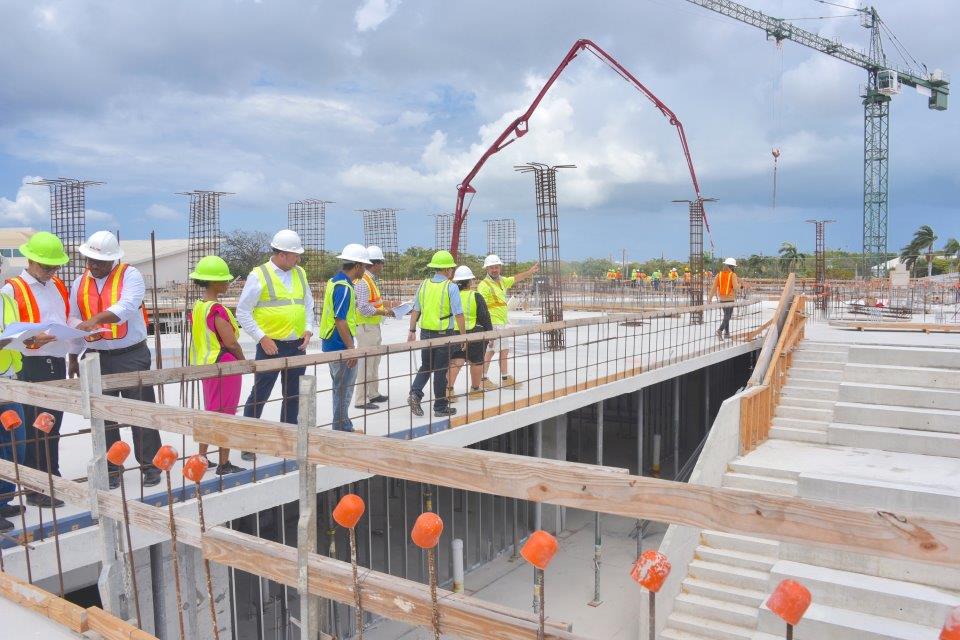
Government announced $150 million in new borrowing and a package of tax and fee increases to help fund a glut of projects including two new high schools in Cayman Brac and West Bay and an Olympic-size swimming pool in George Town.
New revenue measures – to include an increase in stamp duty for ‘high end’ property in certain areas – were revealed Friday by Premier and Finance Minister Juliana O’Connor-Connolly as she laid out the government’s spending and policy plans for the next two years.
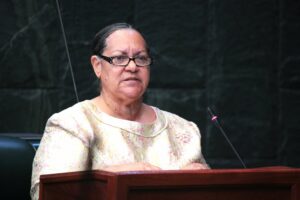
The new United People’s Movement expects to spend more than $2 billion in 2024 and 2025 on core government expenses, more than half of that on personnel costs. The government aims to rake in around $130 million in income from new revenue measures over that time, with the premier insisting those fee increases won’t impact “the little man”.
Policy priorities for the government will also include “sensible immigration reform”, according to the premier, who pledged to end the “automatic pathway to citizenship” for workers from overseas.
Massive school building programme
The new debt will be reserved for capital projects, principally a massive school building programme, that will also include new classrooms at the Lighthouse School and the second and third phases of the redevelopment of the John Gray High School and Cayman Islands Further Education Centre campuses.
O’Connor-Connolly, also the education minister, promised to plough more funds from general revenues into pay increases for school staff and to continue to fund increased support for special education needs.
In a nod to critics of the anticipated expense of building a new school on the Brac to cater to around 200 students, she insisted this was just one part of a nationwide investment in school infrastructure.
A new high school in West Bay, which West Bay West MP McKeeva Bush has pushed for, is also part of the spending plan.
Over the last decade, government has completed two new high schools – Clifton Hunter High in North Side and John Gray High in George Town – at a total cost of around $300 million. Neither school is at capacity.
O’Connor-Connolly made no apologies, however, for committing extensive additional funds to school buildings.
“The question is often asked, ‘who are we developing for?'” she said
“In order to break the [glass] ceilings we have to do it for education. After this minister has left the stage, no-one should ask who we were developing for.
“We were building state-of-the-art facilities for our first class citizens – not known as ghost Caymanians – but our belongers and our Caymanians in this island we call home.”

As well as the school building programme, plans are progressing for an Olympic-sized swimming pool on the site of the current Lions pool adjacent to the Truman Bodden Sports Complex.
Citing the success of Cayman’s swimmers overseas, which include world indoor champ Jordan Crooks and Special Olympics gold medalist Kanza Bodden, she said, it was “high time” to invest in the new aquatic centre. She didn’t give specifics on total costs or timeline for that project, however.
Major capital spending
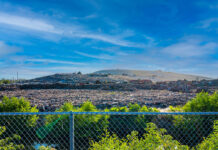
Among the other key spending commitments was $2m towards a tourism attraction and restaurant that could serve as a training school for Caymanians and continued work on a new prison. There was no mention of the ReGen waste management project, which is still being negotiated, as a solution to the landfill challenge and is expected to add significantly to government expenses from 2026.
The spending plan includes, over two years:
$65.8m – Expansion of education facilities
$28.6m – Expansion and maintenance of the road network
$20.4m – Central Scranton Park project and upgrades to other parks and jetties
$11.6m – Towards improvements to prison facilities
$7.6m – Land acquisition for farming and conservation
$10m – From the Environmental Protection Fund to buy land for recreation or conservation, including beaches
Buying back Barkers?
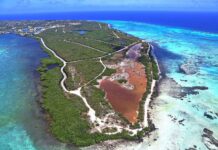
Meanwhile, the premier announced government’s hopes to increase its land holding on the Barkers peninsula, the majority of which is owned by the Dart group, as part of a continuing programme of buying up land for environmental and recreational use.
“It is the deep desire and aspiration of this government that the people of the Cayman Islands will once again be the owners and beneficiaries of Barkers property,” she said.
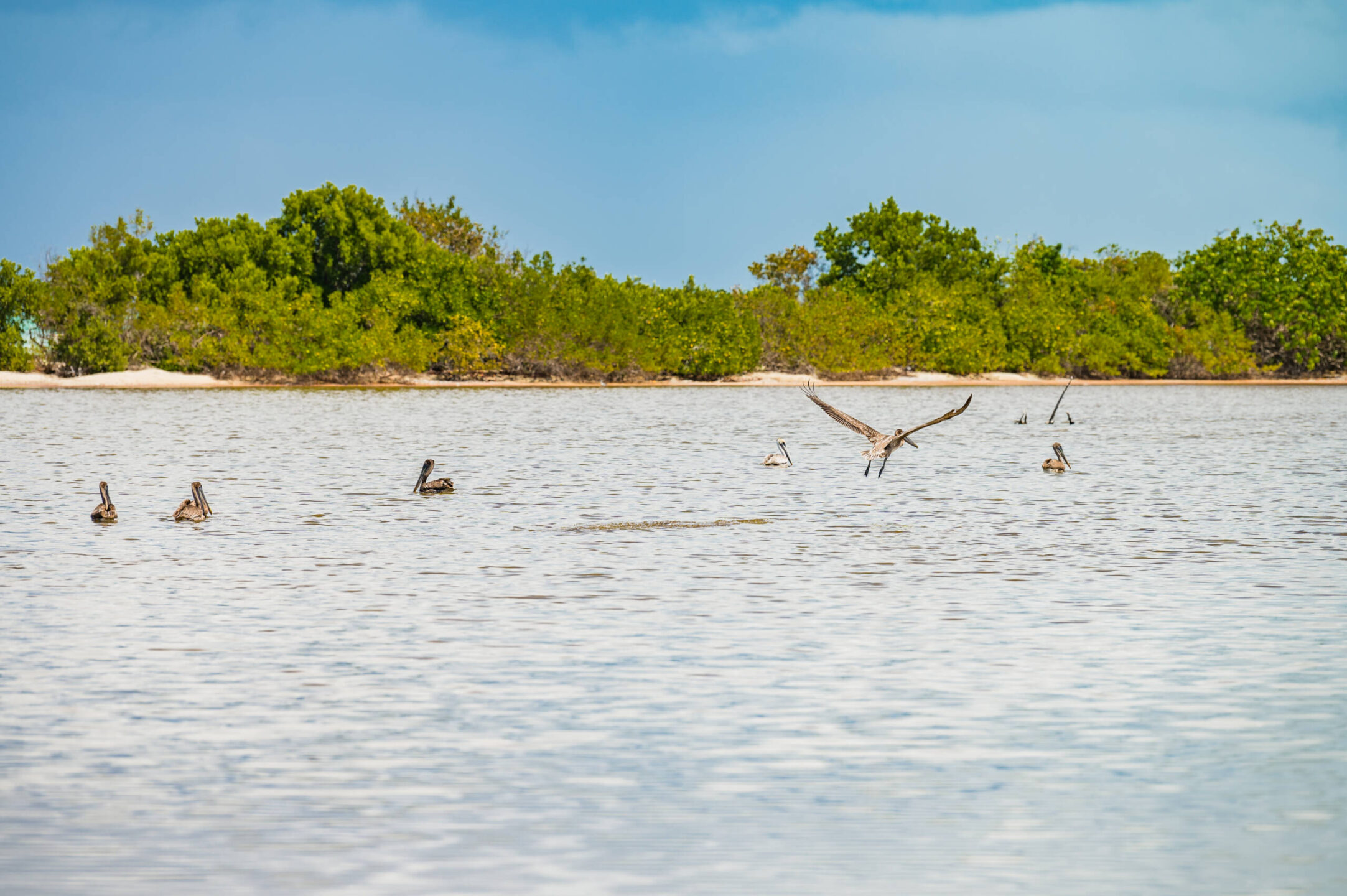
Government currently owns around one third to one half of the peninsula while the Dart group owns the majority of the rest of the land. It is currently all open to the public, though much of the coastal land is zoned for tourism or residential development.
O’Connor-Connolly indicated government hoped to negotiate with the land owner, who she didn’t name, to acquire more of the area.
“Unless you aim big, you should not aim at all. We are aiming at Barkers for the people of Cayman.”
Stamp duty increase
Several new fees including increased immigration fees and stamp duty for high end homes – were also announced to help fund government’s increased expenditure.
O’Connor-Connolly said the step of introducing new revenue measures had not been taken lightly and efforts had been made to protect “the little man already suffering from the high cost of living”.
An increase to the stamp duty rate in “high end geographical areas” in Grand Cayman was being considered, she said. The rate was not announced or the parameters of that proposed increase, which would likely require legislation to implement.
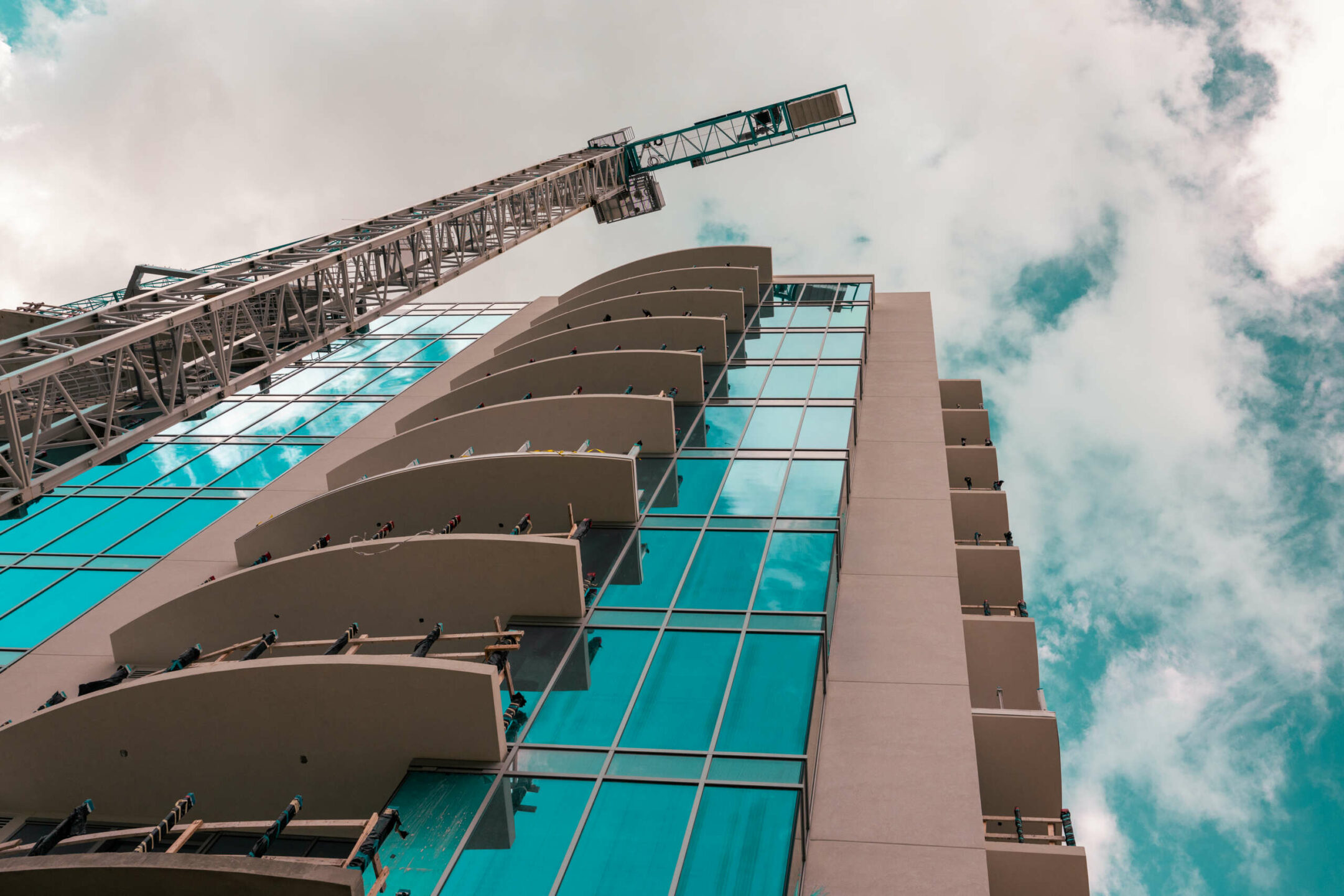
She also announced increases in work permit application fees, immigration-related visas and extensions, and administrative and regulatory fees charged by the General Registry, Cayman Islands Monetary Authority and the Department of Commerce and Investment, among others.
Duty and tax increases on higher value electric vehicles are also planned.
Collectively those measures are expected to yield an additional $132m for government’s coffers over the next two years.
“The revenue generated through these new measures play a vital role in funding crucial public services including healthcare and education,” the premier said.
She added that the borrowing – in addition to the $390m credit line drawn down in the last budget cycle – was necessary to fund infrastructure as government continued its post COVID recovery.
The budget, as forecast, keeps government within the framework for fiscal responsibility – the set of guidelines designed to ensure financial stability.
Related Videos









The government should allocate funds to develop programmes to occupy the youth, particularly young men who are increasingly turning to drugs and crime because of little hope and inadequate education. Infrastructure is important, but content, what is learned, is more important. Carving out several community sports facilities and paying coaches to be on site to guide and train youths would yield more for the society that the Olympic sized pool which will only benefit a few. The energy of youth needs to be directed, and the attitudes of youth are conditioned socially. This is where intervention is sorely needed.
YES! when we have a civil service that is understaffed and they have all these expats running these departments. How we have people not being trained for these positions. And while on that subject, we need a Civil service that is held as accountable as the elected officials. We need an aligned government that recognizes it works for the people, not the other way round.
Raise taxes to buy land from Dart?
Raise taxes on Grand Cayman to build a high school in Brac.
No plan for the dump. Do nothing about major problems on Grand Cayman.
Higher tax on electric vehicles that don’t pollute.
All while flying to Barbados completely empty with no tourists onboard.
So many pet projects needed to hold this government together.
This Government is not reflective of Cayman. Elected Officials only seem to care about their constituents. What about everyone else you are elected to serve? What is Government doing to improve the service to the people that elected them.