

With little fanfare and limited publicity, government has spent almost $30 million in the past two years to buy almost 50 pieces of land as part of a plan to create new public parks and beaches.
Projects in the works include a new ‘Central Park’ in Scranton; a community park in Prospect at the site of the hurricane-ravaged Mariner’s Cove property, bought for $2.7 million in February; and a new public beach at Pease Bay in Bodden Town.
Other significant purchases include several seafront plots in North Side, including one bought for $2.1 million, and a large plot on the Bluff on Cayman Brac for $3.8 million.
Government has also moved to buy up land for schools, housing and conservation as part of an island-wide strategy. Another $10 million has been earmarked for more purchases this year.
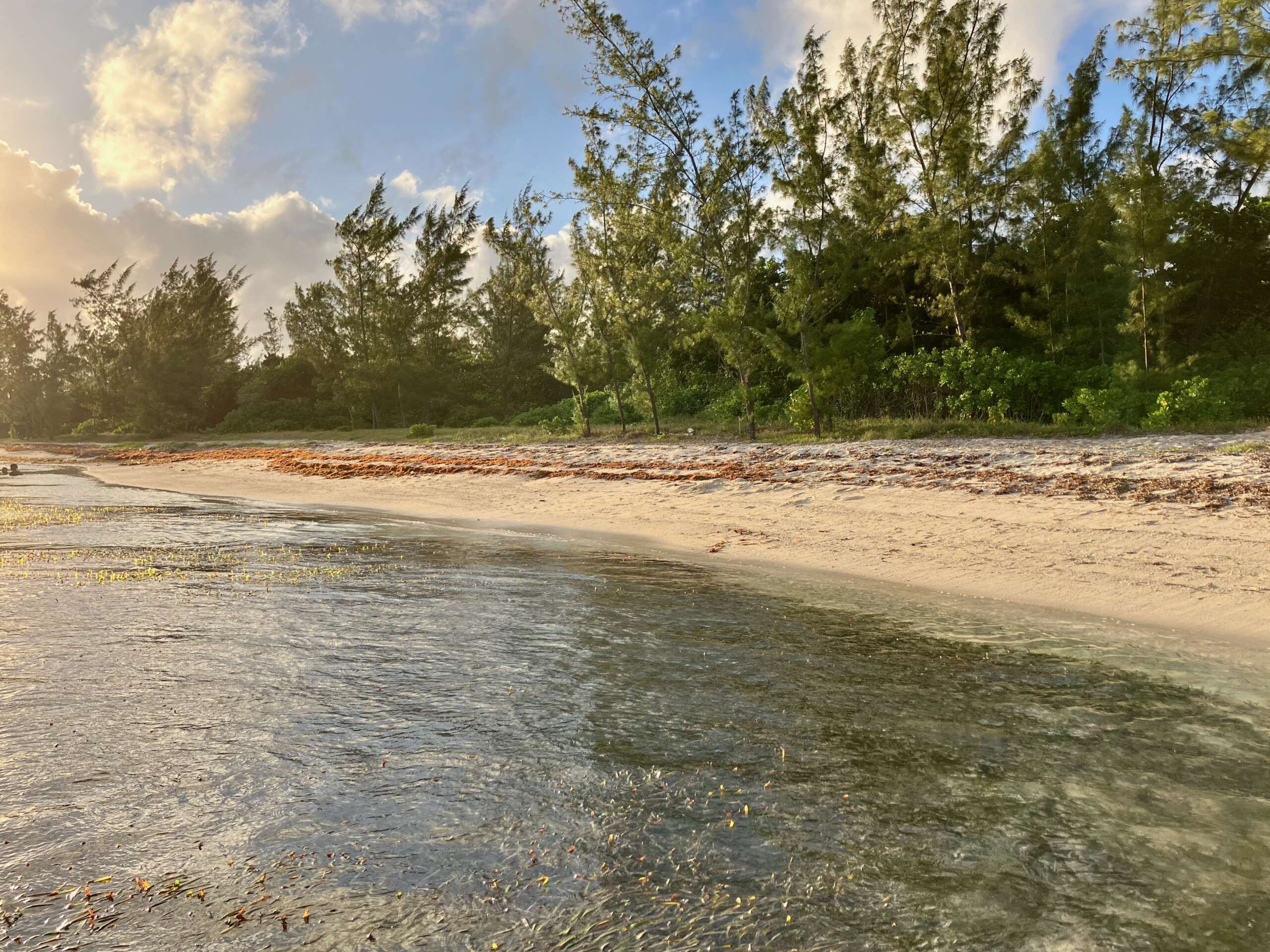
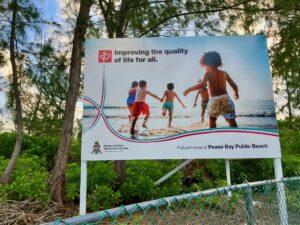
The Pease Bay project is among the most advanced of the waterfront parks currently on the table. Work to landscape the site and create a parking lot, vendor village and volleyball court is expected to be completed by the end of this year.
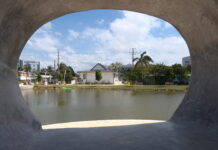
A billboard outlining the plans had been unveiled at the site, currently covered in casuarina trees beside a sandy beach fronting an extremely shallow lagoon covered in seagrass (pictured above).
Wilbur Welcome, the chief officer in the Ministry of Lands, insisted the plan does not involve any excavation of the shoreline to make it more suitable for swimming.
While the broad project of buying land for public use has wide support, there are some concerns surrounding more commercial elements of the Pease Bay project, including space for vendors and tour buses, with campaign group Sustainable Cayman urging government to focus on preserving land for future generations rather than utilising it for tourism.
In emailed responses to questions from the Compass, Welcome said government was seeking to offer a variety of options at public parks and beaches, and insisted that many of the parcels acquired would be left in their natural state.
He said the Pease Bay project was one of a number of land purchases aimed at creating new spaces for recreation and conservation.
Welcome said all of the land purchases should be viewed with “great hope, potential and optimism” by the people of Cayman.
He said all of the land acquisitions would, in different ways, “play a vital role in returning to the people of these islands, lands that they can use in various ways to enhance their lives”.
There has been very little publicity around what appears to be a major policy push from the government over the past two years to buy land for recreation, housing, schools and, in some cases, for conservation.
Premier: ‘We are buying for future generations’
Premier Juliana O’Connor-Connolly did reference the policy when she appeared alongside Welcome on government radio on Friday – after the Compass submitted questions on the issue.
She said government had been “quietly yet legally” acquiring land both for current projects and for future use. The premier, who took over the helm of the country in November but had been minister for district administration and lands for some time, said she was concerned that there would be nothing left for future generations if government did not buy and preserve land.
“While I am here I am going to purchase all that money will avail itself to,” she said, adding that the “Lord makes no mistakes when he makes you minister of finance”.
O’Connor-Connolly, who is now premier, lands minister, education minister and finance minister, added, “We will not spend it foolishly but at the end of the day they will know who we are developing for – Caymanians.”
Government has bought 48 land parcels
A list of government purchases provided to the Compass on request shows that government has bought a total of 48 properties since January 2022 for a total price of $27.4 million. A further 17 small lots – already protected from development as ‘lands for public purpose’ – were transferred to the Crown for free by landowners, strata or developers.
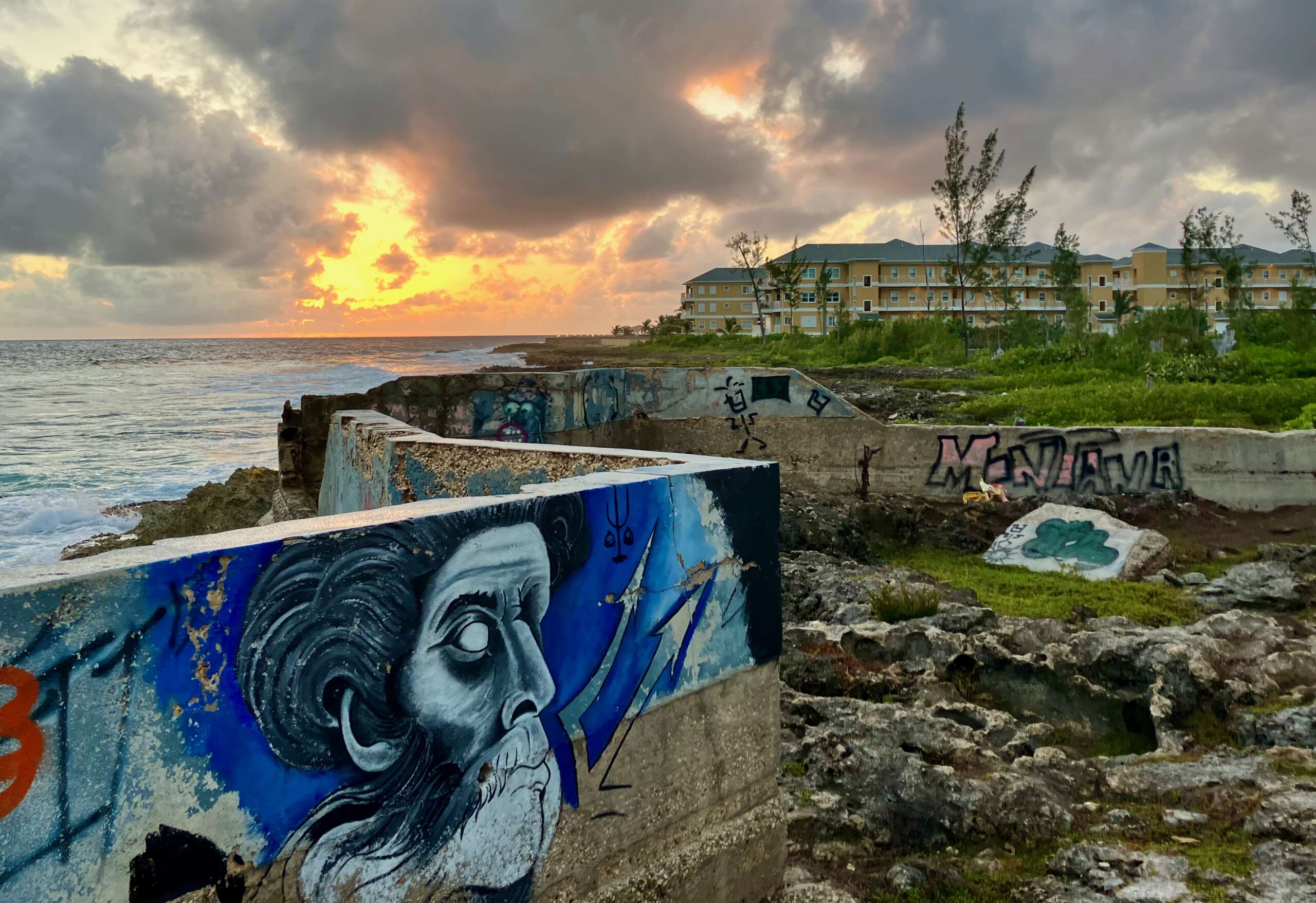
The purchases have focused heavily on East End, North Side and the Sister Islands, as well as a few key parcels in George Town.
The majority of the land purchases – 37 out of 48 – were ‘general land acquisitions’ while 11 of the overall total were bought for conservation purposes.
Welcome said some of the most significant purchases included:
- The acquisition of multiple ‘Central Park’ properties to provide for a large green space in the centre of George Town;
- A large parcel in East End to help expand the Salina Reserve;
- Land on the Bluff on Cayman Brac close to the lighthouse and Peter’s Cave;
- Multiple parcels of land adjacent to existing schools to help facilitate future expansion.
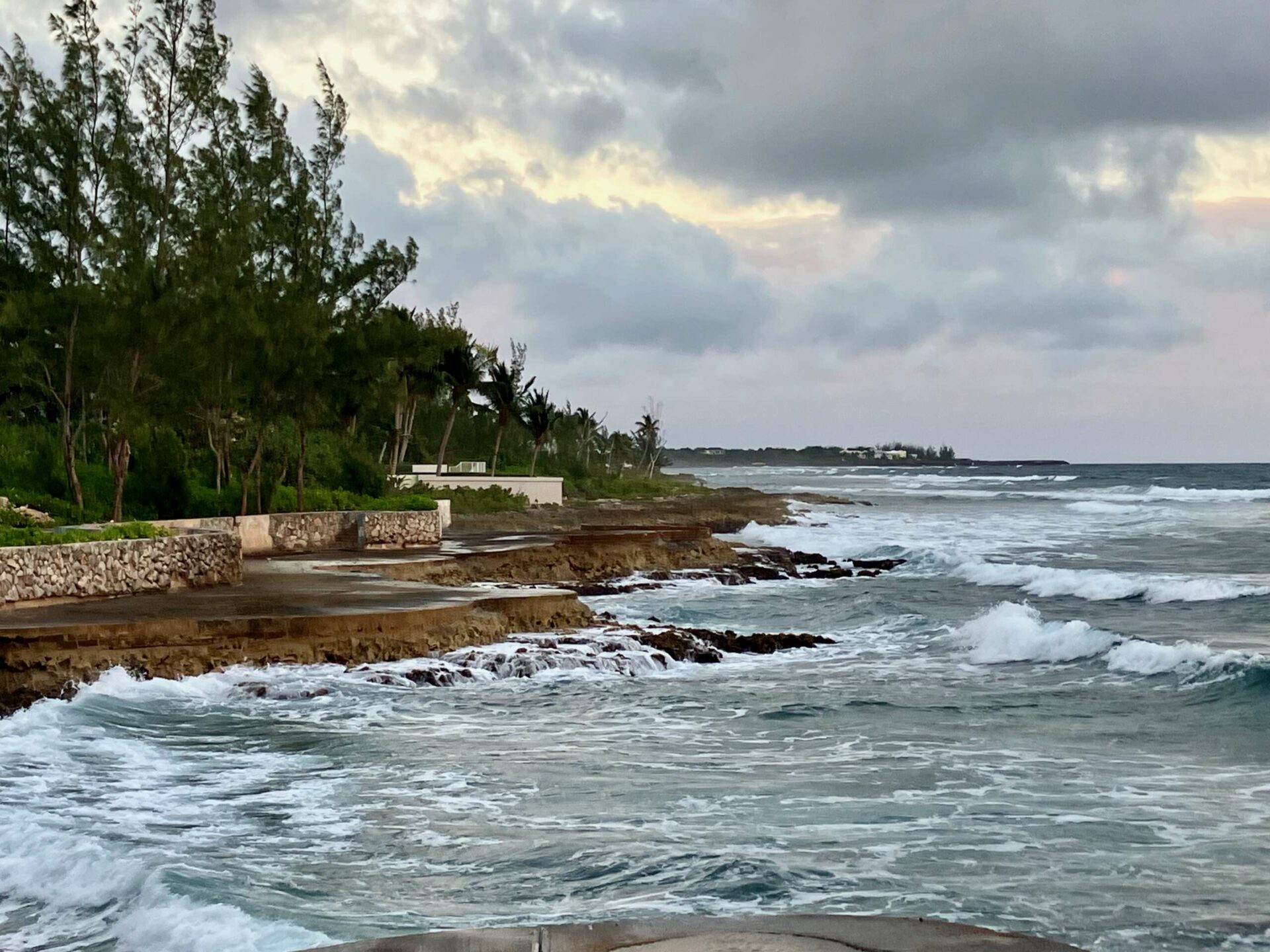
One of the core elements of the project is acquiring beach and waterfront lands to ensure easy access to the ocean for current and future generations.
While some of those properties will be developed into parks, with amenities including restrooms, others will remain in “their natural state”, said Welcome, with the aim to provide a variety of experiences for visitors and residents.
He said there was a budget for the Pease Bay project this year, while others, including the Mariner’s Cove site, were still in the planning phase.
The premier indicated in Friday’s radio appearance that the policy would continue, and Welcome indicated that more purchases for conservation purposes are expected following consultation with the National Conservation Council over recommended parcels. He said government was also focusing on acquiring land around major intersections for “future CIG needs”.
Speaking on Radio Cayman, Welcome also spoke about a piece of land acquired on Cayman Brac with a view to creating temporary housing for construction workers on a number of upcoming major projects on the island, including a new high school. He said the building would provide a “legacy asset” for sports tourism and other uses.
The general policy of buying land for recreational spaces and conservation areas has broad support.
Conservation and recreation versus exploitation
However, there are some concerns about the specifics of some of the projects.
In an email to the Compass, the Sustainable Cayman ambassadors offered support for the policy of buying beachfront land for recreation and conservation. But the group is less thrilled about plans for commercial activity on beaches.
On the Pease Bay project, the group took issue with “environmentally disruptive developmental elements”, including a decorative stone turtle, a parking lot designed to accommodate tour buses and food vendor trucks, a volleyball court and multiple gazebos.
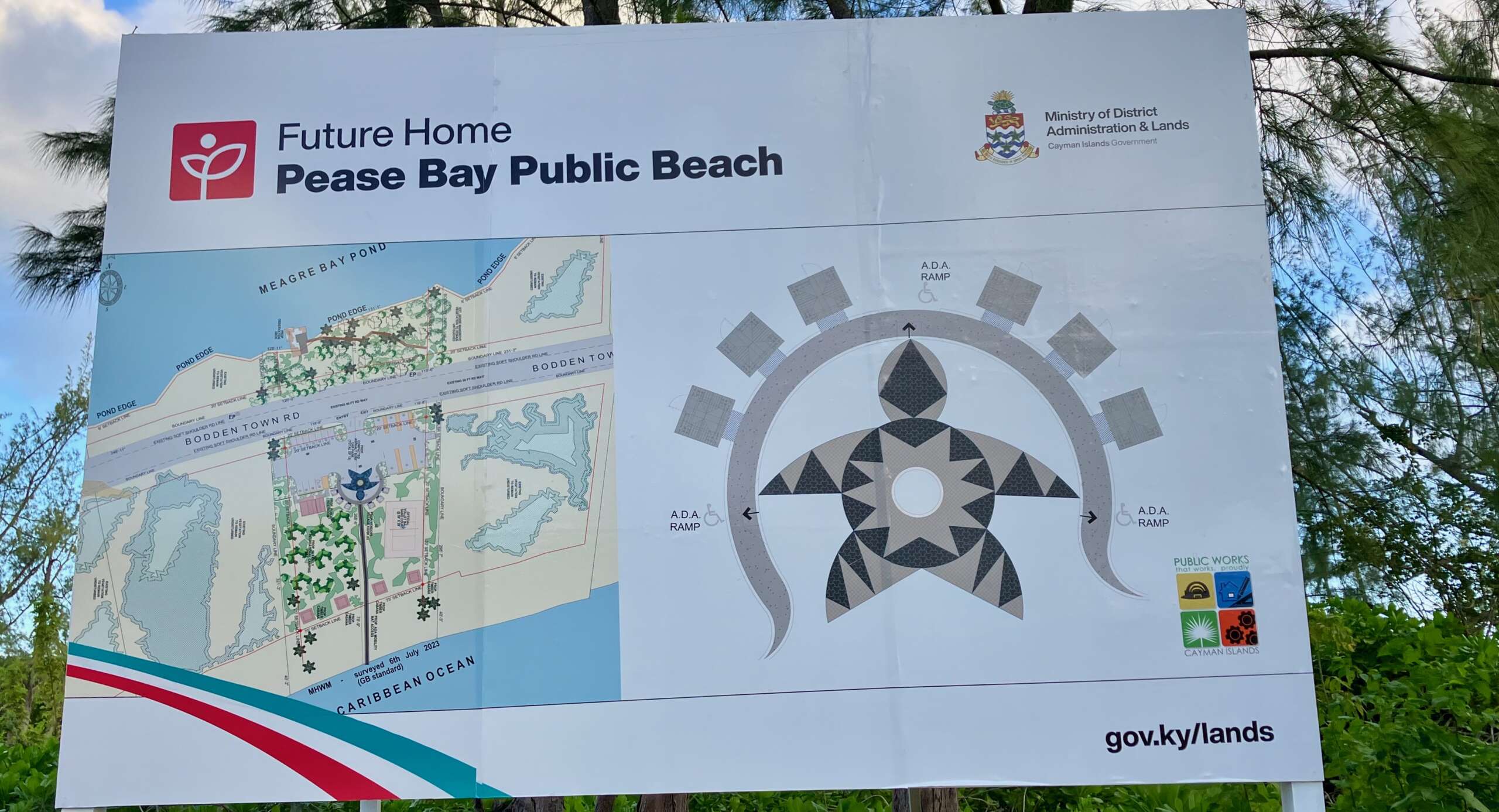
“We can’t help but wonder, was this area designed for the people of Cayman and Bodden Town, or a commercial hub for cruise ship and stayover tourists?”
The group says it supports lighter development like restrooms, picnic tables and infrastructure to support camping, but would like to see the focus remain on conservation and recreation over potential commercial use for tourism.
“We believe that such land and ecosystems of value should remain as space for the people of Cayman in current and future generations to come, and that there is a need for public engagement so that the intentions are clear concerning the acquisition of beach property for the community.”
Related Videos







I’d sooner that the best public beach in West Bay had not be given over to cruise ship visitors and higglers.