

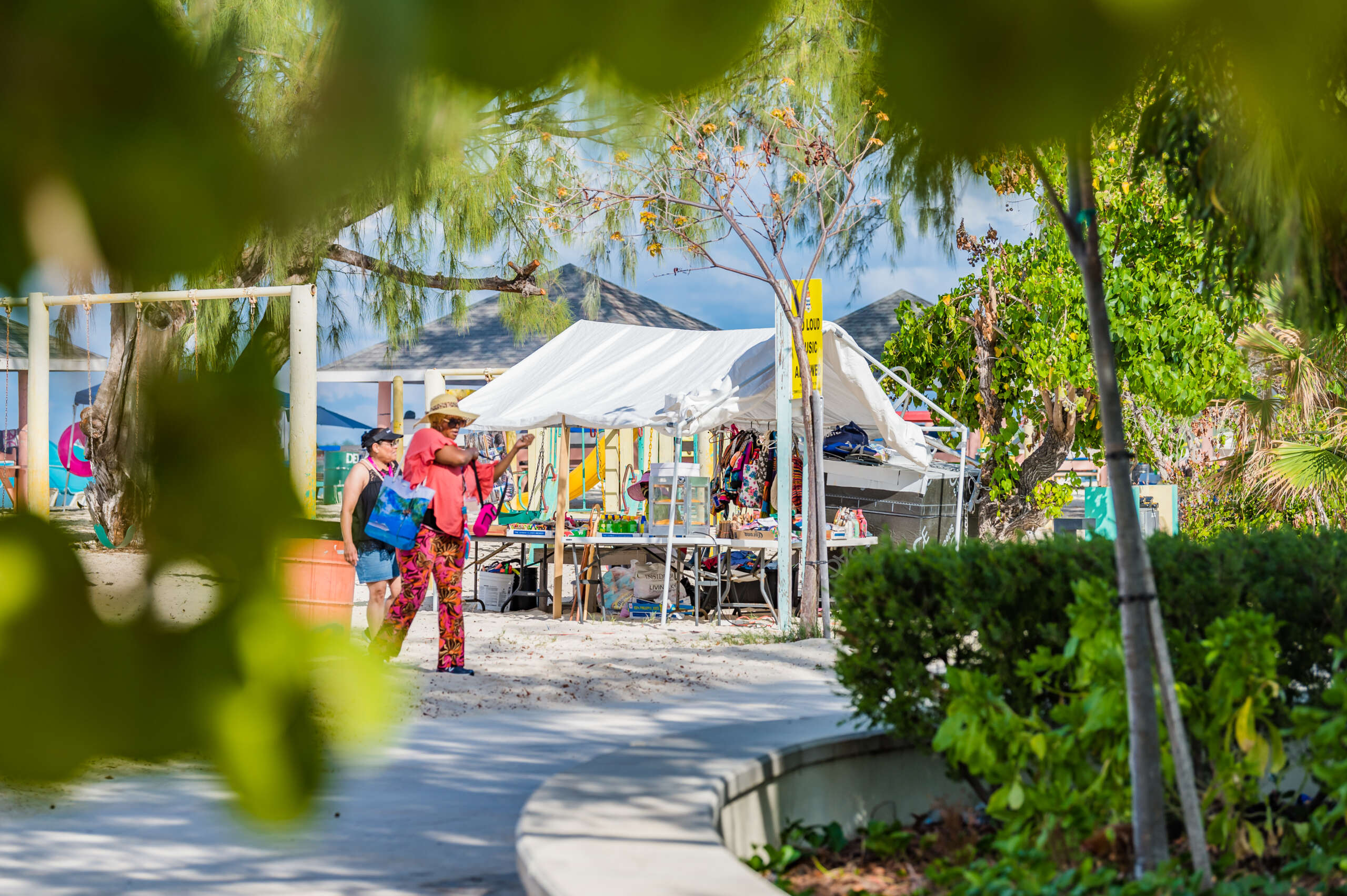
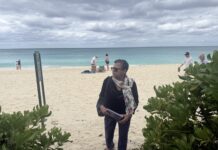
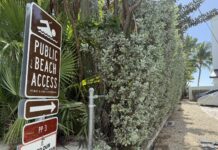
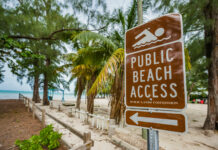
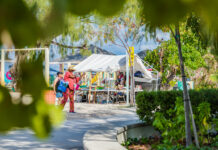
Only 34 out of more than 120 applicants have been granted permits to sell goods or services at Seven Mile Public Beach Park – and those without have been ordered to leave.
The permits have been a long time coming for many business owners who have battled with authorities for years over the legality of working at the popular stretch of beach.
But strict new restrictions detailed in the Seven Mile Public Beach Park Vendor Policy limit how, when and where they can work.
Meanwhile, those who did not make the cut for the limited spaces or did not apply were sent cease and desist letters to leave the site within 30 days, before 14 Feb.
A press release from the Lands Ministry said police, the Public Lands Commission and other enforcement agencies will work together to enforce regulations.
The penalty for conviction of a first offence of carrying on a commercial activity on public land without a permit is a fine of $5,000 or prison for six months, or both.
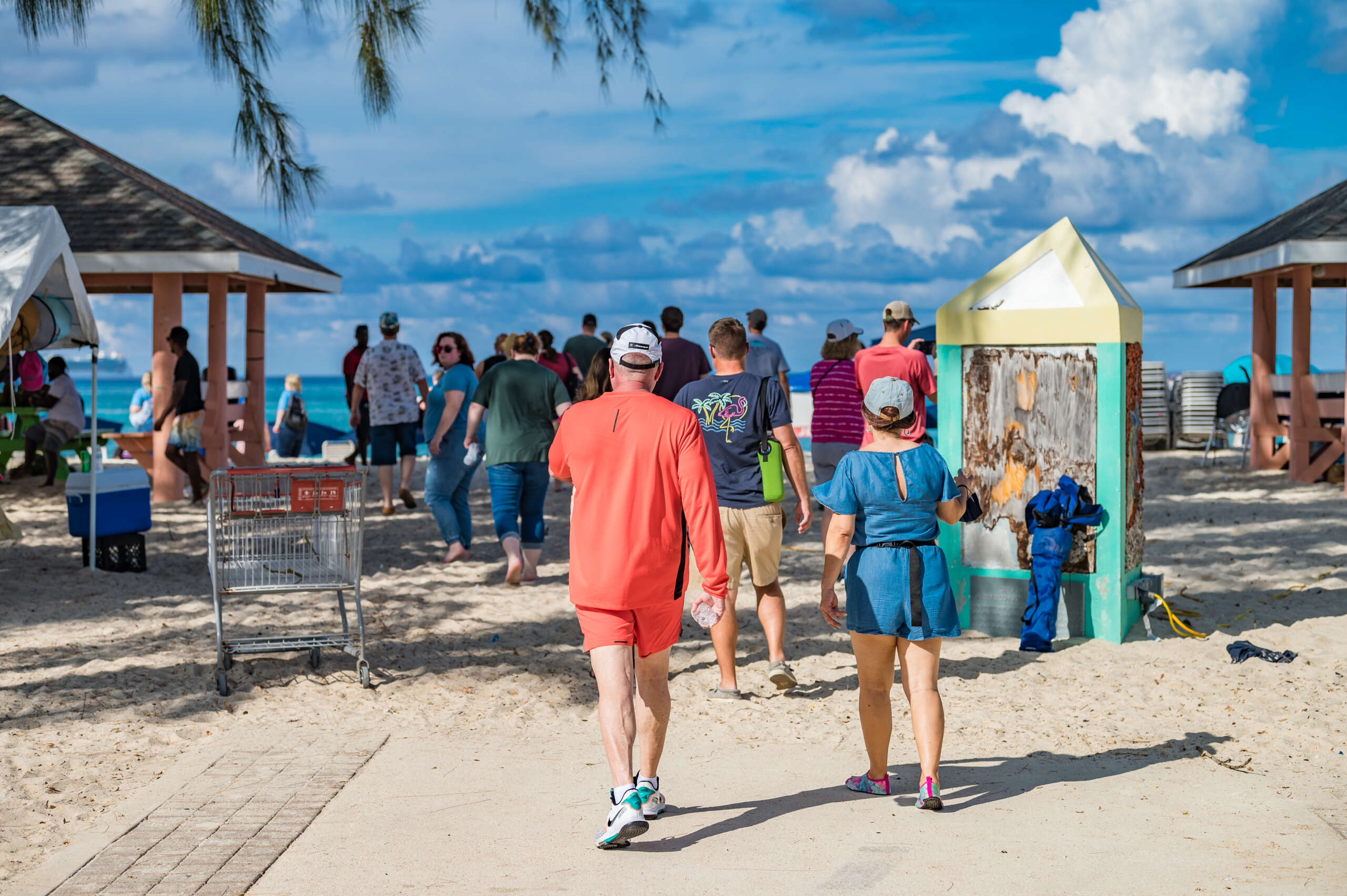
The strict action is in response to “various complaints and occurrences of illegal activity” at the beach park including issues related to vendors, the ministry said.
Wilbur Welcome, acting chief officer at the Ministry of Lands, told the Compass the Public Lands Inspectorate can now enact measures in the Public Lands Act and Regulations.
“While we understand the desire for persons to vend we must balance this with the CIG policy and the wider public’s request for public beaches to be vending free,” he said.
The commission plans to upload the list of the approved vendors to its website “in due course”, the release added.
No information
The Lands Ministry said the permits and letters had been issued on Monday, 15 Jan.
However, one applicant, who chose to remain anonymous, told the Compass on Tuesday they had not yet received any indication of whether or not they had been granted a permit.
“The information that the government sent was not accurate,” they said. “I’ve been checking my emails nonstop – nothing has appeared.”
They continued: “I went down to the Public Lands Commission this morning, and I was told that they’re closed because they’re busy, that they’re in the process of issuing permits, and I can look out for an email from them anytime soon.”
The vendor said they applied for a permit, even before the new policy was approved, and updated it as required.
“It’s been since January last year, so over a year now, we’ve been waiting on this permission.”
They added that an investor partner has pulled out because of the delay, leading to a large loss of funding in the business.
A year later
In March 2023, the Public Lands Commission issued 17 traders with cease-and-desist notices during an enforcement operation aimed at ridding the beach of illegal vendors.
This was not followed up with any arrests and left sellers confused as to how they could operate legally at the beach, which is frequented by cruise ship tourists.
Tourism Minister Kenneth Bryan told the Compass in April that a policy was in the works, saying it would allow traders to “know what their future’s going to be”.
In April 2023, Cabinet approved the Seven Mile Public Beach Park Vendor Policy – an operational guide for the commission to process permit applications and manage the area.
Caymanian vendors that had been operating from Seven Mile Public Beach for over a decade told the Compass at the time that they welcomed the new policy.
But they said permits must actually be awarded and the policy enforced to allow those operating legally to continue unhindered, and others to be removed from the beach.
The commission’s then chairman, Woody DaCosta, in a press release at the time, said the ultimate goal of the policy was to give the public access to the organised provision of food, drinks and other services.
It clearly defined the role of a vendor, he said, along with parameters which “strike a balance” between their interest and the good of the general public.
To apply for the permit, sellers have to pay an initial fee of $100 and then $75 per year. Additional annual fees include $250 per boat, $50 per jet ski and $250 for floating devices.
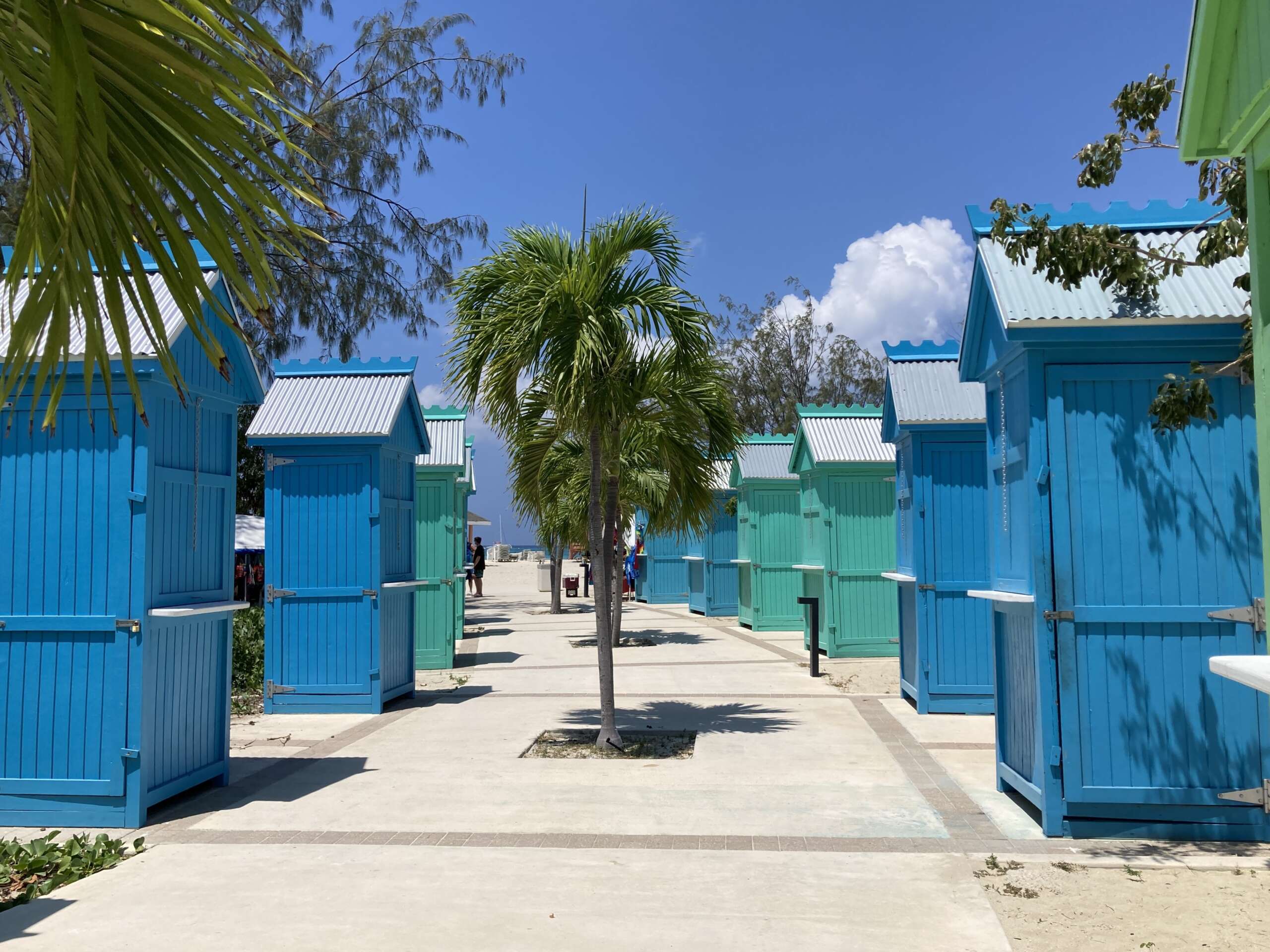
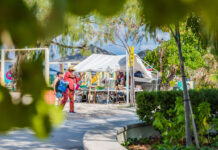
The new rules state sellers will be restricted to operating from the blue-and-green vendor kiosks, where electricity will be provided.
Only food-and-beverage stalls and trucks, local produce sellers, and water-sports and beach-gear assistants will be allowed to operate outside the kiosks.
Vendors will not be permitted to operate at weekends and on public holidays.
In addition, the sale of alcohol is prohibited. However, the commission may issue occasional permits at the site allowing vendors to sell alcohol at their discretion, the policy says.
In September, ice-shaving business Sno Patrol was the first vendor at Seven Mile Public Beach to apply to the Liquor Licensing Board to sell alcohol.
The company was granted a licence and will now also need permission from the commission.
Related Videos







There are only 10 tiny huts but 34 licenses. Where will the rest of them operate from? Assuming that any of them actually operate from these huts.
So sad to see the best public beach in Grand Cayman given over to higglers and cruise ship visitors, who leave trash on our beach.