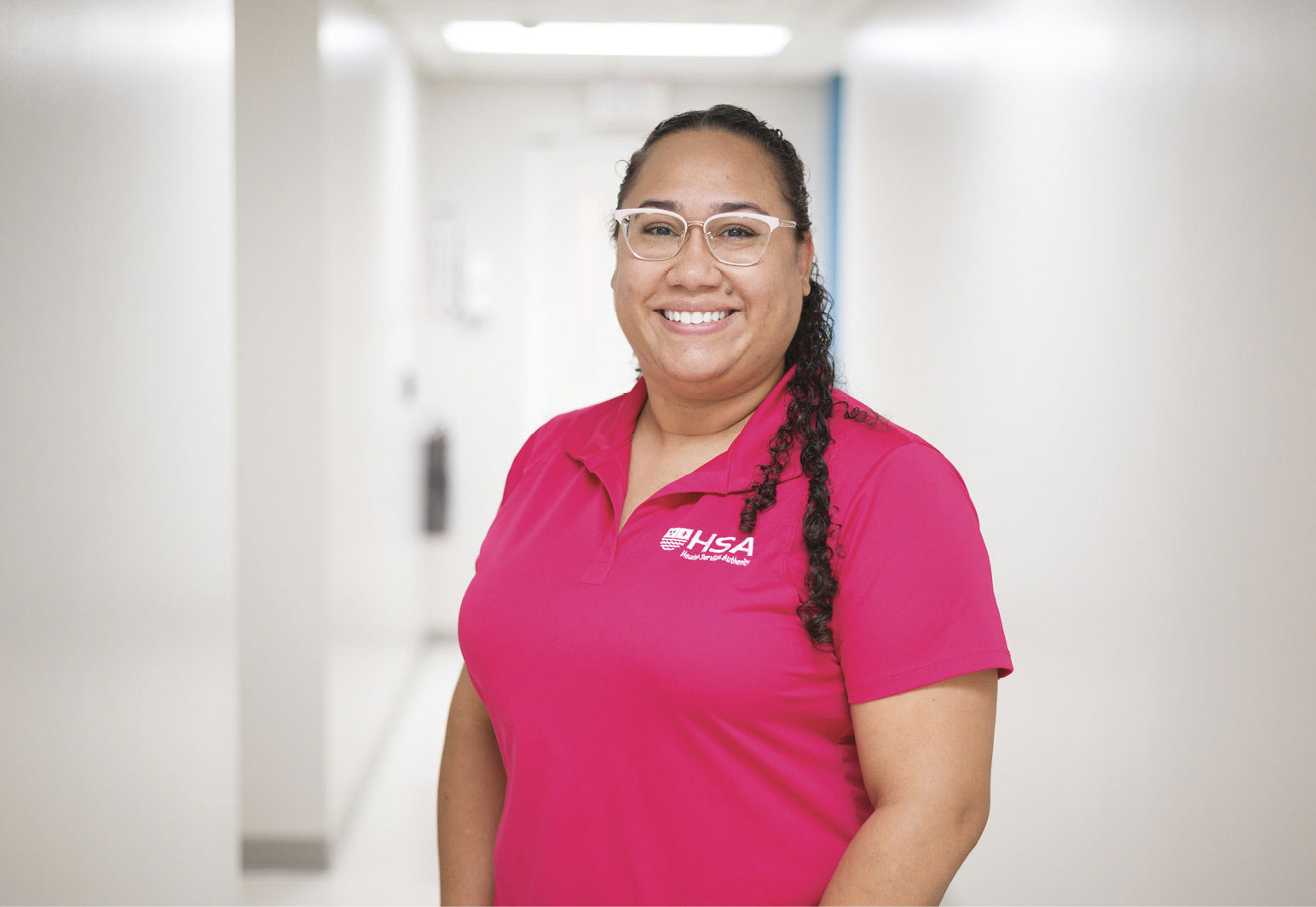
As a healthcare worker, disability advocate and a mother, Faith Rochez (née Gealey), has long been an inspiration to those around her.
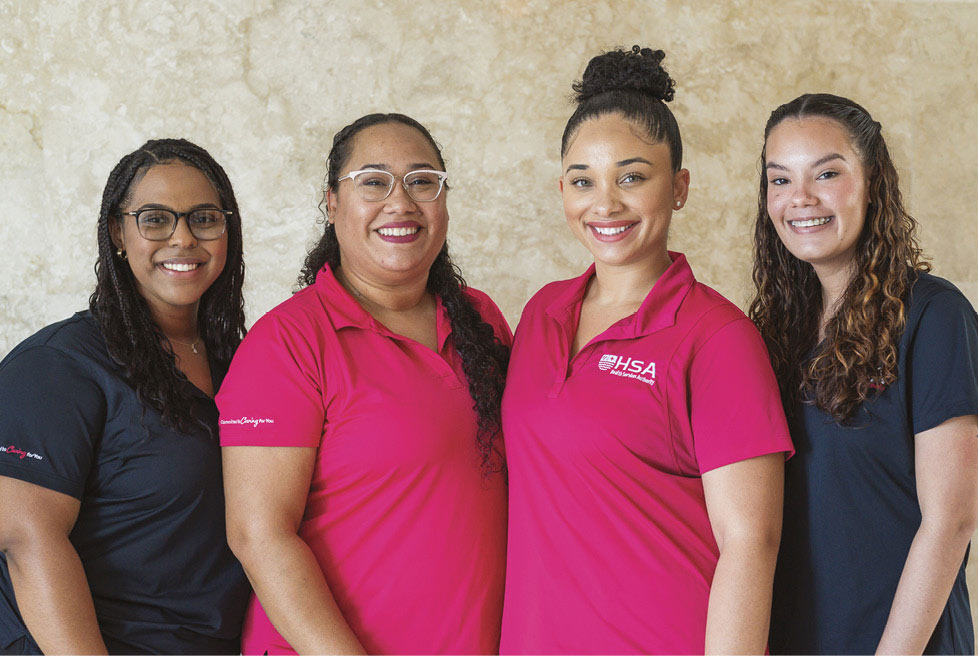
She is a senior speech and language therapist with the Health Services Authority, leading the speech and occupational therapies team, which expanded recently.
She is also passionate about speaking up for people with disabilities in the community, all while balancing her work and home life, including caring for her 11-year-old daughter Alyssa.
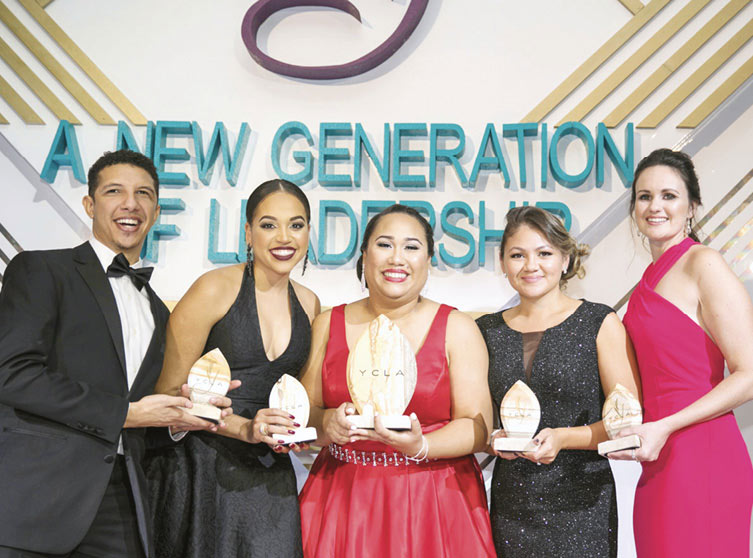
In 2017, Faith won the Young Caymanian Leadership Award, honoured for her positive contributions to society, including serving with several charities on-island. But, as both her parents were deaf, she had known from an early age that she wanted to help others with communication issues.
By the age of 14, she had already decided to pursue a career in speech pathology.
“Unfortunately, many people with communication differences live in a society that misjudges them due to the communication breakdowns they experience daily,” she says. “I wanted to pursue a career that would have a meaningful impact on the most vulnerable people within my community and help the voiceless regain their voice.”
FAMILY ADVOCATES
In fact, Faith is a third-generation disability advocate, following in the footsteps of her grandparents and mother.
Her grandfather, Harwell “Harry” McCoy, was a huge advocate for accessibility within the islands.
“He and my grandmother, Mrs. Theoline McCoy (née Conolly), were one of the first people on island to advocate for the education of children with disabilities,” she recalls. “When they sent my mother Cheryl McCoy-Gealey to boarding school in Jamaica, they were ridiculed for ‘wasting hard-earned money’ to educate their deaf daughter.”
Later, Faith’s grandparents went on to advocate for her mother’s inclusion in Cayman Islands High School. Her grandfather also pressed for ‘blue spot’ parking for people with physical disabilities, all while having mobility issues himself due to a spinal injury.
“My mother quietly championed her own independence by becoming the first deaf person to work for Cayman Islands Government, the first deaf person to vote in a national election and also was the first deaf person to obtain a driving licence within the Cayman Islands,” says Faith. “She refused to let societal barriers prevent her from living a full and inclusive life.”
Over the past couple of decades, the mantle of disability advocacy has fallen to Faith. “I’ve done my best over the years to help educate our community on inclusion,” she says. “I also work closely with patients and their families to empower them on their own journeys and help them advocate for themselves more confidently.”
And Faith’s role at HSA, where she has worked since 2008, perfectly combines her childhood background, compassion, and mission to help others.
CHILDHOOD INFLUENCES
“I believe that my experience being a child of deaf adults helped me to understand from a very young age that communication takes many shapes and forms,” she says. “Growing up between the hearing and deaf worlds help me be more sensitised to people who required additional communication support – especially seeing the difficulties my mother experienced with accessibility and inclusion across multiple facets of life.
“As I matured and did my own research, I felt like speech therapy was a field that would allow me to utilise my talents in a way that would continually give back to the community.”
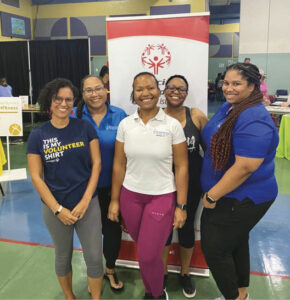
Faith also serves on the National Disabilities Council and volunteers, when needed, for Special Olympics Cayman Islands. Mentorship is another aspect about which she feels strongly, especially in the field of speech and language therapy in the Cayman Islands.
CULTURAL CONSIDERATIONS
“We are now seeing more research emerging about the importance of culturally responsive care, and as a Caymanian speech and language therapist, I have been able to bring so much knowledge and history into the culturally responsive element of the care that we provide,” she says.
For example, Faith has developed checklists of common articulation and grammatical differences noted in the Caymanian dialect, including differences that are district-specific. This ensures that when assessing a child who has a Caymanian cultural background, her team can differentiate if it’s a dialectal concern or a true language disorder.
HEAVY CAKES
She has also developed cultural food recommendations for dysphagia diets, in which food is specially prepared for people with swallowing disorders.
“You can’t imagine how relieved my patients are when they find out that heavy cakes are on the menu even if they are on a dysphagia diet,” she says.
Faith has also taken time to learn about a variety of cultures, their norms, their diets, and the way that their languages (if different from English) may impact language presentation.
“I want to ensure that I do my part to train and equip the next generations of Caymanian speech and language therapists so that we can build on the model of culturally responsive care that is being so successfully implemented within the HSA,” she says.
“Many people with communication differences live in a society that misjudges them due to the communication breakdowns they experience daily.”
– Faith Rochez
This article originally appeared in Compass Media’s CayWoman newspaper supplement.
Related Videos