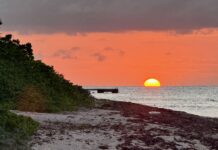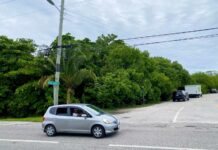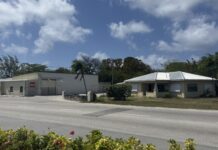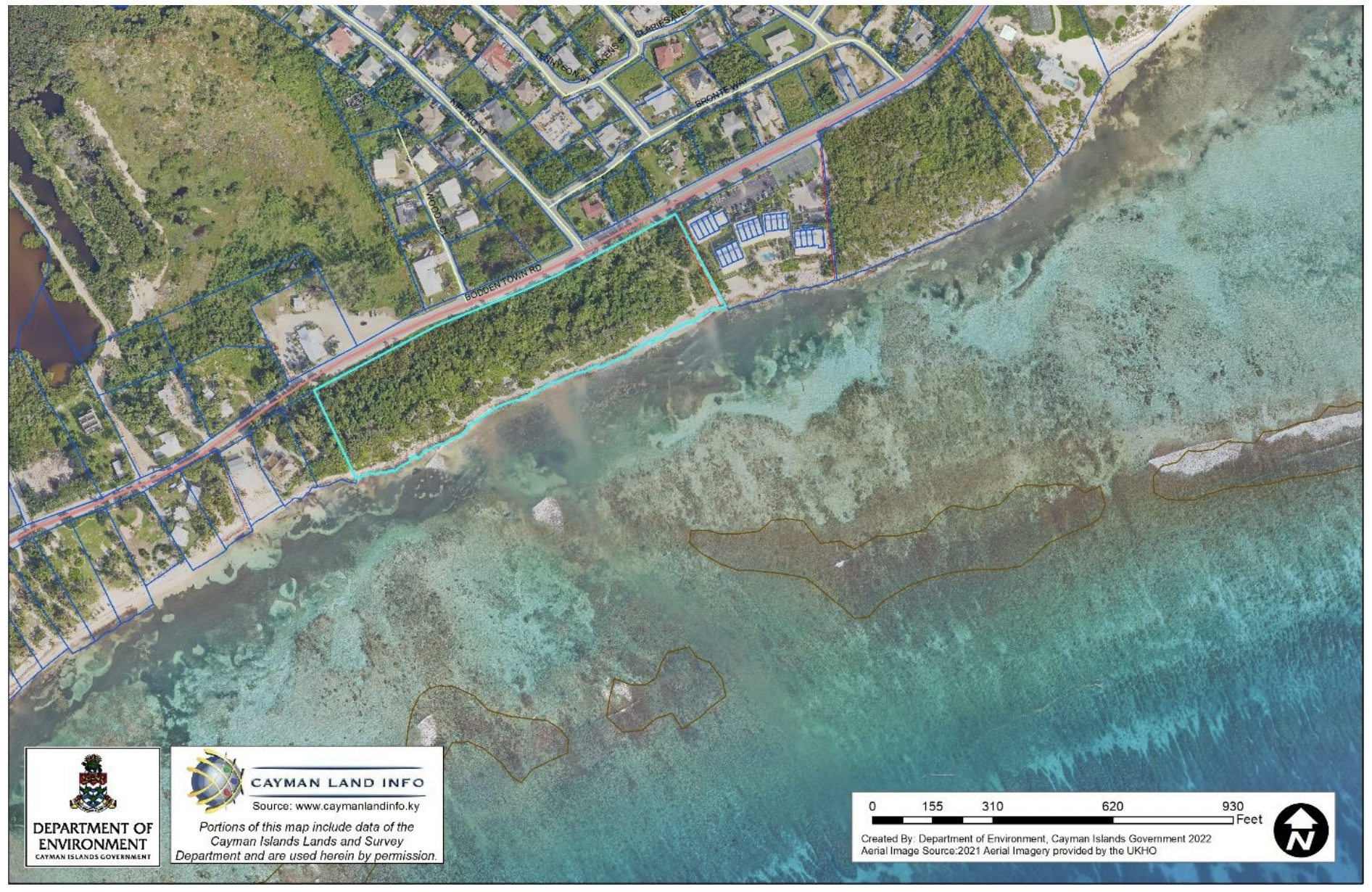
A proposed $100 million apartment complex of six 5-storey buildings which would cover 1,000 feet of Bodden Town coastline is being considered by the planning board today, amid objections from locals.
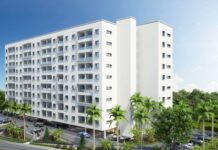
The SeaGlass development, on a vacant lot west of the Moon Bay Condominium complex, would include 157 seaview apartments with “floor-to-ceiling wall-to-wall glass facades”, as well as two 256-square-foot cabanas, three swimming pools, and shared subterranean parking for 243 vehicles.
The plan has received seven letters of objection from neighbours, one of whom describes the design as “horrific” and out of context with the area.
Other concerns include road safety, traffic congestion, security, damage to turtle nests, risks for swimmers, flooding, light and noise pollution, and beach erosion.
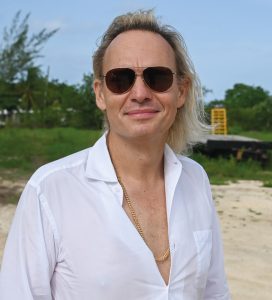
The project is the brainchild of internet entrepreneur and long-time Cayman resident Frank Shilling, whose multi-million-dollar plans to excavate eight acres next to Scotts Dock on Cayman Brac to create an inland marina and harbour – the Port Zeus project – are working their way through the planning process.
Schilling told the Compass he did not wish to comment on the project until it had been heard by the CPA.
SeaGlass is being funded by F.S. Inc, a corporate entity owned outright by Shilling, who has brought in architects Johnson Design + Architecture to mastermind the complex.
They say the buildings have been designed “nestled behind the existing natural ridgeline” and the plot will retain the natural shore and some of the natural vegetation.
The building work on the 6.3-acre site will take place in three phases, with two buildings constructed at a time.
The planned buildings will contain one- and two-bedroom apartments with penthouse units on the top two levels.
The designers explained that over one-and-a-half years they have met with several relevant authorities and incorporated their advice, guidance and requirements into the project.
Public right of way to the sea
The property has 1,037 feet of frontage. The developers have included plans for two 18-foot-wide public rights of way, one at either end of the development, to comply with a rule that the public must have a six-foot-wide right of way to the sea for every 200 feet of the property.
However, the Public Lands Commission has requested “that the individual 6 ft public rights of way to the sea be located every 200 feet as provided for in Regulation 32; i.e. not rolled up into two x 20 ft public rights of way at each end.”
Five storeys or six?
Planning officers have advised the committee to discuss the height of the building and the number of storeys proposed, which are governed by a regulation that the maximum permitted height is 65 feet or five storeys, whichever is less.
The regulations define ‘storey’ as “that portion of a building included between the surface of any floor and the surface of the floor next above”.
Therefore, officials advise: “With respect to the proposed building, it would appear that the proposed covered parking constitutes a storey and the result is a six storey building with 77’6” of height, which would not satisfy Regulation 8(2)(e).”
What the objectors say
A letter from residents of Moon Bay condos said it is “disconcerting” the government is allowing more construction without considering the environment or people.
They expressed concern about traffic delays and accidents as well as the environmental impact of construction on the surrounding waters.
The letter objected to any new construction of complexes to the east of Savannah and suggested the government enforce a moratorium pending research on impact.
Another said there will be a negative cultural impact of a complex that size, writing: “Bodden Town is where the first school and the first church were located. It is where democracy started in the Cayman Islands.
“The quaintness of Bodden Town and its historical importance must be preserved for generations of Caymanians to come.”
Another objection letter said the proposed development is “completely out of context” with the east side of the islands and the peaceful lifestyle, adding the size is “horrific”.
They stressed there is no infrastructure to deal with the levels of sewage that will be produced.
The application came before the CPA in November and was referred to the National Conservation Council.
The appeals court ruled against the CPA in September – declaring that the conservation council has the “final word” on planning applications likely to have adverse effects on marine parks or environmentally protected areas.
Since the ruling, the planning authority has taken to referring most large seafront applications to the NCC, as it did in this case on 22 Nov.
The practice apparently causes frustration at the council, whose members believe the additional delays are unnecessary.
The NCC now includes a standard addition in many replies to the CPA – including in this case.
In a letter dated 15 Dec., the NCC referred the planning authority to its previous submission on this application, and added:
“It is unclear to us why the CPA has chosen to delay the application in this manner and to continue to not follow the Court of Appeal’s Judgement and the way forward that was agreed at a recent meeting between the CPA, NCC and the Departments of Planning and Environment…
“We apologise to the applicant on behalf of the government for this unnecessary delay.”
The press and public are not privy to planning board deliberations and its members’ voting decisions.
The Compass will report on the outcome of the application once the CPA posts its decision online, which is usually in around four weeks.
Related Videos