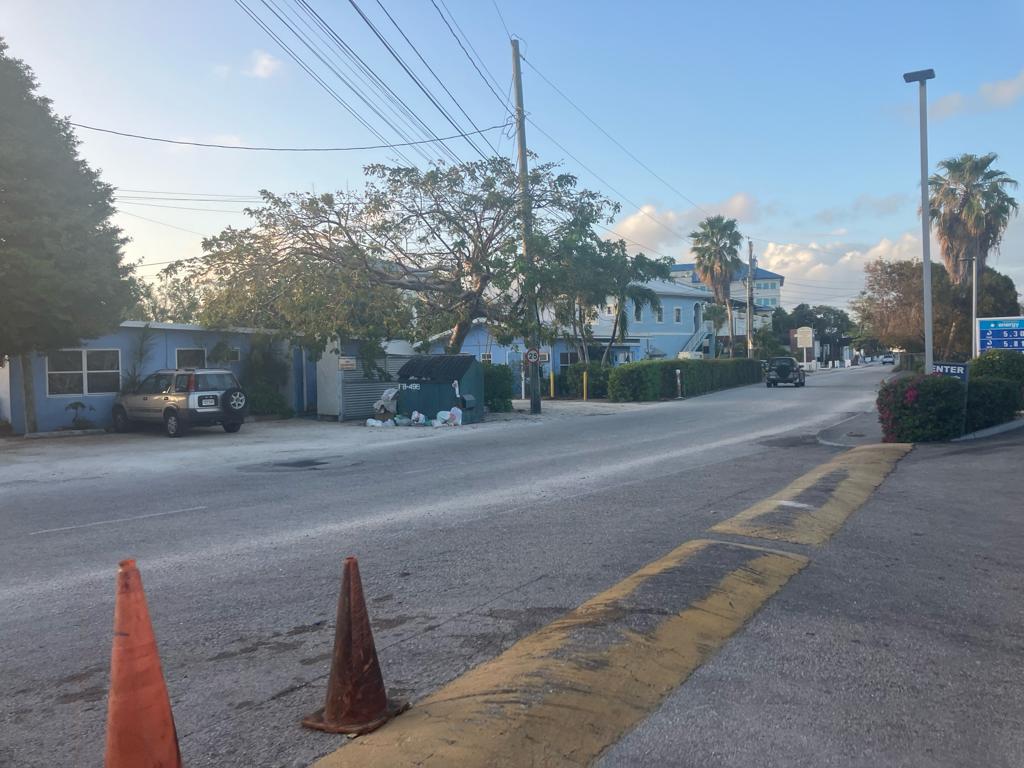
If all goes according to a developer’s plans, a $95 million, 162-unit, 10-storey apartment block could join the George Town skyline.
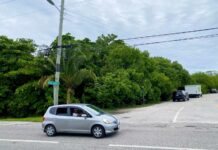
The Central Planning Authority heard a presentation Wednesday from Legoland Real Estate about its proposal for a new building on Boilers Road, one that would be several times the density of comparable buildings currently in George Town.
The project is temporarily on hold, but the developer Eduardo Bernal anticipates bringing it back for consideration in a month.
Changing downtown
Bernal pitched the project as the type of innovative facility an evolving downtown area needs.
He acknowledged the density of the units and said his company wanted to bring relatively affordable apartments to George Town, particularly for young working professionals and small families. It aims to set the monthly rent for the units at about $2,000.
The current plans include about 80% one-bedroom units and 20% two-bedroom units, he told the Compass.
“I can see potential for George Town to really be used by residents, not just visitors,” he explained to board members.
Bernal said one hope for the project is that it will help increase the walkability of George Town for those who live and work in the area, also allowing more people to more easily enjoy sites like Heroes Square.
However, one member of the CPA raised concerns about the additional pressure more vehicles would add to the George Town roadways during peak hours.
The proposal includes 251 parking spots, and the National Roads Authority said it predicted a “moderate” impact on road capacity issues — which one board member said is unusually high for NRA project assessments.
In the zone
Authority members drew attention to one potential thorn – zoning policy. While they do have discretion to allow for residential facilities in a ‘general commercial’ zone, there are some conditions. One of those is that no more than 80% of the building can be residences.
Some members expressed concern that this plan exceeded the maximum, considering nine of the 10 floors would be apartments, with the first floor dedicated to a reception area and parking.
Bernal said a below-ground parking level would count as non-residential. However, some members said the building is 10 storeys regardless.
The developer made the point that thousands of cruise ship passengers converge on George Town without making the area feel congested and, by comparison, the few hundred living at the apartment building would likely not have a noticeably negative impact. In fact, they would be bringing a new vibrancy to the area, not to mention an economic boost for nearby businesses.
“We would love to keep the density that’s proposed because we think it is the best for George Town,” he told the Compass. “The more Caymanian families and locals can live in George Town, the better they will take advantage of all the wonderful projects that the government has done in George Town.”
He said projects in central city areas should be judged individually on their merits, not automatically limited by density regulations. He added that he believes board members see the potential benefits of the proposal but likely want to exercise caution when assessing a new type of project.
“I’m very happy they didn’t just shut the door,” he added.
The planning board members agreed to adjourn the application, allowing Bernal to consult with the company on what sort of adjustment to the units it would be willing to accept.
Bernal said he expects to bring the project back for reconsideration in about a month.
Related Videos