

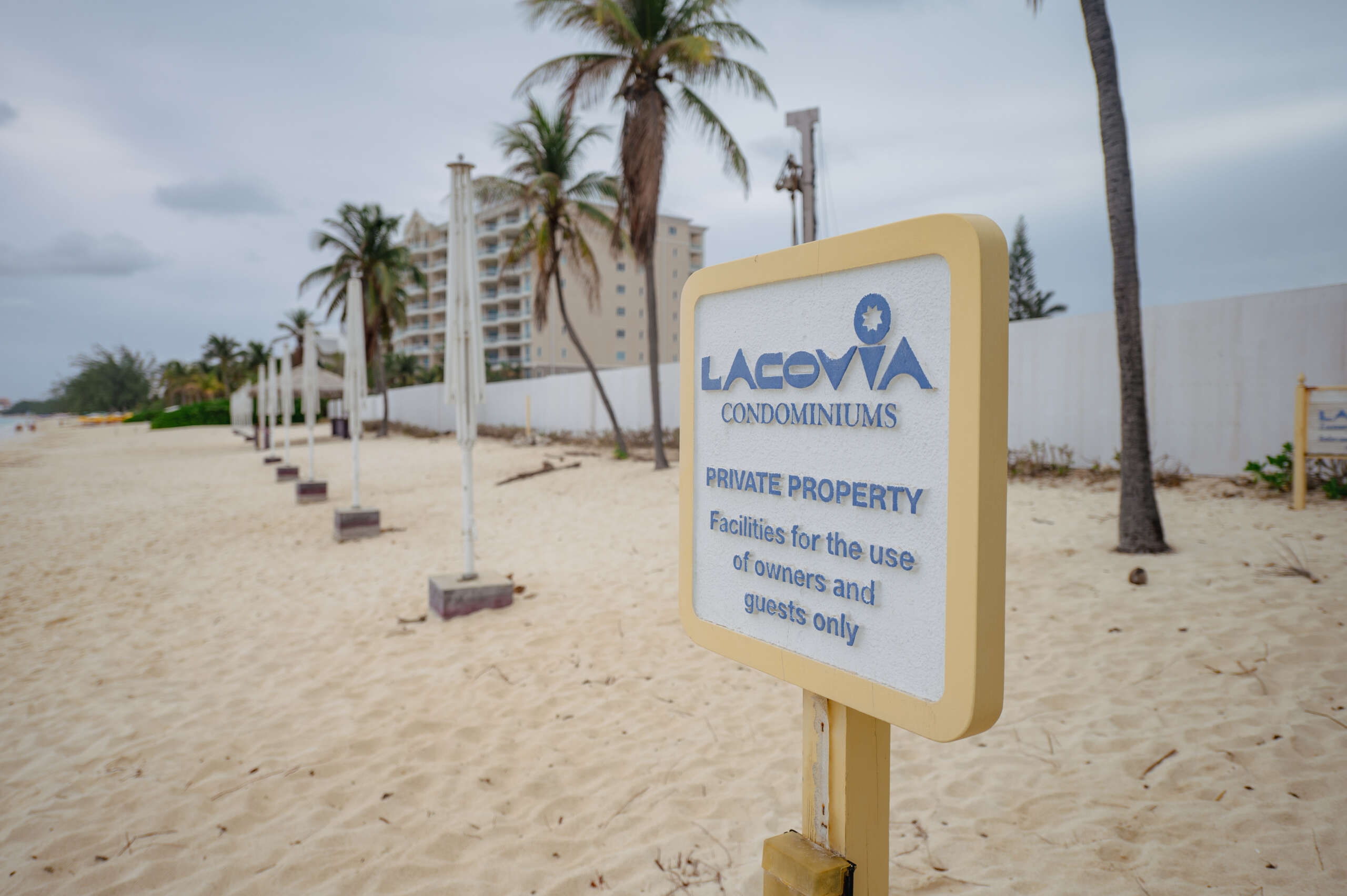
There is a hole in the Seven Mile skyline. The red-tiled rooftops and the sandy-coloured condos of Lacovia, a fixture on West Bay Road since the 1980s, were demolished last month.
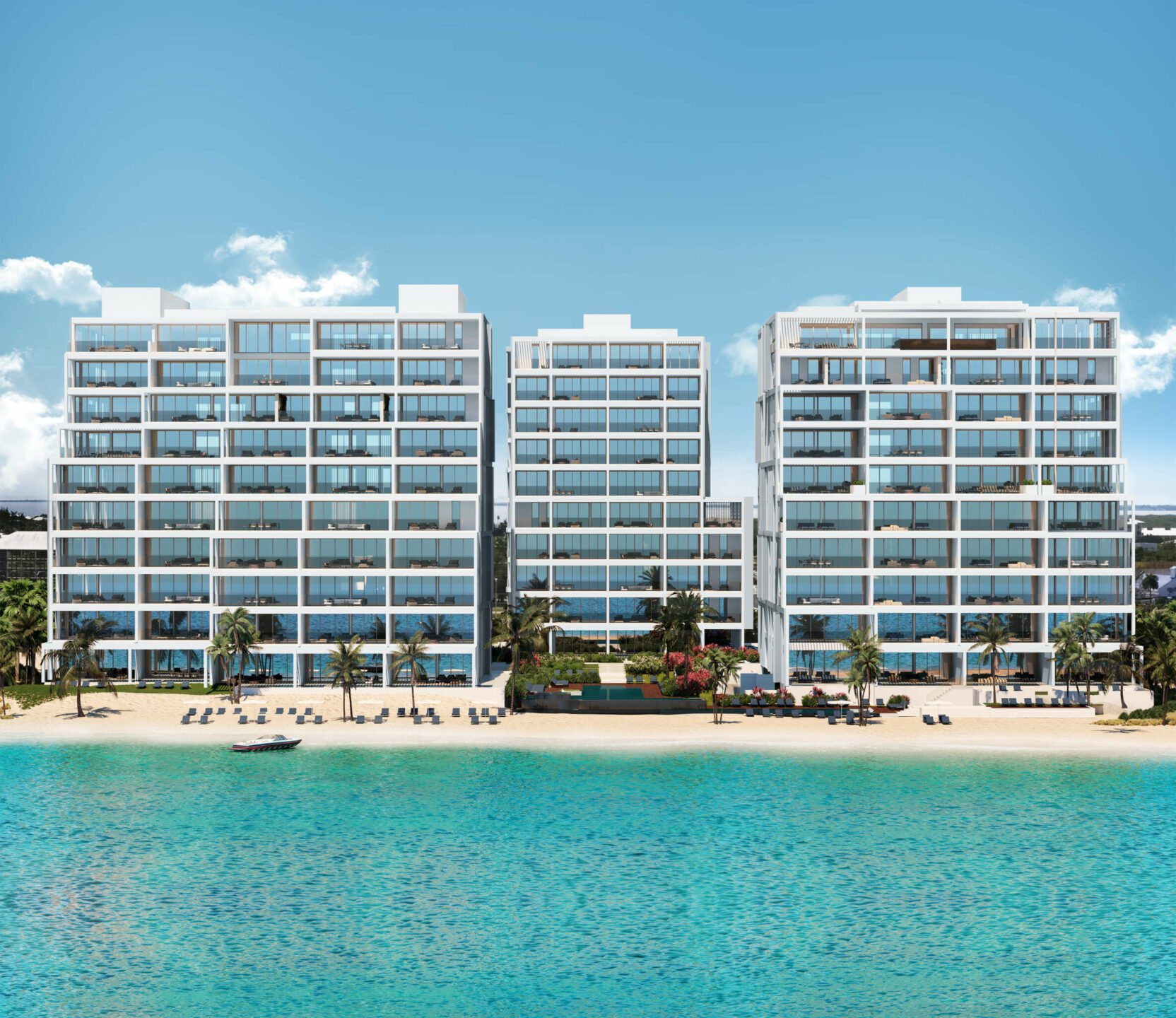
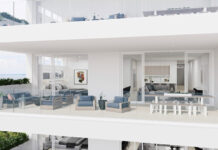
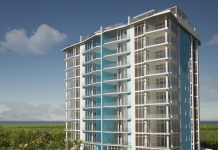
And the gap will soon be filled by three new 10-storey buildings as the paradigm-shifting renovation of one of the beach’s oldest properties finally begins.
It has been five years since the 55 owners of the original complex voted to demolish their homes and replace them with a new $263 million apartment complex.
Despite challenges, and some controversy, property experts forecast the model will spread along the beach as older complexes reach the end of their viable lifespan and strata committees seek to turn expensive renovations into money-spinning redevelopments.
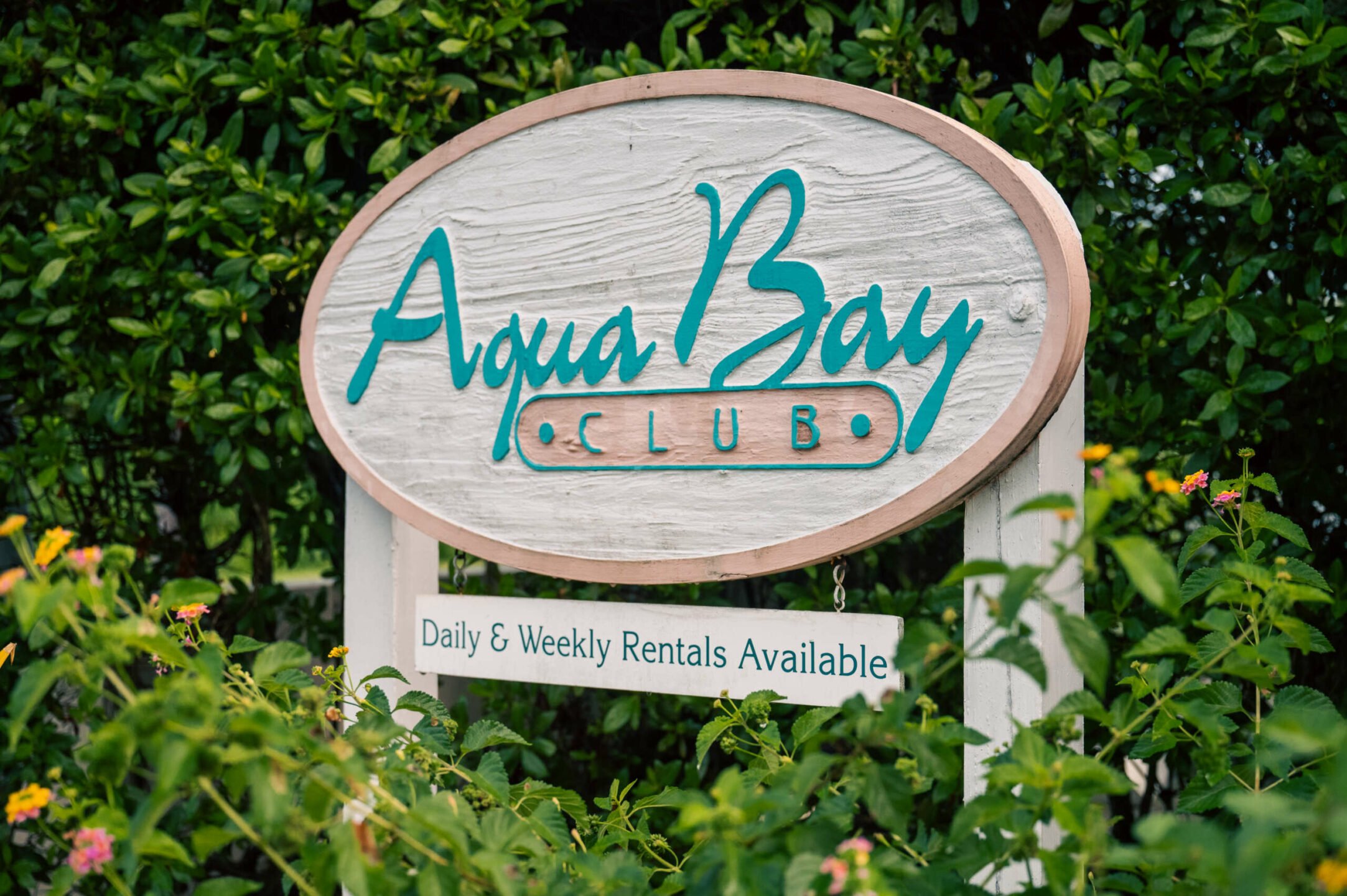
Aqua Bay, a similarly low-rise condo complex at the north end of Seven Mile, was slated for similar treatment. The project, which planners said was actually 12-storeys once parking and rooftop facilities were considered, was turned down by the Central Planning Authority, but is expected to be resubmitted in amended form.
Elsewhere on the beach, there are signs of the ‘Lacovia effect’.
Simon Watson, of Charterland surveyors, said prices for units in older complexes are rising on the back of speculation that there is money to be made in demolishing and replacing those properties.
The independent valuation firm’s 2023 market report notes three sales at Silver Sands – next door to Aqua Bay – at an average price of just under $2 million.
That’s 36% higher than the last sale in that complex in 2021 and more than triple what those units were selling for in 2015. Similar patterns are being seen at other properties, including The Islands Club.
Watson attributes that to the possibilities that the Lacovia and Aqua Bay projects – albeit unfinished and in one case yet to be approved – represent.
There are many other properties on Seven Mile, some built with saltwater concrete in the 1980s and 1990s, that are now facing hefty repair bills.
“It is a logical thing for them to be redeveloped as they reach the end of their economic life,” said Watson.
“I don’t think anyone takes issue with that, but people do want them to be in keeping with the character of the island.”
10-storey trend to continue
The economics of real estate, however, dictate that any developer is incentivised to maximise sales value and currently there is no motivation to build anything less than 10 storeys, says Watson.
“At the moment the economic argument is to put as many condos on the site as you can while maintaining that luxury price point. It will happen if it is allowed to happen,” he said.
A subtle but significant switch in the planning law has increased the chances of such redevelopments along Seven Mile.
The agreement of every condo owner in a development is no longer required to demolish and rebuild. A ‘supermajority’ of 75% is enough.
That is influencing big developers and investors to buy into older condo units with a long-term strategy to force a rebuild, says Watson.
“The sales activity is not coming from the man on the street,” he said.
Strategic acquisitions
Rick Riyat, head of valuations for Cayman Islands and The Bahamas at BCQS, highlighted similar trends.
He said institutional investors were buying up condos in the hope of either making money from a potential rebuild or selling the units at a premium price to a developer.
“There are almost no ‘green field’ sites left along Seven Mile but you do have several older, low density developments, with prime beachfront land.”
He said the Lacovia model – which allowed the existing owners to get a newly built unit, and allowed the developer to build enough additional properties to make a profit – was likely considered a win-win for those involved.
“That is certainly a blueprint that others will look at, particularly in those older properties that are not in the best shape, and we are already seeing evidence of strategic acquisitions that are likely to be part of long-term plan to redevelop certain properties.”
James Bovell, in a prescient column for the Compass in 2018, predicted that the recently enacted strata legislation would create opportunities for investors.
The RE/MAX realtor highlighted lack of available beachfront land as a hurdle for investors, and predicted that the next phase of Seven Mile projects would come from redevelopments.
He highlighted that redevelopments comprising high end units – of over US$3 million – would be the only way to realise sufficient funds to make that viable as an investment strategy.
“People looking at investing in Seven Mile Beach from a development perspective should be aware that they need to put in place a long-term investment plan, because there are various hurdles to go through before returns can be made,” he wrote.
“These developments can be long and protracted in the making, but the rewards are exciting at completion.”
The process could be slow
Realtor Kim Lund suggests the activity is not as swift as some believe. And he argues that many of the people who bought into older developments are happy to keep their vacation homes and not take the risks involved in a costly redevelopment for a long-term pay-off.
While the owners of Lacovia will get new multi-million-dollar properties in the package, the project has been five years in the making and the foundations are yet to be laid.
He agrees that redevelopment of older properties will happen, but suggests it will be a slow process.
“I think longer term we will see more of that but it is going to be few and far between.
“At the moment, nobody is banging on the doors of developers asking them to redevelop their property – just the opposite.”
Related Videos









With regard to Simon Watson’s comments regarding redevelopment of older condos, he says “people do want them to be in keeping with the character of the island”. I see very little (if any) Caymanian character in these new ten story redevelopments. Such a shame.
It will keep our realtors happy, but this trend needs to be halted by Govt otherwise West Bay beach will become one mass of humanity and the sand will disappear under thousands of beach loungers.