


A Grand Court judge has ordered the chairman of the Planning Appeals Tribunal to reconsider his refusal to grant neighbouring property owners extra time to pursue an appeal against planning approval for the proposed $60 million redevelopment of the Aqua Bay condominium complex.
Justice Jalil Asif, in a written decision dated 3 June, ruled that the chairman failed to provide adequate reasons for refusing an extension of time to serve notice of appeal on the developer, Butler Group Ltd., and said there was a real possibility that a different conclusion could be reached if the matter were reconsidered.
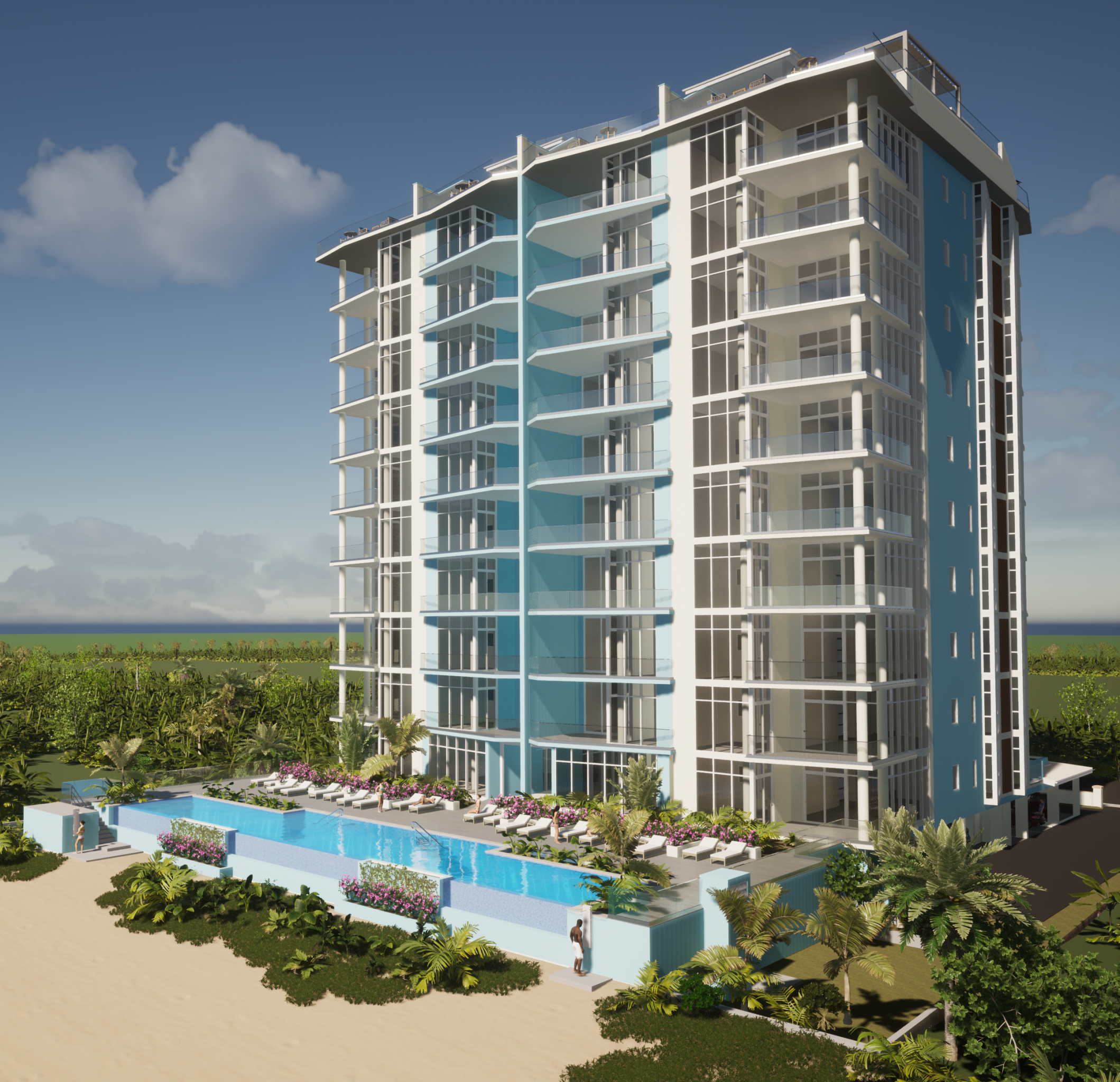
The dispute centres on planning permission granted by the Central Planning Authority in November 2024 for a 10-storey redevelopment of the Aqua Bay Beach Club Condominiums on West Bay Road.
The appeal was brought by owners in two neighbouring strata corporations who opposed the development and challenged the tribunal chairman’s determination that their appeal was invalid because they had failed to immediately serve notice of appeal on the developer after filing it.
The objectors had filed a notice of appeal with the planning authorities on 4 Dec. 2024, but did not provide the notice to the developer until 15 Jan. 2025. The delay resulted from what their lawyers later described as human error within their law office.
The tribunal chairman had concluded that filing and serving a notice of appeal constituted a two-step process and that failure to immediately serve the notice rendered the appeal ineffective unless an extension of time was granted. He subsequently refused to grant such an extension, citing the length of the delay and what he viewed as a lack of merit in the proposed appeal.
According to planning rules, notices of appeals of planning decisions must be filed within 14 days. In this case, there was a 42-day delay in the notice being sent to the developer.
The strata owners sought judicial review of that decision, arguing both that the chairman had misinterpreted the planning rules and that he had failed to adequately explain his reasoning.
Following a two-day hearing in March, Asif determined that while the appellants did require an extension of time to serve the notice on the developer, the chairman’s refusal to grant that extension could not stand because of deficiencies in his decision-making process.
“The Chairman’s failure properly to articulate the issues that were before him gives rise to an immediate concern that the Chairman did not fully grasp or grapple with what it was that he was being asked to decide,” the judge wrote.
He said the chairman’s written decision failed to properly address the appellants’ primary argument that an extension was unnecessary and did not sufficiently explain why the proposed grounds of appeal lacked merit.
The court noted that the Central Planning Authority itself contributed to confusion over the appeal timeline. Although its letter notifying objectors of planning approval was dated 19 Nov. 2024, it was not actually sent until 26 Nov. Asif described the discrepancy as “unfortunate,” particularly because the letter triggered the statutory period for filing an appeal.
The ruling also rejected arguments by Butler Group that it had suffered significant prejudice from the delayed appeal notice. The judge observed that the developer had been informed by the planning authority on the same day the appeal was filed that a notice of appeal existed and could have requested a copy at that time.
The proposed appeal raises several substantive planning issues, including the interpretation of regulations governing non-habitable ancillary space, the treatment of building height limits, the impact of overshadowing on neighbouring properties, and the extent to which the Central Planning Authority must follow National Conservation Council recommendations.
Asif said those issues appeared capable of raising important questions of law and public policy with implications extending beyond the Aqua Bay project.
“Each of the issues … has the potential to be of significant wider importance to the determination of planning applications in the Cayman Islands,” he wrote.
The judge ultimately quashed the chairman’s refusal to grant an extension of time and remitted the matter to the tribunal chairman for reconsideration.
The court’s decision means the tribunal must now revisit whether the objectors have shown sufficient cause for their delayed service of the appeal notice, potentially reopening the path for a challenge to one of Cayman’ most closely watched redevelopment projects.
Related Videos












I don’t understand how this proposal ever got to where it is? 10 stories in the middle of this stretch of beach is nuts. The entire surrounding area is 3-storey or less—how can this monstrosity just be plopped in there? The effect on neighbouring properties will be incredibly detrimental as this would no doubt take years to build. The overall impact on West Bay Rd traffic as well as safety cannot be overlooked—this would mean chaos on this stretch of heavily travelled road for years.