A spike in heat-stroke cases among dogs, including two recent fatalities, is concerning vets in Cayman as summer approaches.
And pet owners are being warned to take extra care over how they exercise and manage their dogs.
Of particular concern is a rise in short-nosed breeds, like pugs and French bulldogs, which are growing in popularity in Cayman. Those breeds – known as brachycephalic dogs – are commonly born with breathing issues and are less able to tolerate heat.
One dog, of that type, died in Cayman last month, after suffering breathing difficulties after a short walk in the middle of the day.
Dr. Colin Manson, of Kman Vets, said his staff had noticed an increase in heat-stroke cases already this year, involving those breeds in particular.
“We had a real spate of heat-stroke cases last year – six in the space of two weeks – and we have already had a couple of really serious cases this year,” he said.
While Cayman does struggle with neglect and animal abuse, Manson said that many of these cases involved loving and responsible pet owners who had made a tragic mistake or who were unaware of just how serious a threat is posed by the heat in Cayman.
“It is tragic because these cases often involve people who love and care for their dogs.”

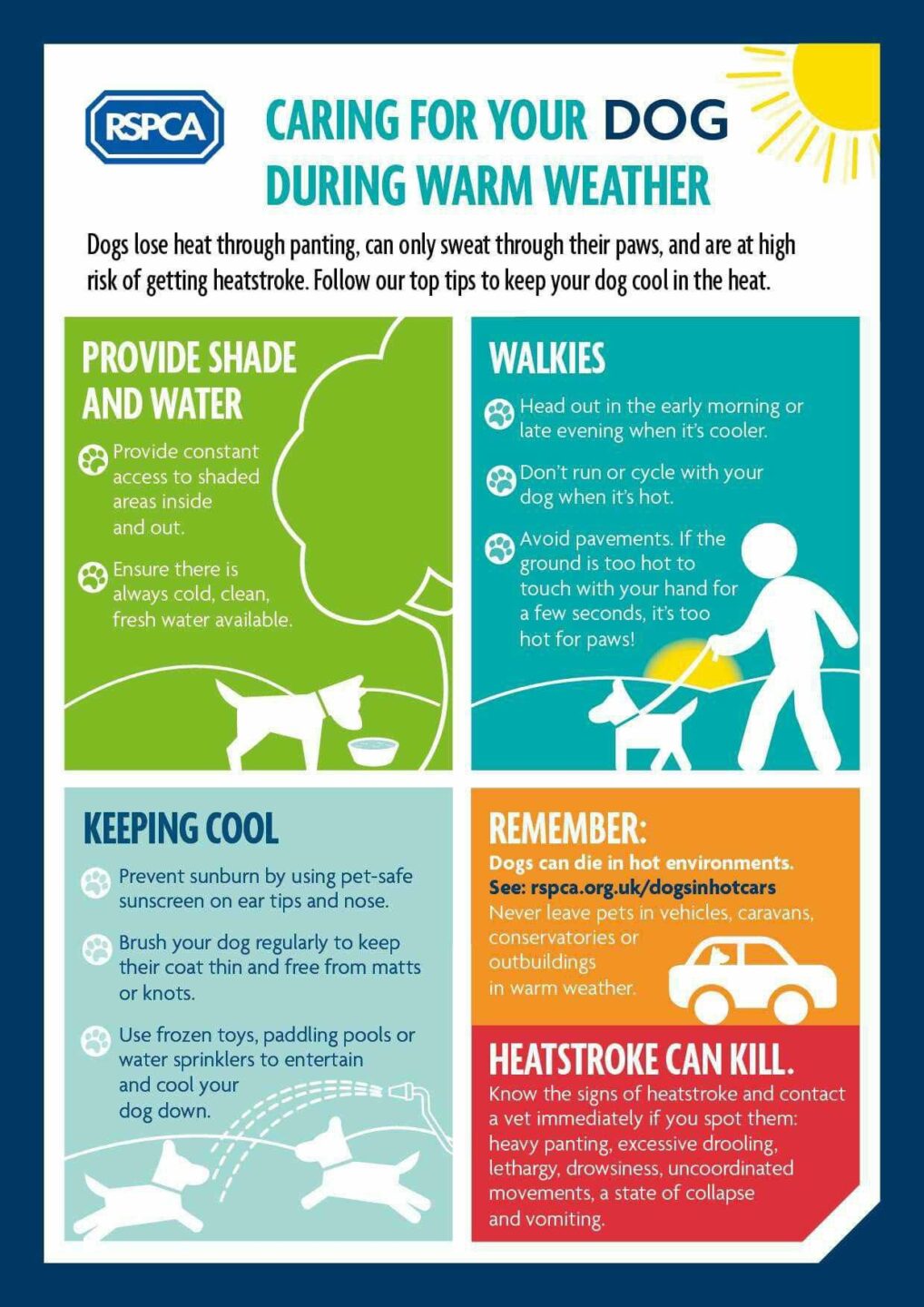
He advises pet owners to walk their dogs early in the morning or late in the evening and to restrict daytime walks to a quick ‘bathroom break’.
Those guidelines are especially important, he said, for brachycephalic dogs.
“Over the last few years, they have become very popular on island and we do have a number of issues with this breed in a hot climate because they are born with this physical impairment that makes complications from heat exposure 10 times worse,” he said.
Special care should also be taken with older dogs, long-haired dogs and puppies, Kman Vets advises.
Some have questioned if consideration should be given to import restrictions based on Cayman’s environmental factors, rather than simply based on ‘aggressive breeds’.
Adapting guidelines for Cayman
Similarly, local vets have expressed concern that international guidelines around how and when to walk your dog, need to be adapted for Cayman’s climate.
“Even leaving your dog in your car for a few minutes is too long in Cayman,” said Dr. Brenda Bush of Island Veterinary Services.
That vet practice sees around 10 cases of heat stroke each year and it is often fatal.
“It is something we have to worry about year-round in Cayman but especially going into the summer months,” Bush said.
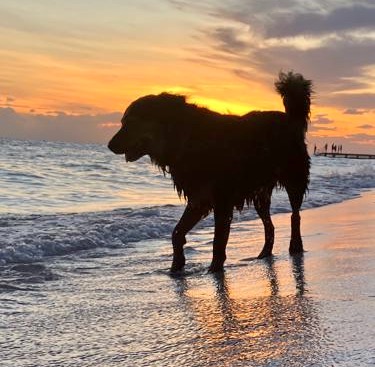
She advises people to walk dogs in the morning, to take them swimming, to carry water and, in extreme cases where heat stroke is suspected, to cool them down instantly either by putting them in the shower or the sea, or spraying them with a hose.
One additional worry for Cayman pet owners is the advent of hurricane season. With limited shelter space for dogs, the prospect of keeping an animal at home without access to power or air conditioning after a major storm is frightening.
Key advice:
* Walk your dog early or late – ideally before 8am or after 6pm – and bring water
* If your dog stays outside, ensure they have shade and cold, clean water
* Avoid pavements and hot surfaces which are tough on paws
* Never leave a dog in the car
* Short-nosed, long-haired and older or younger dogs are most at risk
*Anything over 29°C (85°F), or 24°C/75°F for short-nosed breeds, is considered dangerous and potentially life-threatening for dogs
Related Videos