
As Cayman joins the globe in marking World Breastfeeding Week, a local support group is advocating for better community support and more spaces for mothers nursing their babies.
Annie Mae Roffey, chair of the Cayman Islands Breastfeeding Support Group, says while there are some businesses and workplaces that facilitate breastfeeding mums, she believes a wide community approach is needed to make those nursing feel comfortable with their choice.
For this to happen, she said, there needs to be a change in how breastfeeding is seen in the community.
“Definitely, the community needs to be a bit more accepting and supporting and not frown, not put [nursing moms] in a corner and not make them feel uncomfortable,” she said.
World Breastfeeding Week, which runs from 1-7 Aug., was started in 1992 to raise awareness about the benefits of nursing and inspire action on various breastfeeding-related topics.
The World Health Organization recommends that babies should be breastfed exclusively for the first six months. Thereafter, solid foods should be introduced to fulfil babies’ nutritional requirements. Breastfeeding can continue until age 2 or beyond.
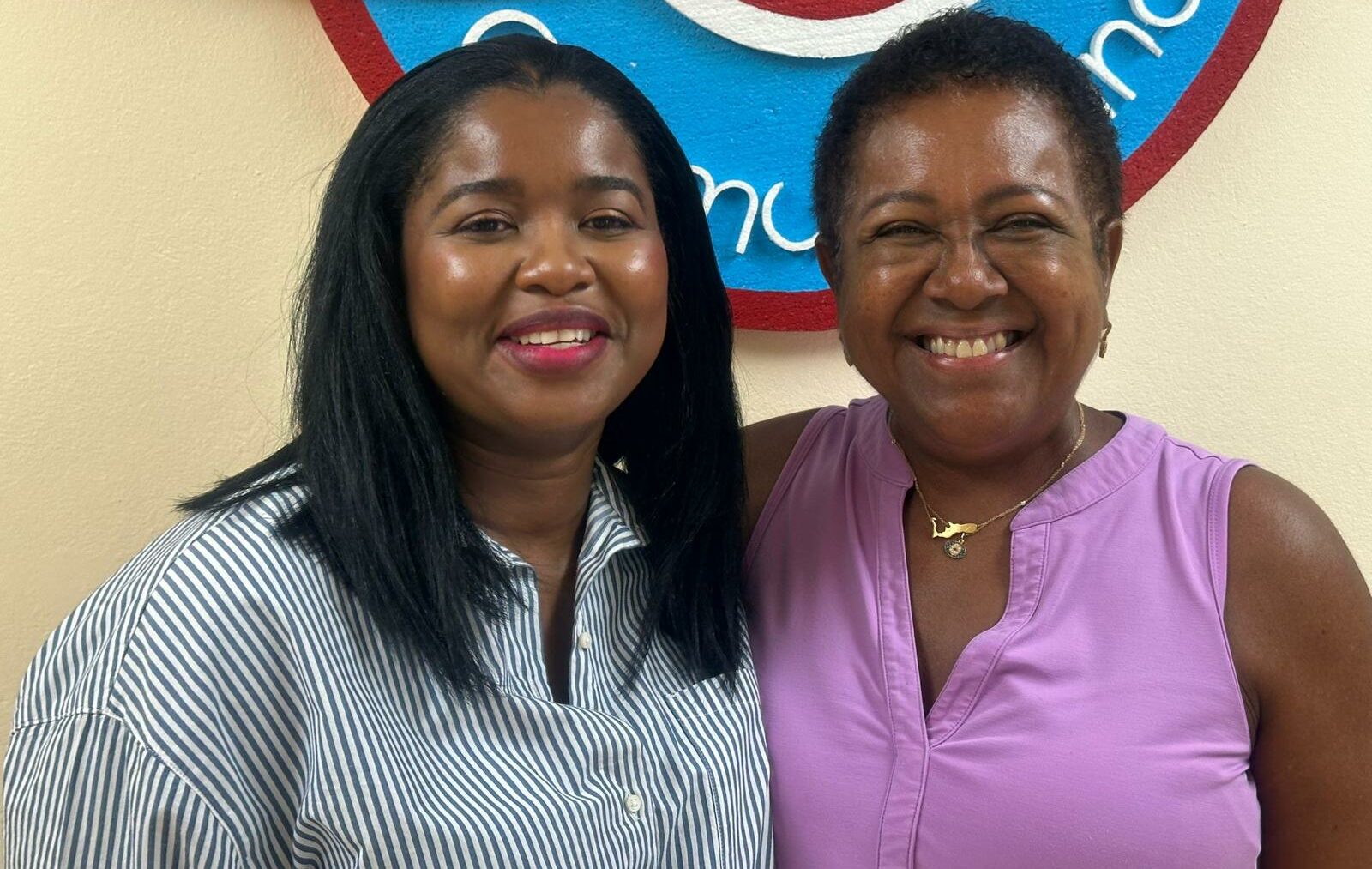
Roffey pointed out that some offices in Cayman have a designated space for nursing mums. The volunteer support group has even provided breast pumps for mums in the office to use.
‘Closing the gap’
Such acts are a starting point for the community, Roffey said, but added that in line with this year’s WHO theme ‘Closing the gap: Breastfeeding support for all’, there should be a wider acceptance of breastfeeding mums.
She said businesses can put up signs saying ‘Breastfeeding mums welcomed’ or allow them to use a safe, private space in restaurants to feed their children, instead of forcing them to retreat to bathrooms or a quiet corner, as if nursing were something to be ashamed of.
Special provisions can be built into maternity leave, such as allowing flex hours or working-from-home opportunities so mothers “have a longer time to feed their baby at home”, Roffey added.
There are others in the community working on getting longer maternity leave, which will be helpful, but she urged consideration for allowing women to continue nursing, she added.
“All moms are able to breastfeed with adequate support, and they should seek that support if they feel they need it, whether it’s from the day the baby’s born, or the day they get home with the baby, or the day they feel they’re having a bad day, or the time they’re returning to work,” she said.
Renae Brown, lactation consultant and member of the support group, said the theme of World Breastfeeding Week encourages inclusiveness and she wants the community to know it takes everyone to get involved in supporting mums.
She added that the support group offers free services to mothers struggling with lactating.
Guidance and support
Brown said that the group has been working within the community and with the Health Services Authority for years, offering guidance and support.
However, there still needs to be greater efforts to educate and encourage breastfeeding, which is a healthy option for newborns, Brown said.
“There are lots of women that want to breastfeed, but the cultural and structural support is not quite there to support them. There’s a lot of ridicule from society, and so women tend to feel as if they are inadequate and unsure of their decision … to breastfeed, because the doubt is already being created, and then there isn’t that wide acceptance that we were hoping for at this point,” she said.
Brown said the group is still pushing for policymakers to make a change to increase educational awareness and tolerance, and put measures in place to support women when they come back into the workplace.
Roffey noted this is where the challenge lies for a lot of women who, because of going back to work early, or having family pressure within the household to give their baby other foods, they gravitate away from nursing.
Breastfeeding provides essential nutrients to babies and helps build the bond between mother and child, Roffey said.
The volunteer group is open to all mothers and provides medical grade equipment as well as advice to new mums, she added.
Roffey said she believes Cayman’s hospitals are not sensitised enough to encourage exclusive breastfeeding for the first six months.
“They do get a lot of support on maternity [wards] from the midwives there, and then we are in the community to support them once they get home, but we may not be enough,” she said.
Brown said the group is organising Cayman’s inaugural breastfeeding conference, scheduled for 8-9 Nov.
Dr. Jack Newman, co-founder and co-director of the International Breastfeeding Centre in Canada, will be a keynote speaker at the conference.
More details on the event will be released in the coming weeks, according to Brown.
For more information, the Cayman Islands Breastfeeding Support Group can be reached by emailing [email protected] or calling 916-0132.
Related Videos