Although Cayman has no cases of monkeypox to date, local health officials say they are monitoring the spread of the virus internationally, which has now been declared a global public health emergency.
“No cases have been detected on island, however, surveillance continues,” acting Director of Primary Health Care and acting Medical Officer of Health Dr. Eryka Simmons said Wednesday in response to Cayman Compass queries on the issue.
Public Health, she said, continues to monitor the situation both internationally and locally.

“The public should continue to be vigilant,” she added.
Though Cayman has no cases, monkeypox has been reported in the Caribbean region, with, most recently, Jamaica reporting its second case of monkeypox over the weekend.
Commenting on the monkeypox situation, last week’s Public Health Spotlight report dated 21 July stated that as the monkeypox outbreak continues, there are varying trends around the world.
“Some countries report a decline in cases whilst in other countries cases are increasing. In total, five monkeypox deaths have been reported so far, all of which were in Africa. In the previous reporting week, there have been six new countries to report their first case of monkeypox,” it said.
The Cayman Islands, it said, has the capacity to diagnose monkeypox at the Cayman Molecular laboratory.
Simmons, commenting on local testing, said, “all suspected cases have resulted/been confirmed as other viral illnesses.”
Over the weekend, World Health Organization director general Dr. Tedros Adhanom Ghebreyesus issued the public health emergency declaration on monkeypox in an address at an International Health Regulations Emergency Committee meeting regarding the multi-country outbreak of monkeypox.
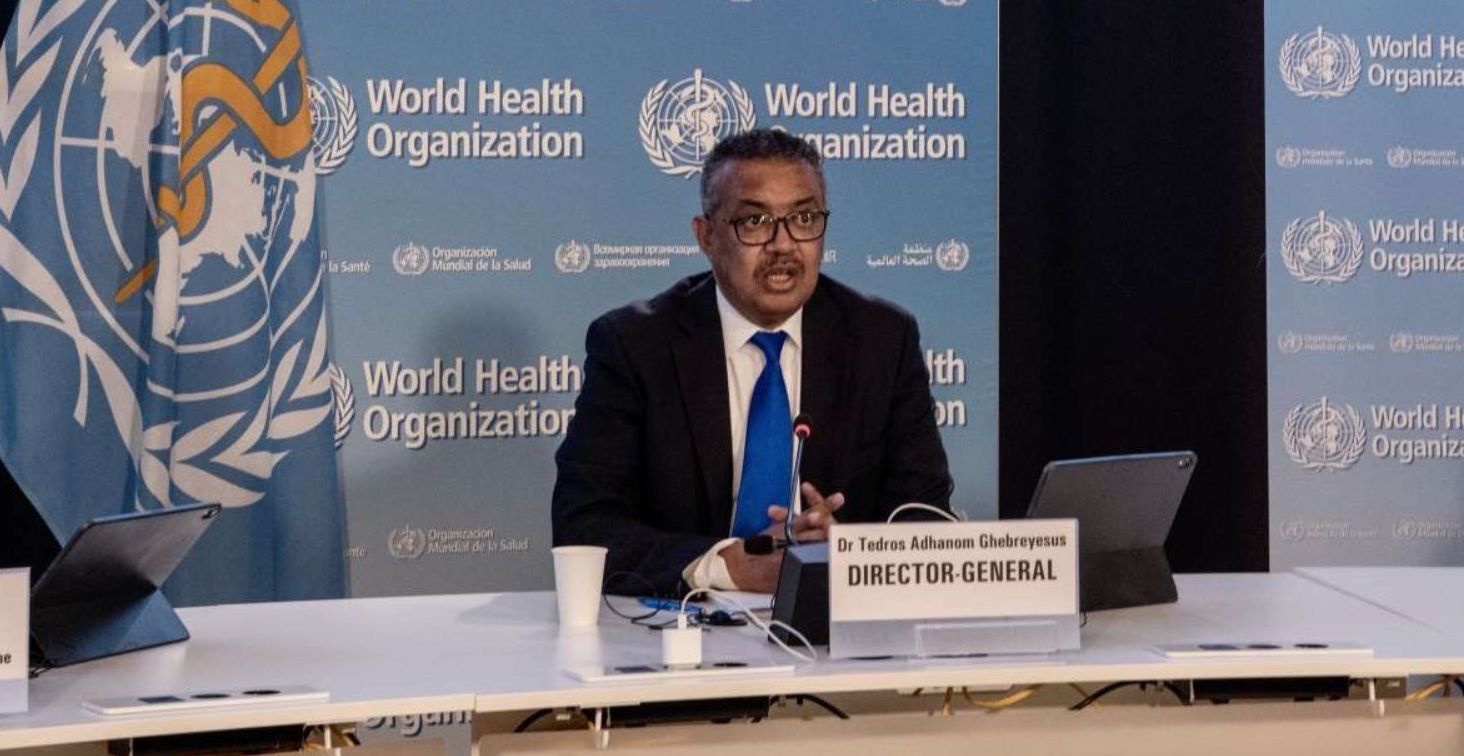
He said the WHO’s assessment is that the risk of monkeypox is moderate globally and in all regions, except in the European region where “we assess the risk as high”.
“There is also a clear risk of further international spread,” he said, “although the risk of interference with international traffic remains low for the moment. So, in short, we have an outbreak that has spread around the world rapidly, through new modes of transmission, about which we understand too little, and which meets the criteria in the International Health Regulations.
“For all of these reasons, I have decided that the global monkeypox outbreak represents a public health emergency of international concern.”
Outbreak spreading
The outbreak, first flagged earlier this year, has continued to grow, and there are now more than 16,000 reported cases from 75 countries and territories, and five deaths, the WHO director revealed.
The US Centers for Disease Control and Prevention has recorded cases in all but four states and the total confirmed cases in the United States stands at 2,891.
According to the Pan American Health Organization (PAHO), which serves as WHO’s regional office for the Americas, as of 27 July, there were almost 5,300 monkeypox cases reported across 18 countries and territories in the Americas, with the majority in the United States, Canada and Brazil. No deaths of monkeypox have been reported in the region.
Here in Cayman, samples from a young patient with chickenpox symptoms, which can have similar symptoms to monkeypox, were sent to the CARPHA in early June. Those were returned negative.
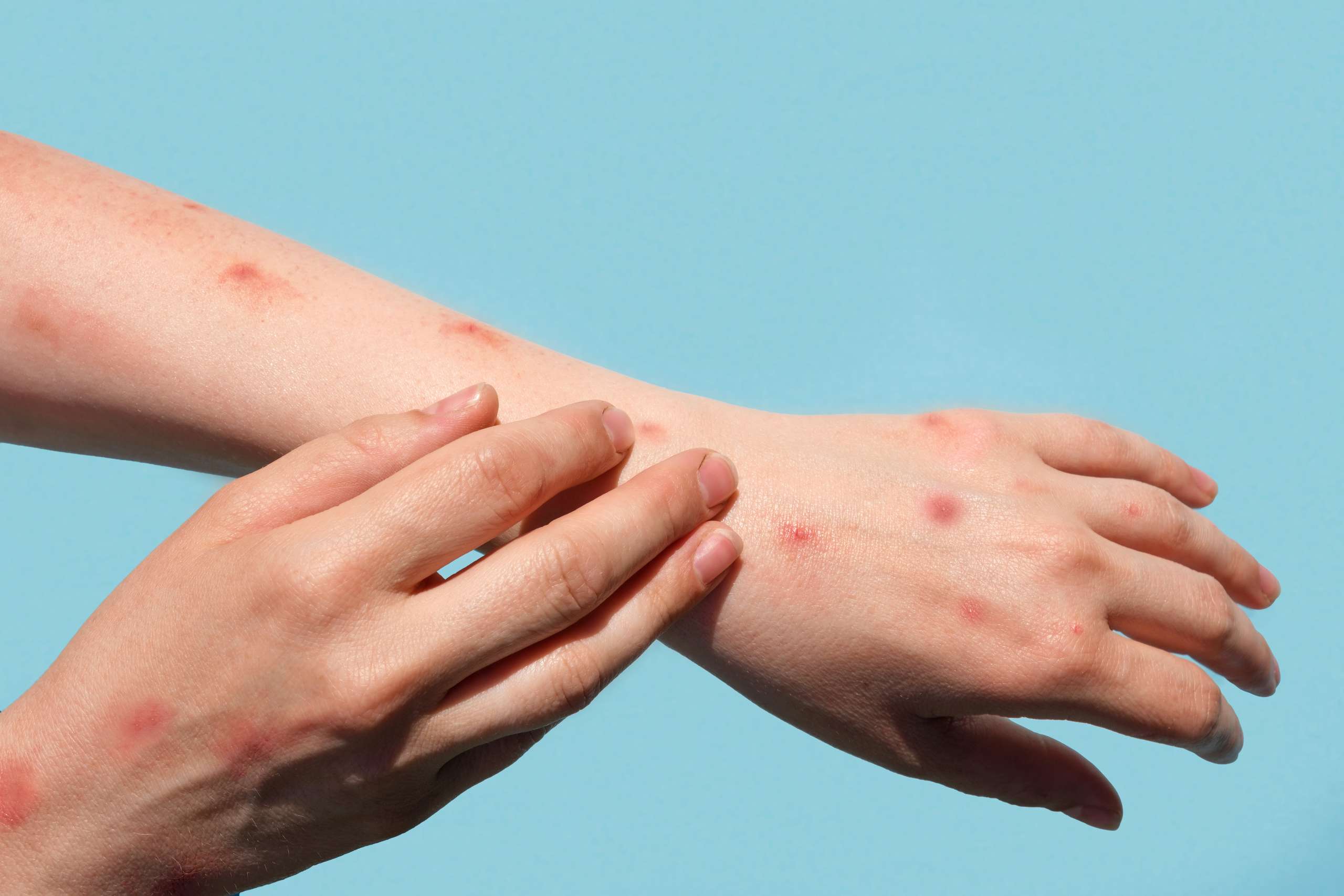
The monkeypox virus is closely related to the viruses that cause cowpox and smallpox. While symptoms resemble chickenpox, the fluid-filled lesions are larger and accompanied by high fever and swollen glands.
On the weekend, the WHO director general pointed out that, for the moment, the outbreak is “concentrated among men who have sex with men, especially those with multiple sexual partners. That means that this is an outbreak that can be stopped with the right strategies in the right groups”.
“It’s therefore essential that all countries work closely with communities of men who have sex with men, to design and deliver effective information and services, and to adopt measures that protect the health, human rights and dignity of affected communities. Stigma and discrimination can be as dangerous as any virus,” Ghebreyesus added.
He called on civil society organisations, including those with experience in working with people living with HIV, to work with the WHO on fighting stigma and discrimination.
“With the tools we have right now, we can stop transmission and bring this outbreak under control,” he added.
Monkeypox vaccinations
Officials with PAHO, in a press briefing on Wednesday said they were in “advanced negotiations” with a supplier of a third-general vaccine, based on the smallpox vaccine.
Dr. Andrea Vicari, PAHO’s head of infectious hazard management, said there was no recommendation at this point to provide mass vaccinations for monkeypox, but said, once the vaccine becomes available, it could be offered to high-risk individuals in the same-sex community, healthcare or laboratory workers, and others who are likely to come into contact with cases.
“The risk for the general population is very low … and, therefore, we are not recommending mass vaccination campaigns at this point in time, and I think it’s very unlikely we’ll be there at any point in time,” Vicari said.
Ten countries or territories in the region have expressed interest in acquiring the vaccine, PAHO Interim Assistant Director Dr. Marcos Espinal said, but he did not identify which ones.
He added that it was likely the vaccine would be ready this year, and would be available in limited numbers.
However, he also pointed out that, at this stage, there is “limited evidence of the efficacy” of the vaccine.
Asked if people who had been immunised against smallpox, which was eradicated in the 1980s, would be immune to monkeypox, Espinal said that in earlier outbreaks, there had been cases of people who had received the smallpox vaccine contracting monkeypox.
What are the symptoms
According to the CDC, the symptoms of monkeypox can include fever, headache
muscle aches and backache, swollen lymph nodes, chills and exhaustion.
It can also cause a rash that can look like pimples or blisters that appears on the face, inside the mouth, and on other parts of the body, like the hands, feet, chest, genitals, or anus, the CDC added.
The illness typically lasts two to four weeks.
Monkeypox spreads in different ways, it added, saying that the virus can spread from person-to-person through direct contact with the infectious rash, scabs, or body fluids or respiratory secretions during prolonged, face-to-face contact, or during intimate physical contact, such as kissing, cuddling, or sex. It is not an air-borne virus.
Touching items (such as clothing or linens) that previously touched the infectious rash or body fluids also causes spread of the virus.
Pregnant people can spread the virus to their fetus through the placenta.
Although there is no treatments specifically for monkeypox virus infections, the CDC said monkeypox and smallpox viruses are genetically similar, which means that antiviral drugs and vaccines developed to protect against smallpox may be used to prevent and treat monkeypox virus infections.
“Antivirals, such as tecovirimat (TPOXX), may be recommended for people who are more likely to get severely ill, like patients with weakened immune systems,” it added.
- Additional reporting by Norma Connolly
Related Videos