

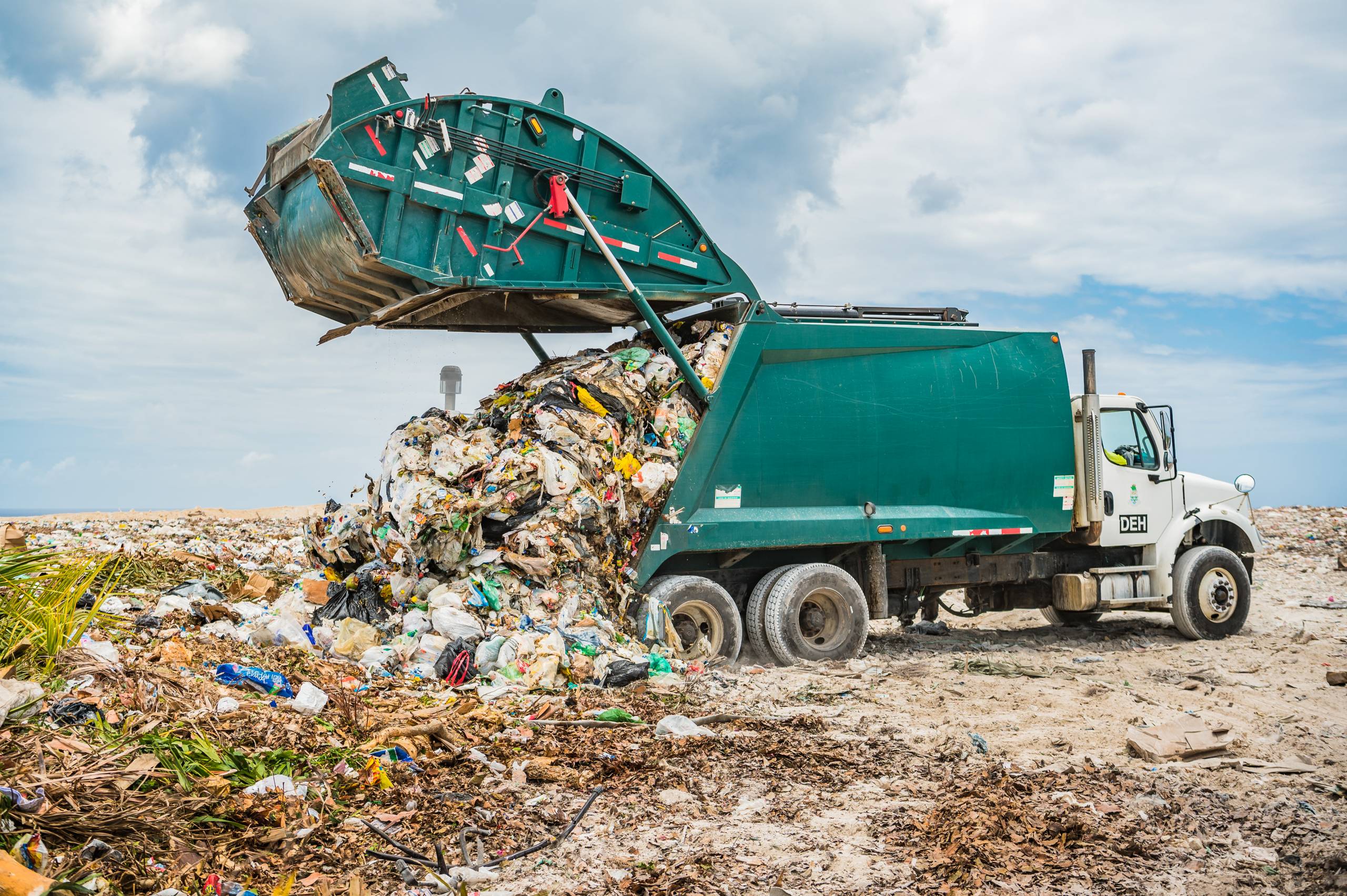
Government spent almost $14 million on legal advice and consultants during the failed negotiations over a deal to replace Cayman’s waste management facilities, according to data supplied to the Compass under the Freedom of Information Act.
The figure does not fully account for civil service staff time, nor for any costs for the private partner in the project – a consortium led by Dart Enterprises. And the bill could rise further as the two parties in the abandoned partnership negotiate the winding down of the agreement.
The vast majority of the funds sunk into the project so far went on legal fees, the response to the open records request shows.
The Compass asked for all costs associated with the ReGen project since the deal was announced in 2017 to the point where it collapsed last month.
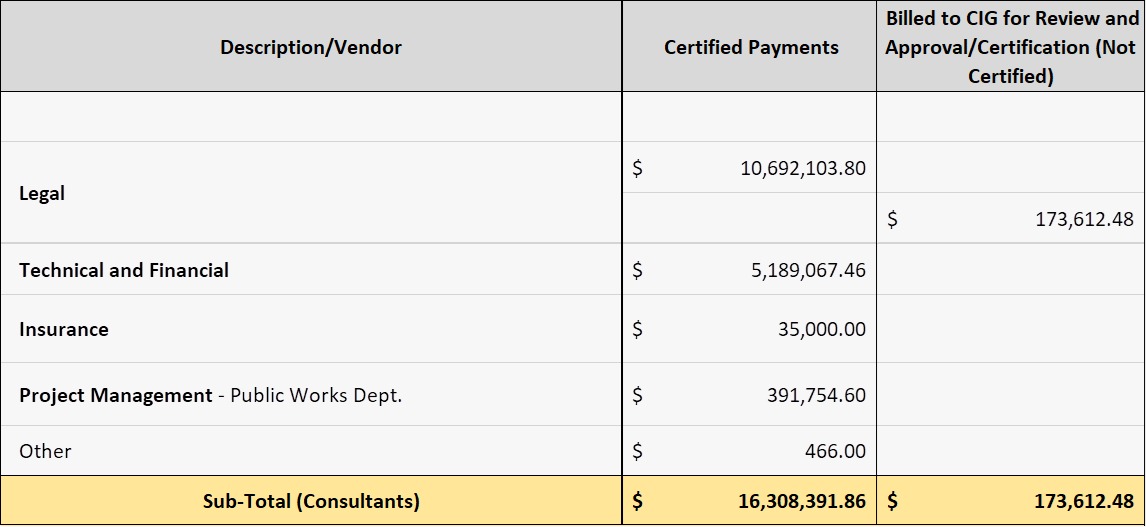
In its response, the Ministry of Sustainability, which has had oversight of the project since 2022, detailed around US$16.5 million (CI$13.8 million) on “consultancy fees (technical and financial), legal fees, insurance, project management and printed materials, for the project”.
That number is equivalent to the entire annual budget for the Department of Environmental Health which operates three landfills and is responsible for trash collection for the islands.
The figure excludes around four years of preparation work on the solid waste management strategy prior to the selection of the consortium as the preferred bidder in 2017.
A breakdown of the expenses shows that US$10.69 million (CI$8.83 million) went on legal advice and US$5.2 million (CI$4.33 million) on technical and financial consultants. The rest went on insurance and project-management costs.
The ministry declined to provide a breakdown of the specific payments and the companies that received them, citing commercial sensitivity issues as the negotiations to wind down the proposed public-private partnership continue.
The Compass also requested records relating to land purchases and swap agreements linked to the project, as well as the estimated cost of the proposed 25-year contract as of June 2024, when negotiations began to break down.
The ministry has declined to release that information, arguing that it is “exempt in full and will not be disclosed”.
It stated the requested information was exempt from disclosure under three separate clauses of the Freedom of Information Act.
It stated, “The project is still in negotiation and any premature disclosure of the information would prejudice the effective conduct of public affairs and commercial interest of the organisations. The information was provided in confidence and any disclosure would amount to actionable breach of confidence, under the agreements.”
The Compass has appealed the decision.
In a separate Freedom of Information request, we also sought, copies of the original bids during the tender process that took place in 2016. The release of those documents was also rejected by the ministry and is being appealed.
Countdown to collapse over landfill
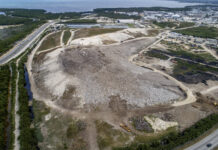
The plan to replace the out-of-date unlined landfill – which remains a fire hazard, an environmental risk and a potential public health threat – with recycling and waste-to-energy facilities collapsed last month after a decade of planning and negotiation ended in failure.
The previous Progressives government first began the solid waste management strategy discussions in 2014, announcing a public-private partnership with a Dart-led consortium that came to be known as ReGen, after an extensive competitive bid process in 2017.
A signed agreement to close the contract was announced in 2021, just prior to the general election.
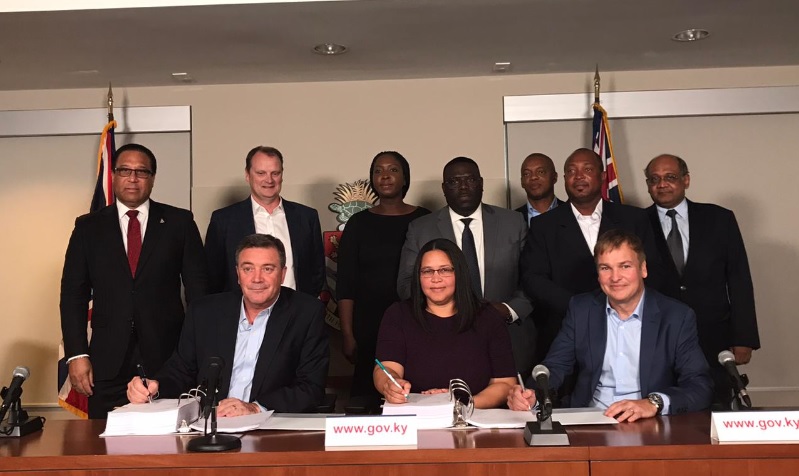
However, the new PACT administration and its successor UPM government, made largely of the same people, have stated that the deal was far from complete. And after a further three years of negotiation, Sustainability Minister Katherine Ebanks-Wilks announced last month that government had pulled the plug on the project, which she said had become “unaffordable”.
In the aftermath of that decision, an auditor general’s report, carried out in late 2021 at the request of the PACT administration, was widely leaked to the public.
The report indicated that the public sector spending watchdog did not believe the deal represented value for money. It stated that the project cost at that time was estimated at $790 million over 25 years. But the report indicated this was likely an underestimate and small increases to variables, including inflation, interest rates and the amount of waste going into landfill, could have added hundreds of millions of dollars to the total cost.
The report also indicated that multiple aspects of the deal – including insurance and the price CUC was willing to pay for any electricity generated – were also still up in the air. The cost of trash collection would have also fallen to government under the proposed contract.
No alternate solution has been put forward and the future of waste management in Cayman remains in doubt amid reports that the landfill has just a few years capacity left.
Editor’s Note: The Cayman Compass is a subsidiary of Dart Media and Entertainment.
Related Videos











What a waste of money.
Miami /Dade county in exactly same position.
Need exactly the same plant
Being all the parties together and build two
The embarassing bits are always omitted on account of “sensitivity”. The cost however is some way below the latest CI$50 million High School project on the Brac.