The Needs Assessment Unit, the government agency which delivers monetary help to those in need in Cayman, will transition this week into the Department of Financial Assistance.
The official transition date is Thursday, 10 Oct., which will be exactly two years since the passage of the Financial Assistance Act, 2022, but one year since the regulations were approved by Cabinet to support the legislation.
The legislation allowed for the introduction of conditions that can be attached to financial assistance for households and individuals in need. It also established a new appeals tribunal under which decisions by the Department of Financial Assistance can be challenged, and grievances aired.
Deputy Premier and Minister for Social Development André Ebanks said the changes in the department, which began with drafting the new legislation, meant that it could continue to help the islands’ “most vulnerable” residents, while being more transparent and accountable.
In a statement issued by his ministry, he said, “Over the past three years, we’ve been building a system that truly puts people first – one where fairness and transparency are at the core of every decision. The transition to the Department of Financial Assistance and the introduction of the Financial Assistance Appeals Tribunal marks a bold step towards ensuring that every individual in need of assistance is treated with dignity and respect, based on their unique needs.
“This transformation is about more than policies; it’s about empowering our community to thrive. The Department’s new name symbolises the final step in this journey, reminding us that meaningful change requires courage, and without change, there can be no progress.”
The NAU has been operating under most of the new regulations since February this year, the statement noted, adding that this early implementation allowed the department “to fine-tune processes, train staff on new procedures, and bring new team members on board to manage increased demands”.
The statement noted that over the past year, the NAU has implemented several changes, including new provisions for emergency assistance, rental deposits, and expanded support for accommodation, utilities and transport.
Tamara Hurlston, director of the Needs Assessment Unit, said, “For the last year, we’ve focused on improving how we deliver assistance, using feedback to refine and adjust our services. Current clients can rest assured that nothing is changing for them with this transition, as most of the reforms have been in place since early 2024.”
Appeals tribunal
The government statement described the Financial Assistance Appeals Tribunal as an independent body designed “to review appeals and provide an unbiased process for clients to challenge decisions made by the department that relate to specific policies”.
The tribunal is made up of five members. It is chaired by lawyer Deirdre Garcia-Daniel, the deputy chair is former civil servant Angela Martins, and the three other members are lawyer Prathna Bodden, Health Services Authority board of directors member Tayvis Walters, and Cayman Finance associate director Brittany MacVicar.
“Comprising individuals with expertise in areas like law, health, and finance, the Tribunal will ensure decisions are made transparently, removing any perception of influence,” the government statement noted.
Online portal
The department’s portal, www.dfa.gov.ky, which will launch on Thursday, will be where clients can submit applications through an online form. Applications can still be submitted by email or in person. Those who apply through the portal will be able to see the status of their application once it has been submitted.
The statement says the new portal will allow the department to commit to making a decision on a complete application within 10 working days.
Changes are also being made to the department’s offices, with a larger office being opened in Cayman Brac and renovations under way at the Grand Cayman office.
Public information event
To mark the completion of the transition, the Ministry for Social Development and the Department of Financial Services will host a public information event on Thursday, 10 Oct., from 9am to 1pm, at Constitution Hall in George Town.
At that event, the public can learn more about the new department, explore the online portal, and ask questions about services. Attendees will also receive application assistance, light refreshments will be provided and there will be a raffle for grocery store gift cards, the statement noted.
“We encourage residents to come out, engage with the team, and find out how the changes can benefit them and their families,” the ministry said in the statement.
Increases in allowances
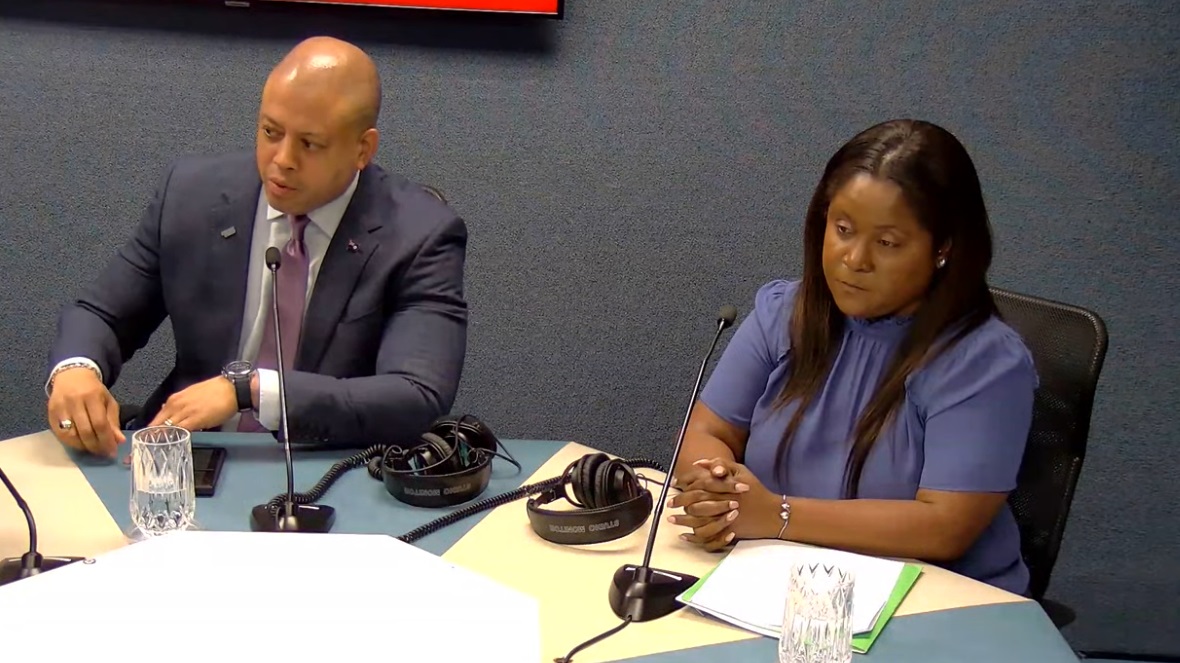
Trevor Gibbs, the ministry’s deputy chief officer, who appeared on Radio Cayman’s ‘For the Record’ show on Monday alongside Ebanks and Hurlston, outlined some of the main changes the regulations introduced.
Under the regulations, he said, emergency provisions were in place that would enable the department to provide immediate rental assistance and a deposit to applicants.
The maximum stipends available to applicants will increase from $1,800 to $3,000; food allowances will increase from $520 to $850; and utilities will increase from $500 to $600, Gibbs said.
He noted also that there have been changes to how households are assessed, in terms of how much money members of these households could earn before qualifying for financial assistance. Previously, if the total income earned within a household was $3,000, it could not qualify for assistance.
The new regulations allow for a tiered approach, he said, and the $3,000 income limit only applies to households with one to three members. Households with four to six members that earn under $3,500 will qualify for assistance, while those with seven or more members that earn under $4,000 will qualify.
In addition, there have been changes to the amount of savings a household can have while still qualifying for help. Households with older persons or individuals with disabilities can receive government assistance if their savings are less than $15,000.
There are also provisions that enable people to apply for assistance to buy cellphones or to pay for transportation, so they can be contacted by potential employers and travel to job interviews. Hurlston said this was in line with her department cooperating with Workforce Opportunities & Residency Cayman to help remove barriers to employment for Caymanians.
‘Not going to be easy’
Ebanks, speaking on Radio Cayman, acknowledged that implementing the changes to the legislation and to the newly named department was “not going to be easy”.
“We are here to upgrade a system and to … shift the mindset that if you are able, all of us should be contributing to this society,” he said. “Everybody has to do their part.”
Read the Financial Assistance Regulations here.
Related Videos