

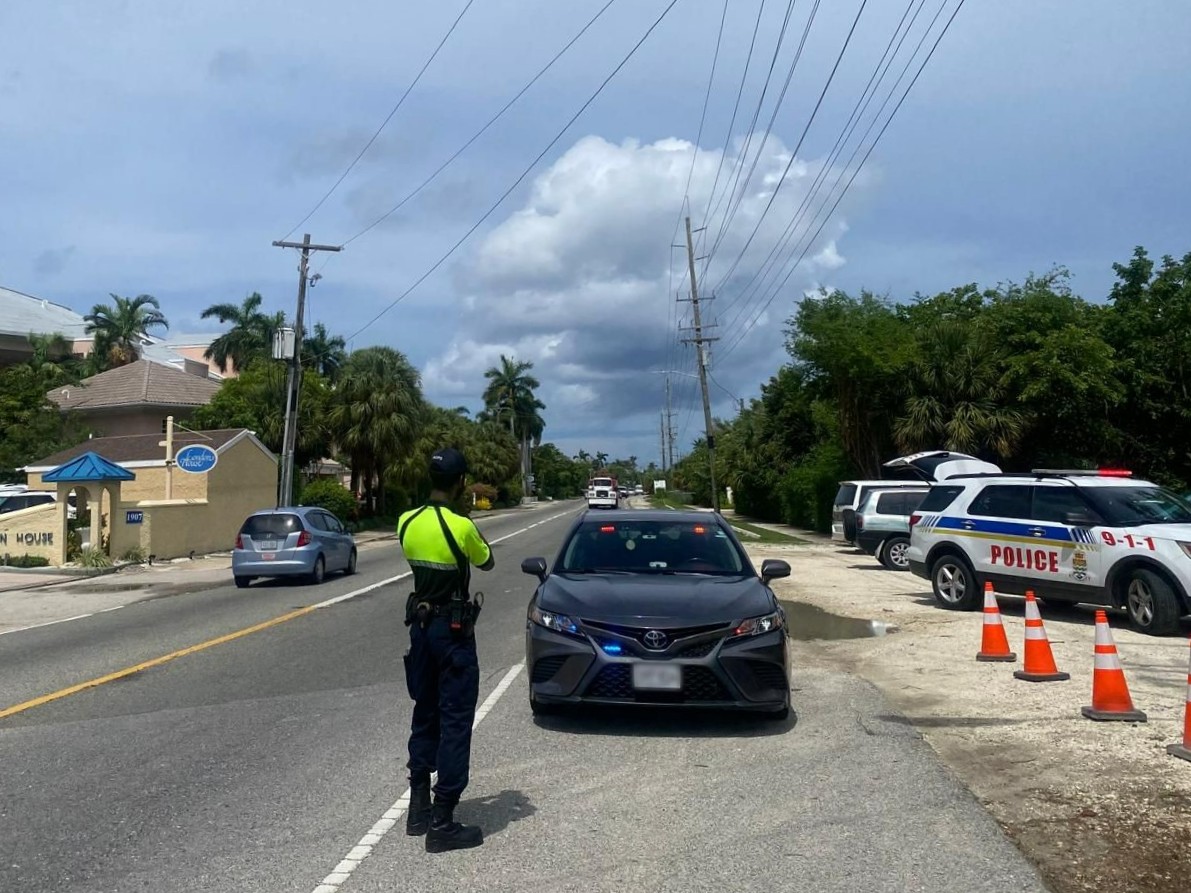
Collisions on Cayman’s roads continue to pose a challenge as in just 15 days there were 156 crashes, an average of 10 per day over that period.
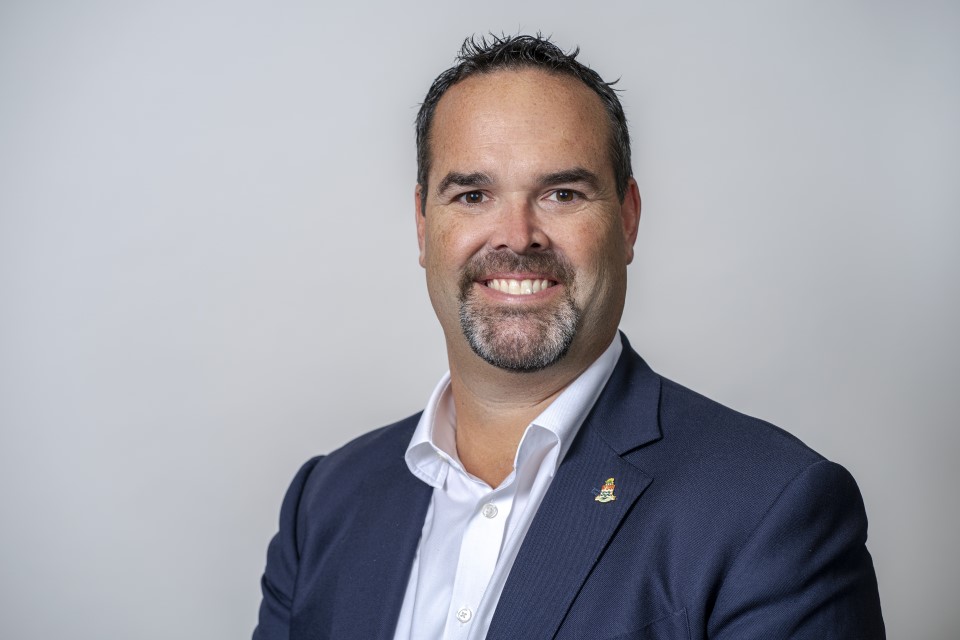
National Road Safety Committee chairman Eric Bush described the figures as “certainly troubling”.
“It highlights the ongoing road safety challenges we face here in the Cayman Islands,” he said via email as he reflected on the statistics released by the RCIPS Thursday as part of its Operation Clyro round-up.
Bush said that, as chair of the committee, addressing road-safety issues remains a “top priority”.
“While our zero-tolerance campaign has had some impact, there is clearly still more work to be done,” he told the Cayman Compass.
The RCIPS closed off the third phase of Operation Clyro on Monday, 14 Oct.
Tickets, DUI arrests
The RCIPS said during the final phase of the 15-day operation, 156 motor-vehicle collisions were reported to police while 18 individuals were arrested on suspicion of driving under the influence.
A total of 278 tickets were issued for speeding which included about 15 to heavy-equipment vehicles, it added.
Police also issued 422 tickets to drivers with unlicensed vehicles, with 34 citations for using a mobile phone while operating a vehicle.
In addition, 13 people were ticketed for driving without being qualified.
Bush said Cayman’s road-safety strategy includes a combination of legislative reforms, enhanced enforcement and public-awareness campaigns, and he is confident that legislative changes in the pipeline, particularly those aimed at tougher penalties for reckless and impaired driving, “will further support the ongoing efforts of our police and road safety officers”.
Among those legislative changes is the proposed introduction of a demerit system to penalise bad drivers based on the number of points they have accumulated for traffic offences, which could lead to the revocation or suspension of a driver’s licence.
The proposed system is among a number of Traffic Act amendments gazetted last month.
The amendments are yet to be debated in Parliament and it is unclear when they will head to the House.
However, while that process is yet to be completed, Bush said it is important to note that legislation alone will not resolve the issue.
“Consistent enforcement and a change in driver behaviour and attitudes are crucial,” he said.
The RCIPS, in response to Compass queries, said the majority of the collisions reported over the 15-day period were damage-only, while some involved only minor injuries/persons experiencing aches and pains.
“We are not aware of any serious life-threatening injuries reported as a result,” it said.
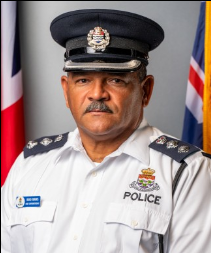
Chief Superintendent Brad Ebanks, speaking to the number of collisions in such a short period, said the RCIPS believes its campaign was successful in encouraging an increased awareness of road safety, and targeting poor driving behaviours.
“We have not noted an increase in collisions so far this year, however, we continue to urge the public make themselves aware of, and utilise, defensive driving principles, as detailed in a previous [press release],” he said via email.
That release spoke to driving defensively and being aware of what is happening on the road while driving, and particularly what’s ahead of a vehicle.
Bush said as for the effectiveness of the ongoing zero-tolerance campaign launched last year, the committee have observed a reduction in certain violations, such as speeding and drink driving.
“However, the frequency of Road Traffic Collisions (RTCs) suggests that issues like distracted driving, aggressive behaviour, and failure to adhere to road rules remain significant challenges. Public awareness and education efforts must continue to evolve to address these issues alongside more robust enforcement measures,” he said.
Though Bush said he did not have the precise year-to-date statistics on those collisions and injuries, he said that the rate of serious and fatal crashes remains a key concern.
“We are working closely with law enforcement and health services to monitor these numbers, which will help to guide the next steps in our road safety initiatives,” he added.
As Cayman approaches the holiday season, Bush said his message to the community is simple – “road safety is everyone’s responsibility”.
As a community, everyone must commit to safer driving habits including avoiding distractions, never driving under the influence, and adhering to speed limits, he said.
“The festive season is a time for celebration, but it should never come at the expense of a life lost on the roads. I urge everyone to drive with care, look out for each other, and follow the rules of the road so that we can all enjoy a safe and happy holiday season,” Bush said.
Related Videos










Can we please have signs on the dual carriageways reminding people to pass on the right only? This is in the highway code but it’s rarely followed. People driving in both lanes leads to others driving erratically, and passing on the left is dangerous for pedestrians.
it is truly troubling how dreadful the driving standards are here in Cayman. Agreed that people have no idea how to tackle a dual carriageway. Simple. Slow cars stay on left. Right lane should only be used for overtaking. I think people simply don’t know. Just like when I told a taxi driver that her lights were on full beam. She told me the other lights weren’t working. Two wrongs don’t make a right!