

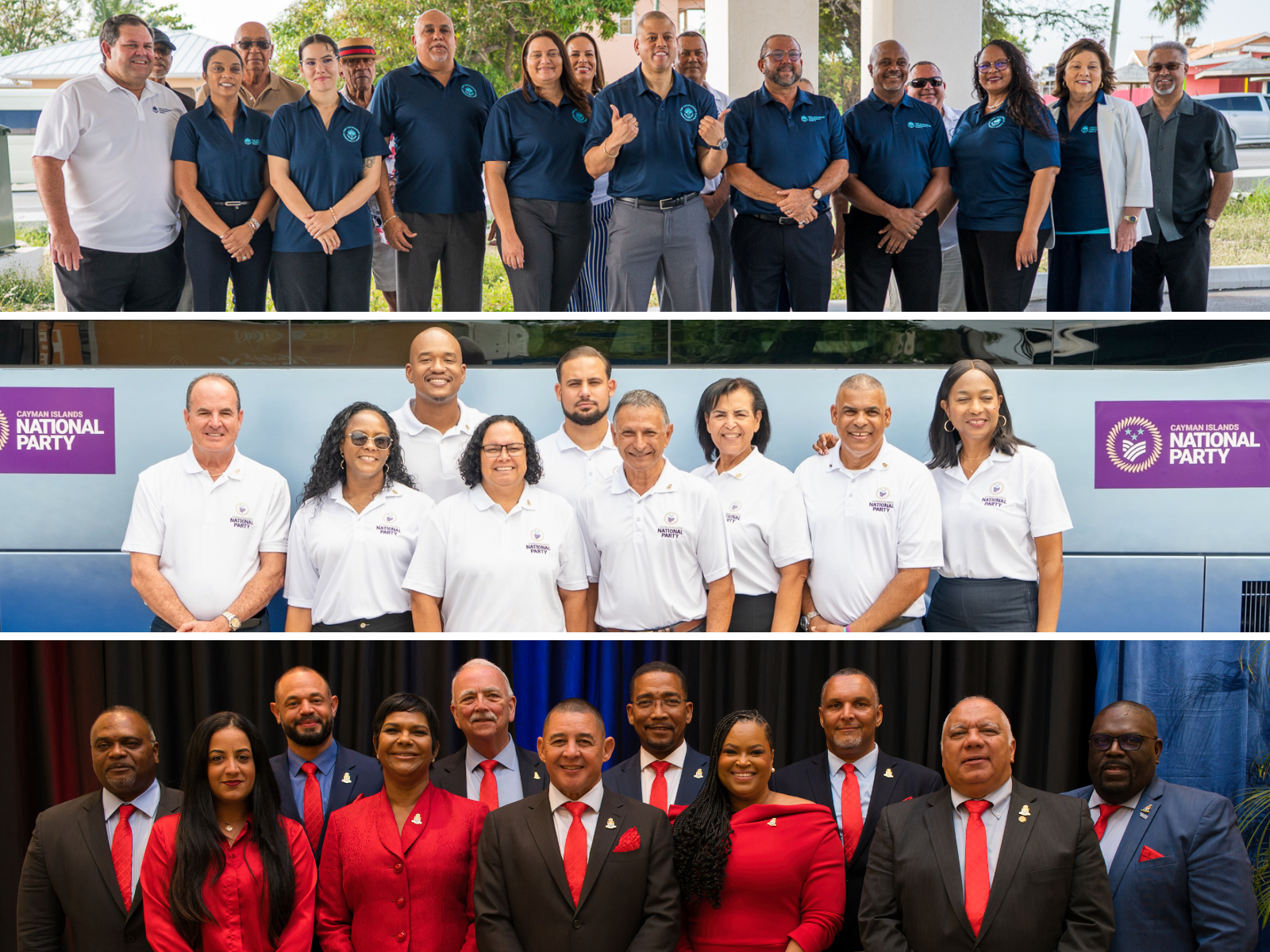
Part one of the election race is over. The scramble for candidates is complete and the line-ups in each district confirmed. Now the real battle will commence.
How they line up
- Total number of candidates – 59
- PPM – 13
- CINP – 12
- TCCP – 10
- Independents – 24
The path to power for any of the three main parties is complex.
And despite the tilt away from the ‘independent experiment’, there remains a strong possibility that this election could end, like the last one, without a clear winner.
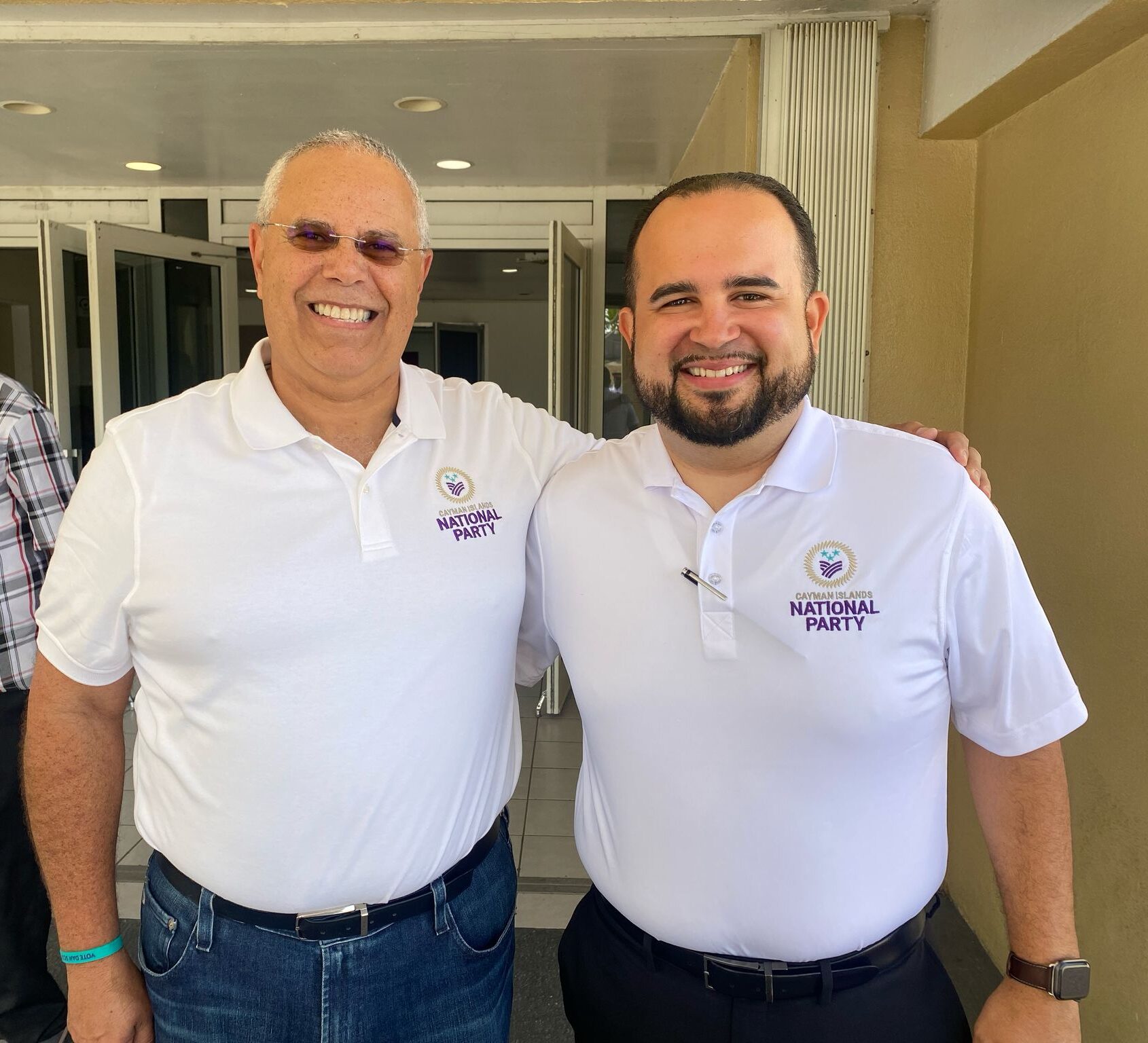
The Progressives have 13 candidates, the Cayman Islands National Party has 12, and The Cayman Islands Community Party has 10.
Beyond that, there is a significant core of independents – including several incumbent Cabinet ministers – who have a good chance of holding their seats.
With 19 total seats up for grabs, a minimum of 10 is needed to form the government.
The chances of any one party doing that without looking outside its group appear remote.
A coalition government of some kind is almost inevitable, and there is no guarantee that any of the three party leaders – Joey Hew, Dan Scott and André Ebanks – will end up as premier. Once the votes are in, history tells us that negotiations could lead to unexpected partnerships.
For the parties, let’s look at the best-case scenarios.
PPM target clean sweep
The PPM will have been warmed by the rhetoric from independents like Chris Saunders, who hailed it as a party of the people, and may feel that some of the unaffiliated candidates with the best chance of victory are leaning its way.
But experience is a brutal teacher. In 2021, PPM members were celebrating on election night after securing eight seats, confident in the belief that at least two additional MPs would help them form a government. But after a week of negotiations, they found themselves in opposition.
This time, Joey Hew’s new-look party has tried to get as many candidates in red shirts as possible. And while it went down to the wire on nomination day, the Progressives do look to have assembled a core group with strong chances in multiple constituencies.
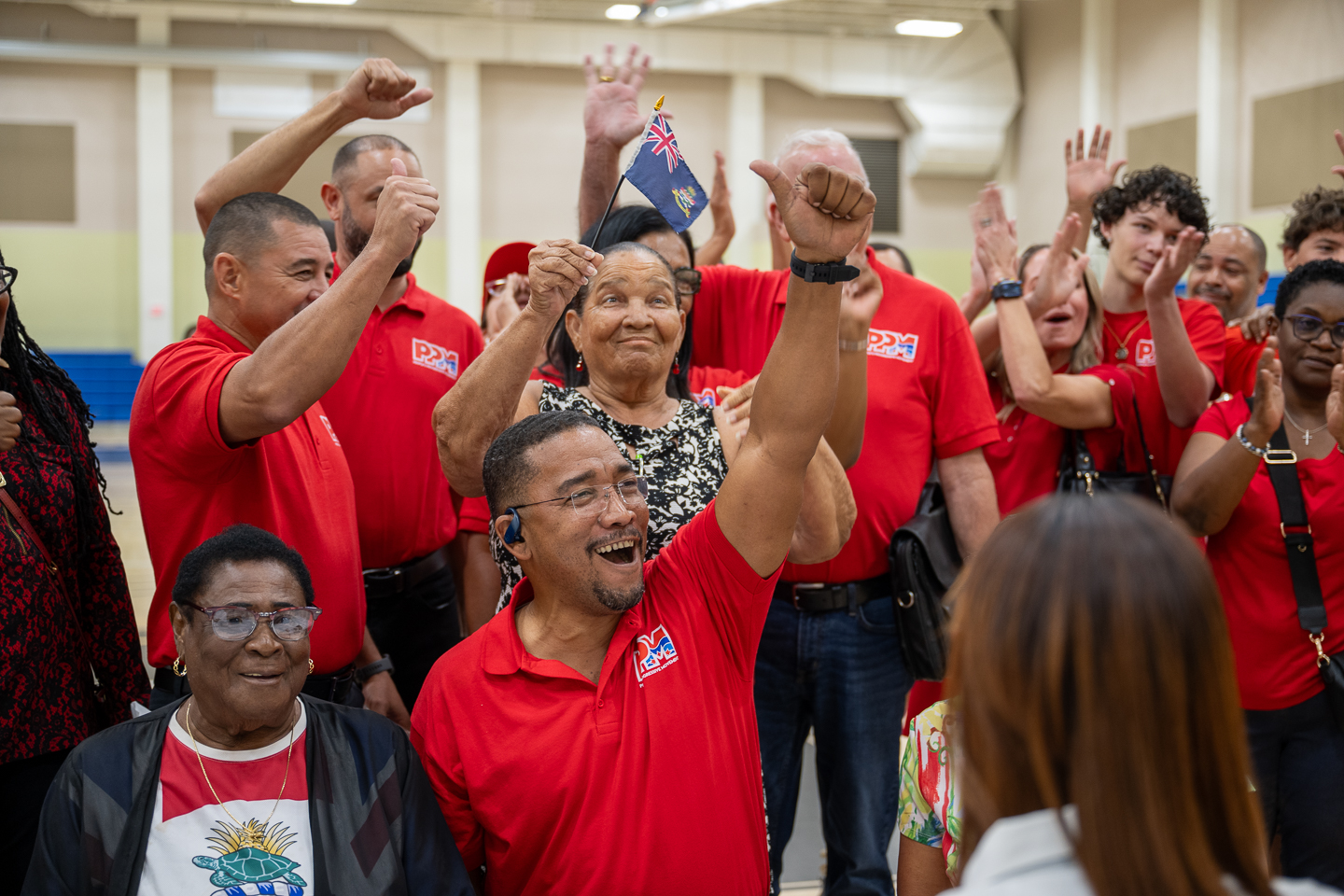
Some of the party’s key people – Joey Hew, Roy McTaggart, Kenneth Bryan, Dwayne Seymour and Juliana O’Connor-Connolly – are extremely well established in their districts. And newcomers like Roy Tatum, Craig Frederick and Pearlina McGaw-Lumsden inherit established Progressives constituencies from party figureheads.
Alva Suckoo has beaten Wayne Panton in Newlands before, and Donna Bush, a well-liked face from our television screens, may have a chance in Savannah. The most optimistic PPM supporters will believe that a ‘red tide’ can sweep the party back to power.
Of the three groups, the PPM would seem to have the best chance of making that happen without looking outside the core party membership. A viable plan B may be to get six or seven MPs into office and recruit from a friendly cast of independents or seek to poach from other parties to make it to 10.
Cayman Islands National Party banks on ‘change’ vote
For EY partner Dan Scott and his new party, the Sister Islands are the key to the election.
After appearing to have the momentum and a relatively open field in his own constituency, the Cayman Islands National Party leader now finds himself in a battle royale with the outgoing Premier Juliana O’Connor-Connolly, who has held the seat since 1996. Fighting for that must-win seat could limit his scope to campaign nationally.
If he and his Brac running mate Nickolas DaCosta can take those seats, it will be a good start. Even so, the route to a majority and to the premier’s office would require a string of amazing wins across Grand Cayman.
The party has sought to turn a perceived weakness into a virtue, batting away concerns about lack of experience and pitching itself as the party of ‘real change’.
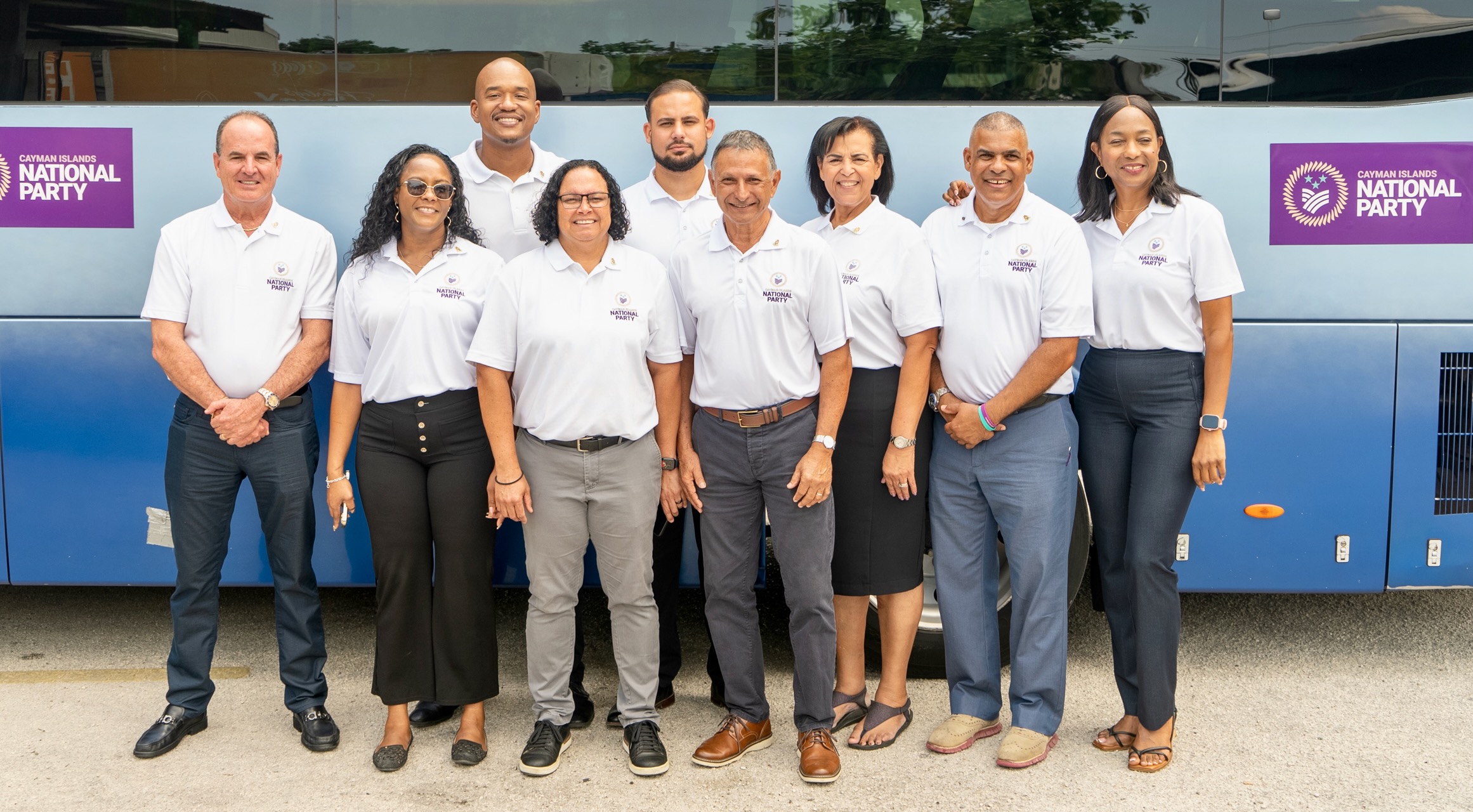
The likes of Craig Merren, Gary Rutty and Michael Myles are well known in their districts and have records of business success and public service to run on. Will it be enough?
It seems likely that Scott and his team, even if they have an exceptional night, will need to look for coalition partners if they are to form the government. There are independents that they could work with and there is also the possibility – depending on how the vote goes – of a grand coalition with one of the other parties, most likely The Caymanian Community Party.
The Caymanian Community Party looks for perfect 10
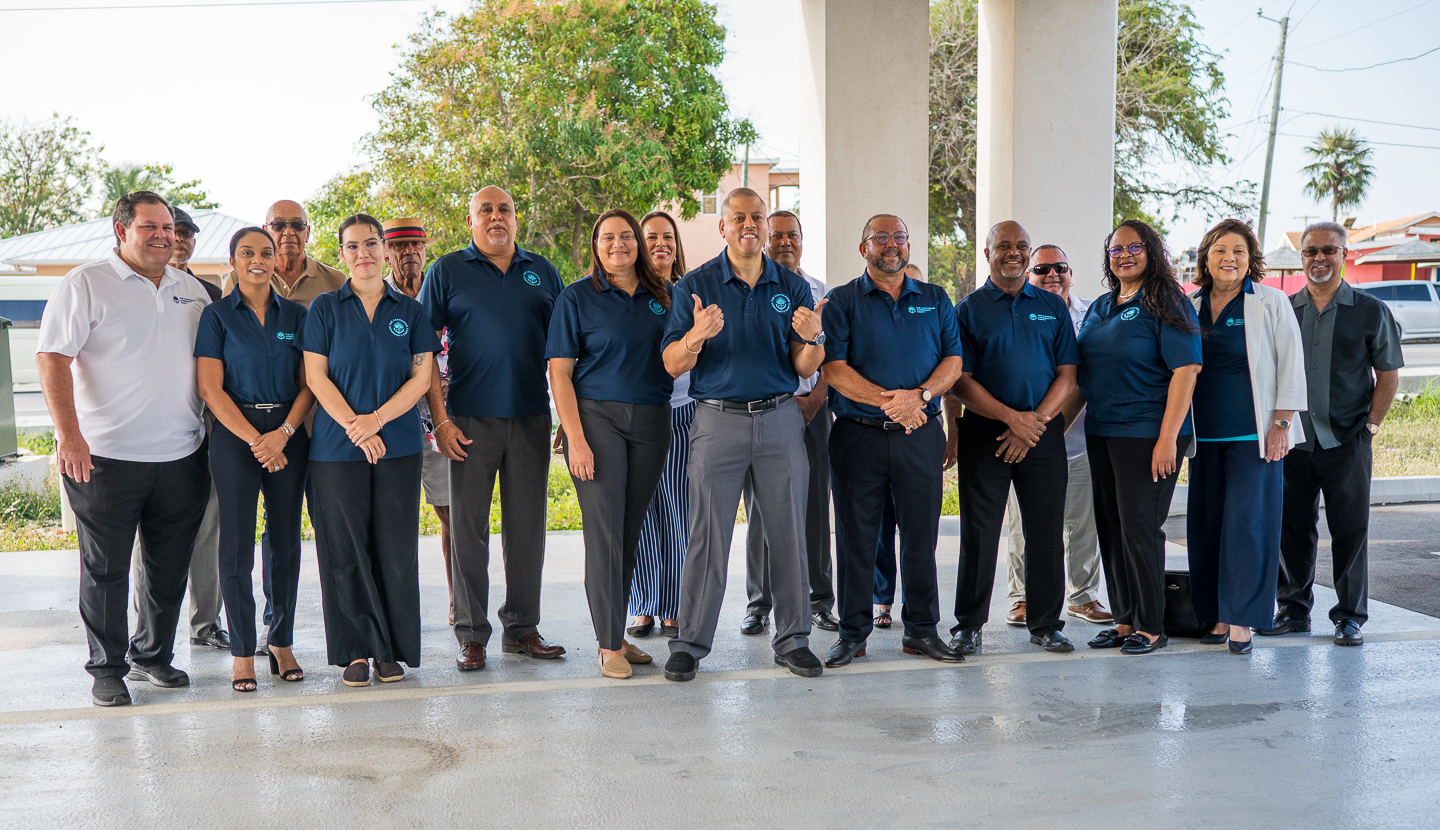
Backed by a swarm of supporters, The Caymanian Community Party put on a strong show of unity on nomination day.
Led by former Deputy Premier André Ebanks, and with academic Roy Bodden apparently in the fold, there’s some heft to the party, as well as frontline political experience.
That’s a mixed blessing in some ways because the party, with its ‘Enough is enough’ slogan, is seeking to position itself as offering a new path for Cayman, while simultaneously running four candidates who have occupied the highest posts in the land over the last four years.
On the plus side, André Ebanks and Katherine Ebanks-Wilks, in particular, appear extremely popular in their constituencies and the three other incumbents have shown they know how to win elections.
With the cohesion of a newly formed party and the obvious and well-aired differences with the government they left, the group does have the opportunity to stake out new ideological ground in this election campaign. And it can argue that – unlike last time – as a united party, it will be in a better position to put its ideas into action.
But the electoral maths is difficult for the TCCP, who would need to go 10 for 10 in the districts it is contesting to take the government. It too will need to start thinking about coalitions sooner rather than later.
Independents could be the kingmakers
Having started by saying the era of independents is drawing to a close, we have to now add an asterisk *Maybe it isn’t.
McKeeva Bush, Chris Saunders, Isaac Rankine and Jay Ebanks will all feel they have good chances to hold their seats. Rolston Anglin in West Bay North and Alric Lindsay in George Town South are serious contenders, who have won or come close before.
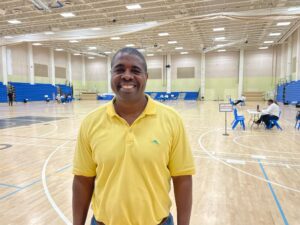
Beyond those six – there are 18 other independents in the race whose aspirations will range from getting the 10% of the vote required to get their $1,000 deposit back – to being part of the next government.
How they will align is anyone’s guess. But it is absolutely conceivable that independents could take as many as six seats – something that would give them a key hand in coalition talks.
So where does that leave us?
The transition from a field of candidates running on independent tickets to one dominated by parties doesn’t necessarily mean we will avoid the post-vote horse trading that took place in 2021, when rival coalitions formed and fell apart in the space of a few hours before the PACT administration was installed a week after the election. That set the tone for a chaotic four years, where we had two premiers, four deputies and three Speakers.
There is nothing to stop that happening again, warns Austin Harris, a former candidate for the PPM and host of the Straight Talk radio show.
While he supports the formation of parties and is hoping to see a different type of election this time around, he believes the numbers don’t add up.
“I think it will be a coalition of some kind,” he said, noting that it will be a simpler process if there is a clear winner among the three parties.
“There are a lot of ‘alphas’ in the mix, so the coalition process is going to be a challenge, unless one of the groups has some kind of numerical superiority. If it’s a deadlock, they could be negotiating for months.”
Where do the most likely alliances lie?
From what we see and hear, the most likely alliances appear to be between the PPM and some of the incumbent independents and/or some form of partnership between Scott’s party and The Caymanian Community Party.
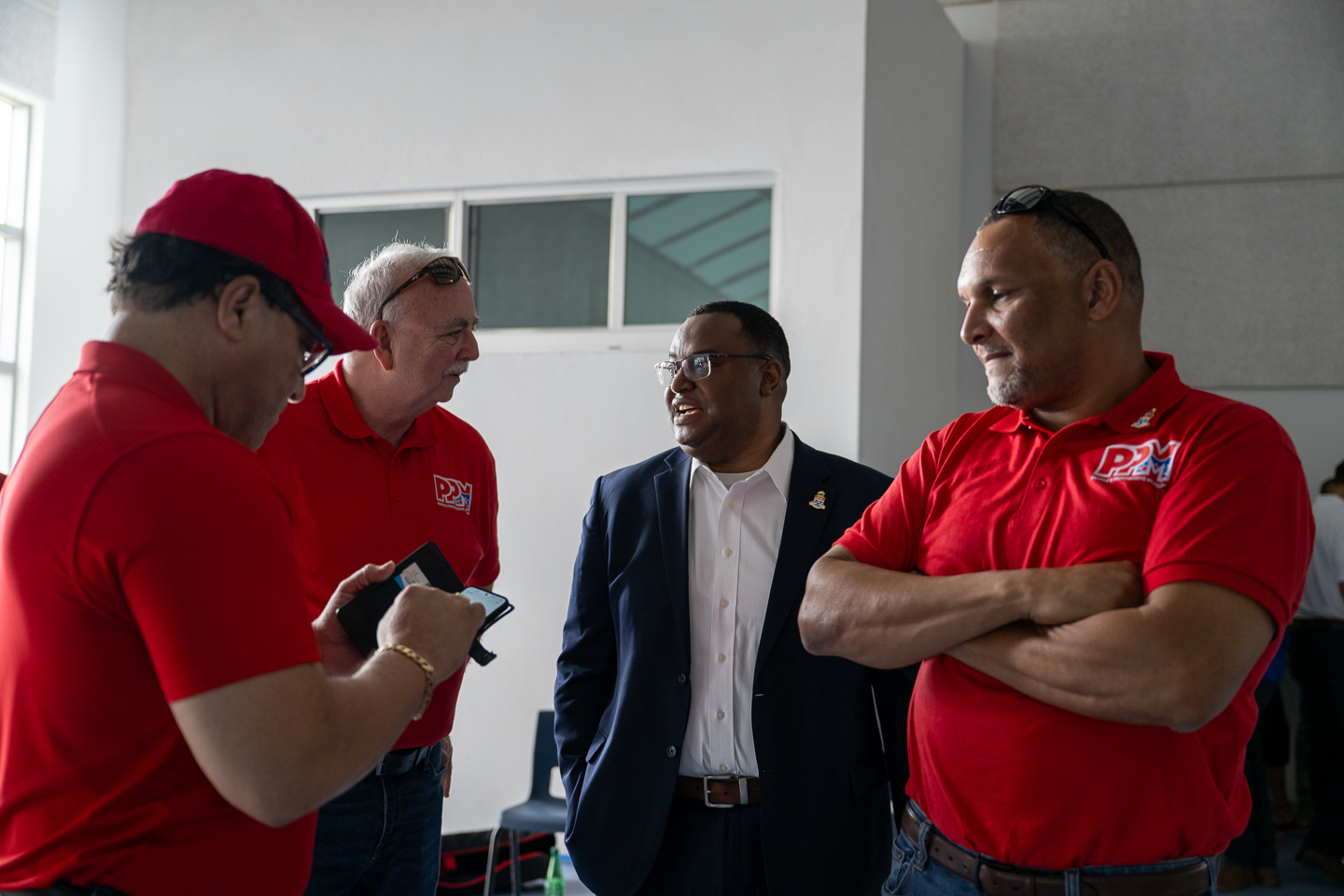
“Chris Saunders has publicly stated that he will only work with the PPM, and it’s possible that others like Rolston Anglin and Isaac Rankine could align with them if they are successful in their own constituencies. A scenario like this could give the PPM a solid chance of making up the numbers if needed.
“However, when it comes to independents, any number can play after the count – they aren’t beholden to anyone, and will ultimately go where they feel the better deal is,” said Tammi Sulliman, Compass political correspondent.
“Some form of partnership between the CINP and the TCCP will likely be necessary if either are to get to 10.”
How that shakes out and who is in the driver’s seat in those negotiations would likely come down to who gets numerical superiority.
“There seems to be an unspoken non-compete arrangement between the CINP and the TCCP in certain constituencies – West Bay, Savannah, and the Sister Islands – suggesting they recognise the need to work together if either hopes to reach 10 seats. Whether they can form a coalition will likely depend on which group secures numerical superiority and who ultimately leads those negotiations.
“And, of course, it remains to be seen which of the expected ‘negotiators’ will win their seats, as I anticipate tough fights, tight margins, and split votes to be key factors, particularly in constituencies with a large pool of candidates or a smaller number of voters,” said Sulliman.
The chaos theory
There’s another scenario. Let’s call it the ‘chaos option’.
What if no one gets close to 10?
Let’s consider this hypothetical: What happens if the PPM secures six seats, the TCCP gets five, the CINP takes four, and four independents – hypothetically, Rolston Anglin, Chris Saunders, Alric Lindsay, and Jay Ebanks – hold the remaining seats?
Mix that around any way you like, and it is difficult to see a smooth route to an obvious coalition. The party system has evolved, in part, out of a desire to avoid post-election deal making, but it is entirely possible that this could still be necessary and complex.
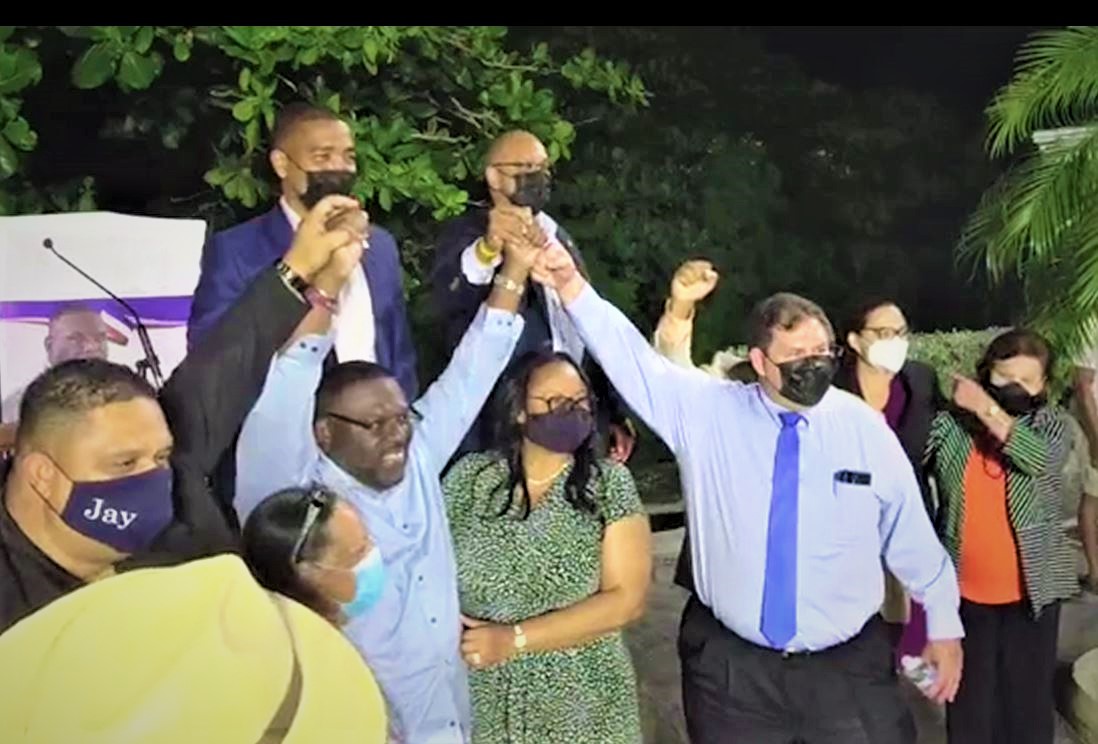
“In that case, negotiations would be intense, and forming a government would require serious deal-making, with independents holding the balance of power. Alignments could shift quickly as each side scrambles to piece together a majority – effectively, a replay of the last election,” said Sulliman.
“However, while it is a distinct possibility, I don’t believe the chaos scenario is the most likely outcome. The hope is that voters have learned from 2021 and will cast their ballots with the entire jurisdiction in mind, not just their constituency’s immediate needs.
“I expect one of the three parties to emerge with some manner of a majority, though it may not reach the crucial 10 seats outright,” said Sulliman.
What to watch
The race is only just beginning.
The three main parties have a series of events and campaign launches over the next couple of weeks and we expect to see their manifestos in short order.
With multiple seats in the balance, there will be an opportunity for new parties and candidates – who may represent something of an unknown quantity at this stage in the game – to impress voters with their vision. We may also see some of the independents more closely align with one or other of the parties.
There are few doubts about what the issues are – cost-of-living and quality of life, anxiety over growing population, infrastructure priorities like the cruise port and the landfill, crime and the economy and equality of opportunity for Caymanians – are central talking points.
In some respects, says Harris, who was last on the airwaves in 2015, resuming earlier this year after a decade-long hiatus, not much has changed.
“I could really just pick up the script and start talking about the same things,” he said. “We all know what the problems are. What I am hoping to see in these manifestos is real solutions.
“What are you going to do and how are you going to get it done? That’s where the parties can distinguish themselves in this next phase of the race.”
* The Compass interviewed multiple candidates and voters as well as current and former politicians to help inform this analysis.
Related Videos









Election for a PM?
I wish there was 2 votes. One vote for a PM and then another vote for our district leader.