By Yaremis Hydes, guest columnist
Underinsurance is a risk that becomes very visible, very quickly in the event of disaster. It occurs when the insured value is insufficient to cover the rebuild cost of a property in the event of a fire, hurricane or major catastrophe.
It is becoming an increasing concern in the Cayman Islands, particularly in the current environment of high inflation and rising costs for imported construction materials. These factors are driving up replacement and rebuilding costs significantly year-on-year and the true replacement value of many properties has increased significantly.
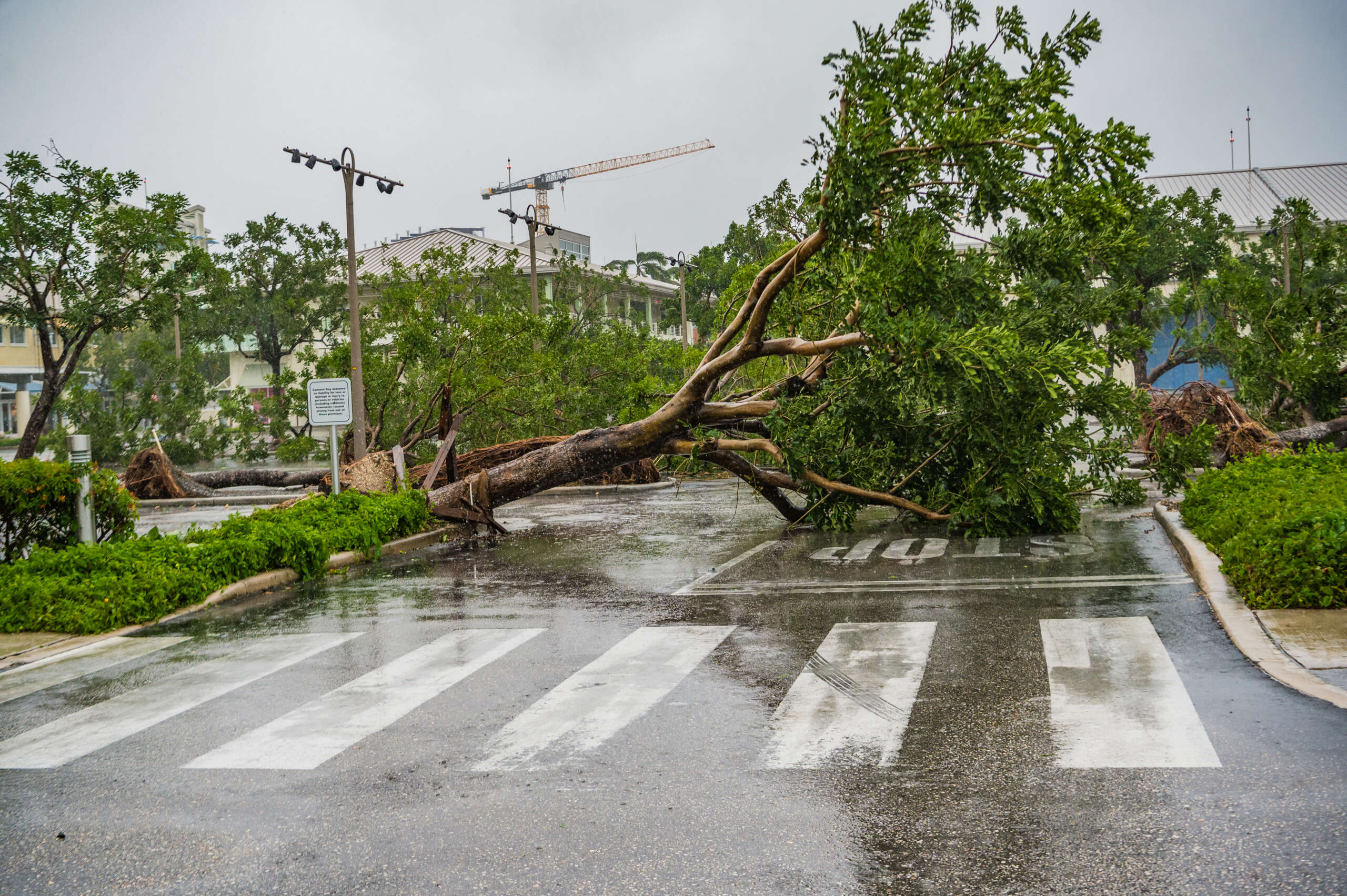
At the same time, temperatures are rising, and the risk of natural disasters – particularly hurricanes – has never been more unpredictable. These changing climate conditions are putting additional pressure on property owners to ensure their insurance coverage is both adequate and up to date.
We believe that, due to these combined factors, many properties in the Cayman Islands are currently underinsured. This means their insured values may fall short of the actual cost to rebuild in today’s market, leaving owners financially exposed in the event of a serious loss.
The aim of an insurance policy is always to put you back into the same financial position you were in before the claim occurred. Imagine losing your property only to find the policy you trusted will only pay out a fraction of what you thought it would.
Steps to safeguard against underinsurance
- Update your property valuation: Carry out an insurance replacement cost property valuation at least every three years to consider inflationary-linked changes to the cost of labour and materials.
- Review sums insured: Build a full picture of risk across your entire property, including contents, machinery and plant exposures to ensure your policy covers the total value of your assets.
- Stay in touch with your broker: Too often we only speak to our broker when we take out a new policy or renew an existing one. This is a common mistake. Your broker can ensure that your cover is fit for purpose at every stage of the policy lifecycle.
- Check and understand your average clause statement: We all skip the fine print, but understanding your average clause is vital. In the event your property is underinsured, the average clause would operate to reduce the payout you receive to match the level of cover you’ve been paying for. The average clause calculation is (Amount Insured / Actual Rebuild Costs) x Claim Amount = Payout Amount. So, for example, if a property is insured for $300,000 but has a rebuild cost of $500,000 and damages to the property total $200,000, the average clause would mean the homeowner only receives $120,000 before deductible (or excess) is applied – that’s quite a shortfall.
Underinsurance can have serious financial repercussions, education and preparation are your best line of defence to protect your financial security should the worst happen.
Yaremis Hydes is the managing partner of Consilium Insurance Brokers Cayman, which is part of the Aventum Group.
Related Videos