

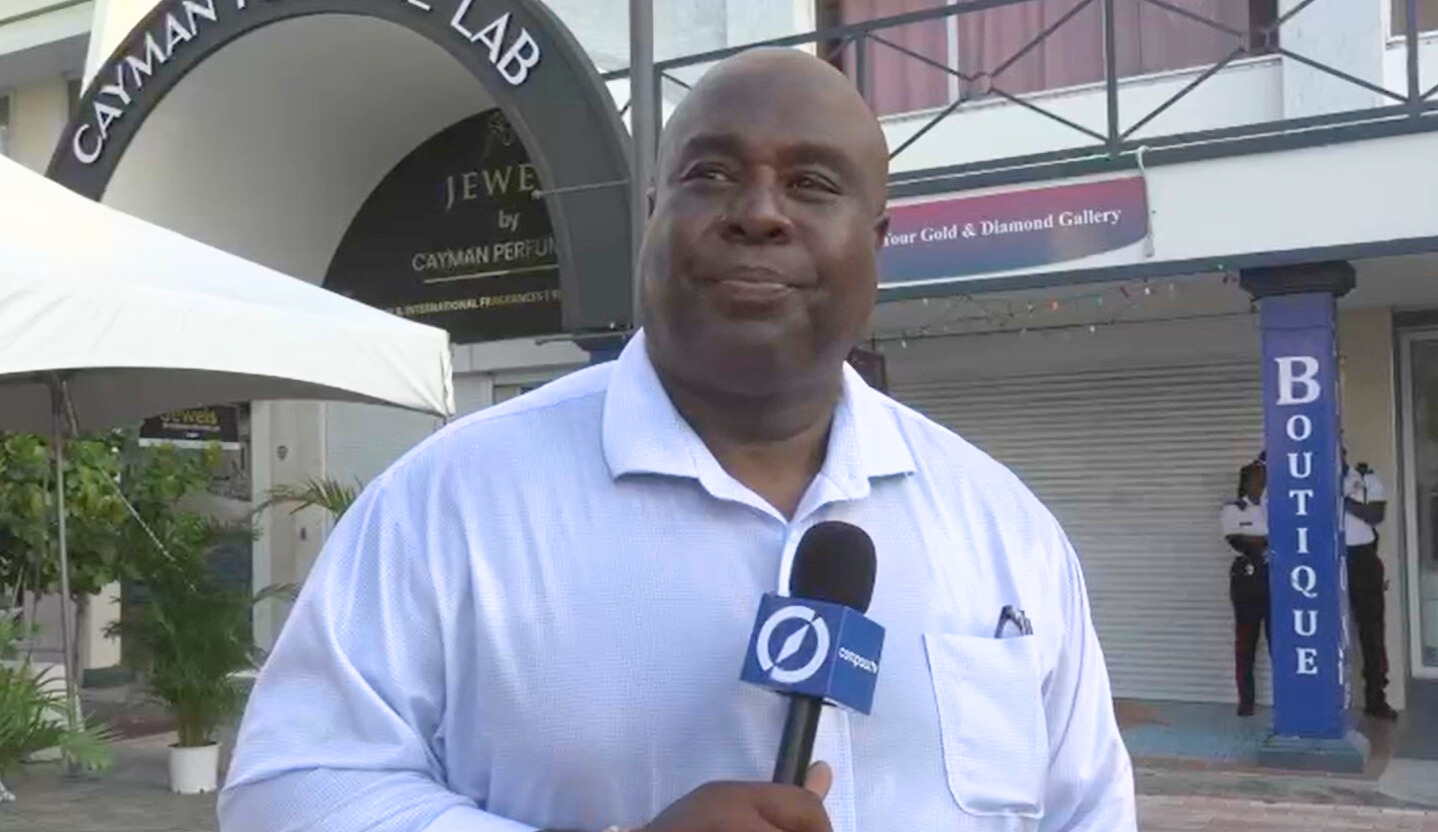
The coalition government says it is on track to bring back legislation to “protect our way of life” and to reset the balance between expats and Caymanians.
That could mean a return to the Caymanian Protection Law, which was originally introduced in 1971 and regulated who could live and work in the Cayman Islands. It also ensured that people had to meet certain criteria – such as being born in Cayman to Caymanian parents or having long-term ties to the islands – to be officially recognised as Caymanian.
First phase
The legislation was repealed and replaced by the Immigration Law in 2003 but, speaking at the celebration of 100 days in government last week, Minister for Caymanian Employment and Immigration Michael Myles said a return to the act was part of government’s plans on immigration reform.
He said the first wave of immigration reform will come into force in October with later phases planned further down the line.
“We’re going back to the Caymanian Protection Act,” Myles said.
“The goal is that Caymanians have to be protected. Fifty years ago, we had a legislation that protected Caymanians. We’ve gotten rid of it because we turned immigration into a bank. It can’t be that. It has to still be a protection for people and a screening instrument to protect our way of life.”
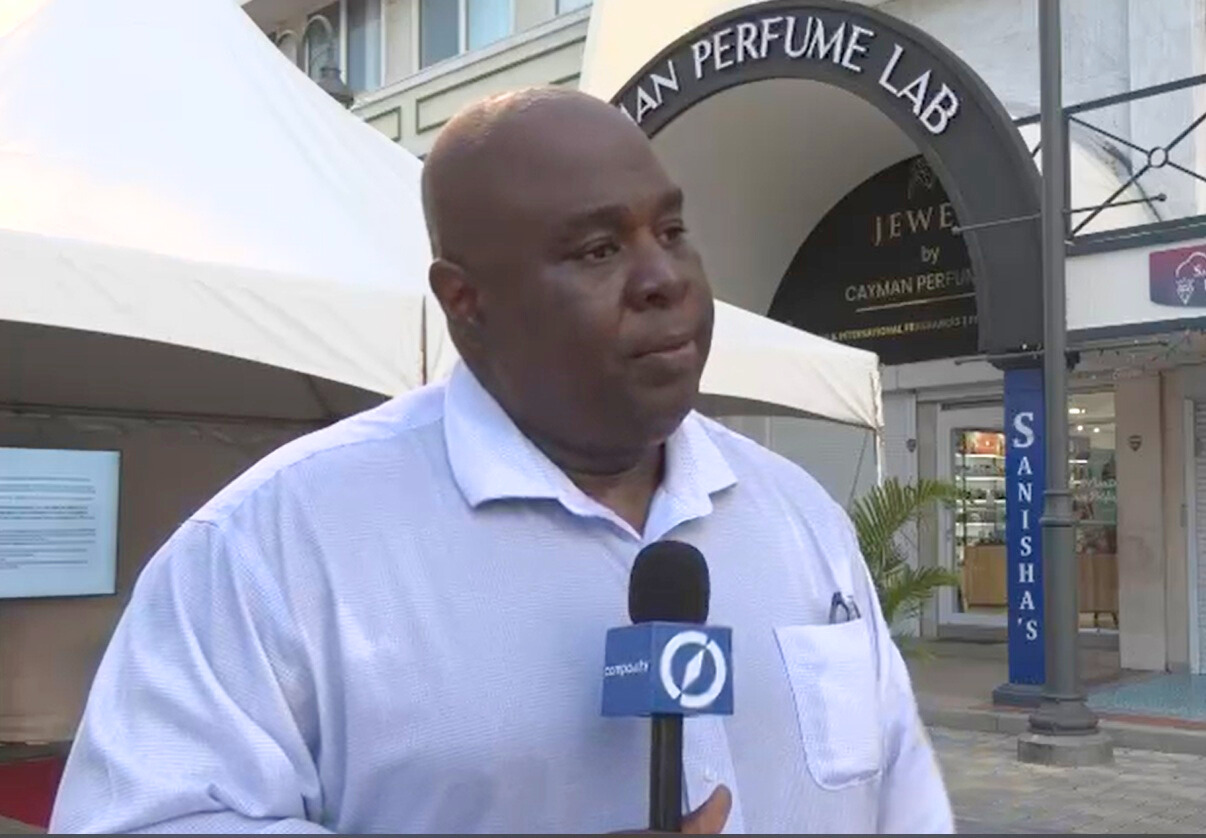
Myles said that the plans were part of major immigration and employment reforms by government over the next few years, with his ultimate goal being employment for every Caymanian.
With 40,000 work permits in the Cayman Islands, Myles said that he was not talking about replacing every expat in the country. He said, however, that while government spends tens of millions of dollars every year on making sure young people receive a tertiary education overseas, they struggle to find employment once they return home.
“We’re spending upwards of $35 to $40 million on educating our children and they’re coming back to our country and they can’t get employment,” he said.
“That’s simply wrong. And it’s not that they are not qualified or lack experience. What we are simply doing is prioritising business over our people, and we can’t continue to do it that way.”
Work ahead on Caymanian protection
While he said that much had been achieved in the first 100 days of government, there was still a lot of work to be done, including resetting the balance between expats and Caymanians.
“I’m not going to apologise for being pro-Caymanian,” he said.
“I am not anti-expat, but I have seen the depths of our country, and it doesn’t look great, when I have parents, grandparents and young people calling me telling me that [they] not only can’t find a job, that they are living in squalor. You think the people on Public Beach care about that stuff? They don’t … The only time it bothers them is when someone is kicking down their door, and now they’re calling the government for more police officers.”
He pointed out that government spends millions of dollars on welfare in a country that is one of the world’s financial centres.
He added, “When I see those figures, it’s staggering. So our responsibility now as a government is to even the playing field and balance it towards Caymanians winning, not the other way around.”

Myles also had some direct words for the hospitality industry which, he said, should employ more Caymanians rather than recruit from overseas.
“We have almost 500 jobs coming online at Grand Hyatt,” he said.
“Who’s going to fill them? If we don’t ensure that those jobs are in play for Caymanians, then just think about the traffic jams, the food insecurity that we’re already facing, the congestion that we have on our roads, and the housing shortages.”
Companies had to look closer to home to fill vacancies, he said, and offer the same benefits that are offered when recruiting from places overseas.
“And when we don’t do that, we’re cheating the Cayman Islands people.”
Government has already increased the minimum wage level to $8.75, which will come into force at the beginning of next year. The hospitality industry is being allowed to use gratuities to top up wages to the legal amount for the time being, but, Myles said, that will taper off in time.
“The Cayman Island Tourism Association either have to get on board or become extinct,” he warned, “because what I’m not going to have is them telling me that you need gratuities to balance your books.”
Related Videos











“We’re spending upwards of $35 to $40 million on educating our children and they’re coming back to our country and they can’t get employment,” he said.”
We as Caymanians send our kids abroad to be expats and be taught by other countries because we can’t educate them here.
Cayman needs to pay Caymanian hospitality workers $20-30 an hour.
Mr Myles is the most anti expat person I’ve seen in the government in 20+ years drawing a divide between us and expats.
I’m very afraid as a Caymanian business owner he will do more harm then good. It may be very soon there won’t be people to do jobs. A lot of the time, my fellow Caymanians don’t want to work so I’m not sure where all these people are that are educated and want to work.
Lastly, if someone has been here and contributed, they should have a right to be Caymanian, not just Michael Myles himself.
The guy can’t even fix the traffic on island.
Its harder and harder to find expat workers with the cost of living and honestly there aren’t Caymanians to fill lots of these jobs from cleaning toilets to educated positions. Please let me know where all these educated Caymanian job seekers are that are higher talent than expats or do I just hire- not the best talent and have to settle for what Michael Myles thinks is best in his mind?
Why does Myles think that Caymanians can’t get jobs?
to “protect our way of life”. Can someone please clarify what it is.
Also, half of today’s jobs could vanish sooner than everybody believes.
What steps CIG is taking to prepare for AI’s impact on the workforce?
Frankly, AI invasion not just frightens, it terrifies me. More than wars, viruses and natural disasters.
Today’s focus is to reset the balance between expats and Caymanians, yet it should be about balance between AI and humans. Destabilizing effects on societies worldwide, including Cayman will be catastrophic.
I hope as Businesses are made to ensure they hire Caymanian – which many do – that the unemployed Caymanians step forward for these jobs. Government needs to push the people as well.
I know dive companies that would love to have local dive masters instead of looking over seas
If it is so difficult for qualified Caymanians to get jobs here, how about trying the U.K?. No work permit needed, free health treatment, free education for dependents, but unlike illegal immigrants they will not get free hotel accommodation. The UK has given all born Caymanians the right to have a full British passport, and that’s available immediately without having to wait 22 years.It’s an opportunity to try a different way of life and if it doesn’t work out they can always return to Cayman.
Kudos to Minister Myles for his actions and intentions so far. A higher minimum wage is a good step towards attracting
Caymanians – an increase up to at least $10 per hour over the next 7 years might be even better.
However, the favoured reason used by some employers that some Caymanians are unreliable or tardy workers is real. Until those attitudes are squashed, some Caymanians will still find themselves unable to find employment.
Not sure how to fix the entitled attitudes of some but they were created by Jim Bodden’s politics, encouraged by McKeeva Bush’s politics, so I hope they can be positively addressed by Minister Myles’ politics.
I would add, there seems to be reluctance for our unemployed or underemployed Caymanians to even apply for jobs when posted. This is just a fact. I think there must be some process to help us identify suitable jobs for those that feel they are not given a chance. let’s just work on that. One by one if we have to.
I’m not sure Myles is competent for the job. From what I hear, practically every grant application has been made far more difficult than it should be to approve – to the point that it is becoming difficult for businesses to operate, even when there aren’t suitable Caymanians applying for the jobs. I have even heard cases where business owners have had their work permits declined. He says he is not ‘anti-expat’ but what he is doing strongly suggests different.
He doesn’t seem to have economic or commercial understanding – at this rate, we’ll be likely to see businesses close and jobs outsourced to different jurisdictions, losing government revenue and salaries that should be earned and spent here, be sent elsewhere.
Whilst immigration regulations need to tighten up, Myles does not seem to be on track to find the right balance.
Well said Kerith. It is unfortunate that we have that attitude but I also agree and have seen it in person that Caymanians, fully qualified Caymanians, are put to the end of the list when applying for jobs. I hear the “lack of experience” excuse but how are they going to receive experience unless hired – the chances of them getting hired overseas is slim to none.
If it’s thought that Cayman is the only place in this day and age doing the same thing for its people they are sadly mistaken.
As a business owner, I firmly believe in the importance of prioritizing the hiring of Caymanians. Supporting our local workforce not only helps our people and contributes to the growth of our country, but it is also a more cost-effective approach by avoiding the need for work permit fees and the complexities of that process.However, over the years, I’ve observed a concerning trend: many Caymanians we have employed have struggled to maintain long-term success within our organization. This is an issue that deeply concerns me, and I believe it’s one we must work together to address.Some of the recurring challenges I’ve encountered include:
– A sense of entitlement that conflicts with the company’s policies and procedures.
– A lack of commitment to punctuality and consistency, with attendance seemingly based on convenience.
– A reluctance to take the job seriously or demonstrate a desire to excel in comparison to expatriate employees.
It’s no secret that there is frustration among some Caymanians about the employment of expatriates. However, if we want to reduce our reliance on expatriates, we must collectively raise the bar and showcase the talent, dedication, and professionalism that Caymanians are more than capable of delivering.I believe that with the right mindset and commitment to excellence, we can break through these challenges. By adhering to company policies, taking pride in our work, and striving to be the best, we can pave the way for more Caymanians to secure and thrive in local employment opportunities.Until we address these issues, I am certain that many companies will continue to favor expatriates, not out of preference, but out of necessity. As a community, we need to work together to change this narrative and create an environment where hiring Caymanians is not only a priority but also a long-term success for both employers and employees alike.Let’s take this as an opportunity to reflect, grow, and commit to bettering ourselves and our community.
Perfectly stated.
All 4star and 5star hotels need to have their own employees bus service, to mitigate the road traffic.
Hotels should have majority Caymanian employees, on the front service, Caymanian should the face on guest relations, LP’s, not like most are expats on the front, at information counter, servers at restaurants, LP’s.
Front liners should be Caymanian.
Abolish work permit being attached to spouse’ work permit to extend their stay.
Heavier penalty to those doing part time jobs, this is very rampant now adays. Cleaners, babysitting, nails and hair, massage home service , some holding a permit without actual work, they just do home service for hair nail and massage. Give rewards to tipster, so immigration can catch these people.
I never forget many years ago, Capt Eldon was strongly criticized for employing so many Philippinos at Kirk Market as opposed to locals, and he let fly with an immediate broadside giving a host of reasons why. There were no more complaints.
Many years ago there were not many Filipinos in Cayman and I certainly don’t remember them at Kirk Market.
Ralph W – I can assure you many years ago there were mostly Phillippinos employed at the new Kirk supermarket. Check the Compass archives you will find the letter there. How long have you lived here?, I arrived here in 1969.
This change in the immigration law sounds fantastic and long overdue! Obviously I presume all Caymanians in favour of this will immediately give up their British passport 🤔
Agreed. Like as if we will give up our British passports but we laugh at British people who want to work here withal a law degree. It’s backwards thinking by MM.
This is a topic that will create more divide among everyone. Wait for the UK to have to get involved. People forget:
When McKeeva Bush was Leader of Government Business (the role now called Premier) in the early 2000s, there was a highly controversial decision to grant a very large number of Caymanian “status grants” (the right to permanent residency and Caymanian status). This happened in 2003, during his administration under the UDP.
Here’s why it happened and why it was controversial:
1. UK Pressure on Immigration Laws
The UK had raised concerns that Cayman’s immigration system was unfairly restrictive and could potentially breach human rights standards.
Many long-term residents, some of whom had lived in Cayman for decades, were working, raising families, and contributing to the economy but had no security of tenure. They could legally be forced to leave after years of contribution.
The UK signaled that Cayman needed to regularize the situation of these long-term residents.
2. The Mass Status Grants (2003)
Instead of introducing a gradual and transparent process to grant status to qualified long-term residents, Bush’s government issued around 3,000 Caymanian status grants at once.
This was unprecedented — in previous years, the number was usually in the low hundreds at most.
3. Criticism & Backlash
The move was heavily criticized as politically motivated.
Many Caymanians felt it was rushed, lacked fairness, and was done without proper consultation.
Allegations arose that many of the recipients had political or personal connections to UDP members.
Some Caymanians worried about the social and cultural impact of suddenly enlarging the Caymanian electorate and workforce.
4. Aftermath
The event remains one of the most controversial chapters in modern Caymanian politics.
Later governments tightened immigration and status-granting processes to prevent anything similar from happening again.
Even today, “the 2003 status grants” are remembered as a turning point in Cayman’s debates about immigration, identity, and political trust.
HISTORY WILL REPEAT ITSELF AND THE UK WILL BE PULLED INTO THIS ISSUE
The Ministers goal to find employment for every Caymanian leads me to question his judgement. Too many of our politicians are primarily seeking votes rather than governing the country in a sensible and practical way for the benefit of all , and that includes expatriates.