

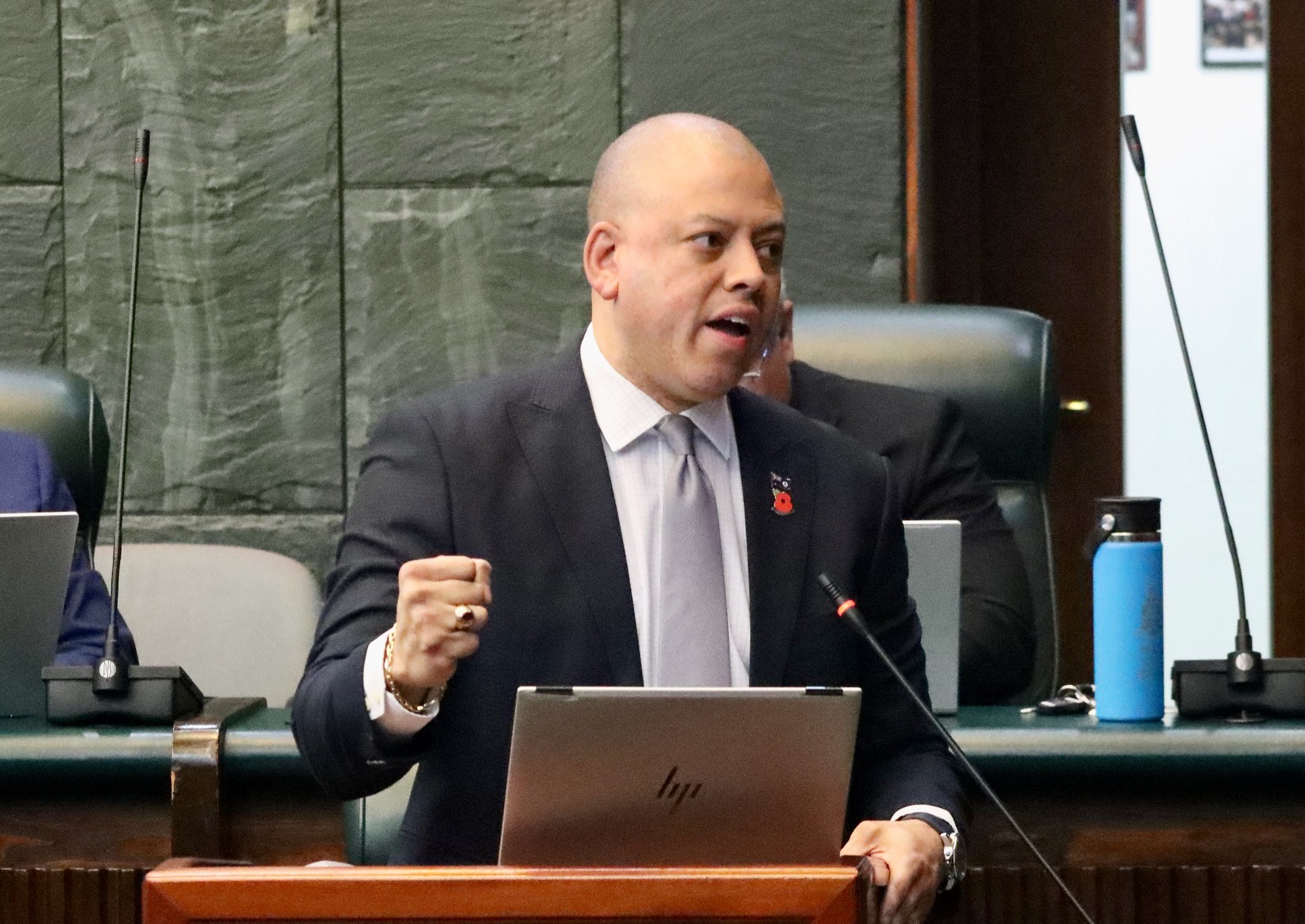
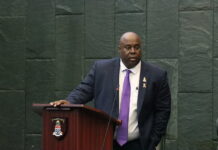
Government has announced a record $2.5 billion spending plan for the next two years, which Premier André Ebanks described as a “transformative blueprint for a stronger, fairer Cayman”.
The premier announced increased spending on healthcare, education and training, as well as additional funding for social housing and financial assistance as the National Coalition for Caymanians presented its first budget on Thursday, 6 Nov.
He said previous governments had prioritised “balance sheets and bank accounts” over social progress, and insisted this budget would be a “turning point” that helped put Caymanian families first.
Ebanks also trailed proposed increases in fees for the financial services sector and on stamp duty for “high end properties” among a package of new revenue measures expected to bring in $172 million over the two-year budget period. Specific details of those increases were not immediately available Thursday and may require additional legislation.
The premier insisted the budget would fund government to confront challenges that he said had been neglected for years.
“The challenges we face did not arise in a single term … They are the result of years of complacency, deferral and political convenience – big problems kicked down the road,” he said.
“The cost of living beyond ordinary earnings, young Caymanians locked out of entry-level opportunities, older Caymanians with woefully inadequate retirement income, neglected infrastructure and weakened social cohesion,” he added. “As a country, as a people, we cannot afford to ignore or delay positive action any longer.”
Some of the key figures and announcements in the government budget statements included:
- Total projected spending of $1.25 billion in 2026 and $1.29 billion in 2027
- Borrowing of $236 million to help fund capital projects
- New revenue measures to include additional stamp duty levy on luxury property
- Spending on education hits $250 million, almost one fifth of the budget
- Largest infrastructure allocations for roads and schools
- Other projects – including subsea telecoms cable – will be pursued through public private partnerships
Ebanks insisted government’s record-breaking spending plan was responsible and targeted at the right areas – specifically, healthcare, education and housing.
“This budget is transparent in its allocations. Education and health receive the largest portions of our investment because they are the foundation of everything else, we hope to achieve,” he said.
Including spending on infrastructure, education accounted for 17% of the budget, with 13% going on healthcare.
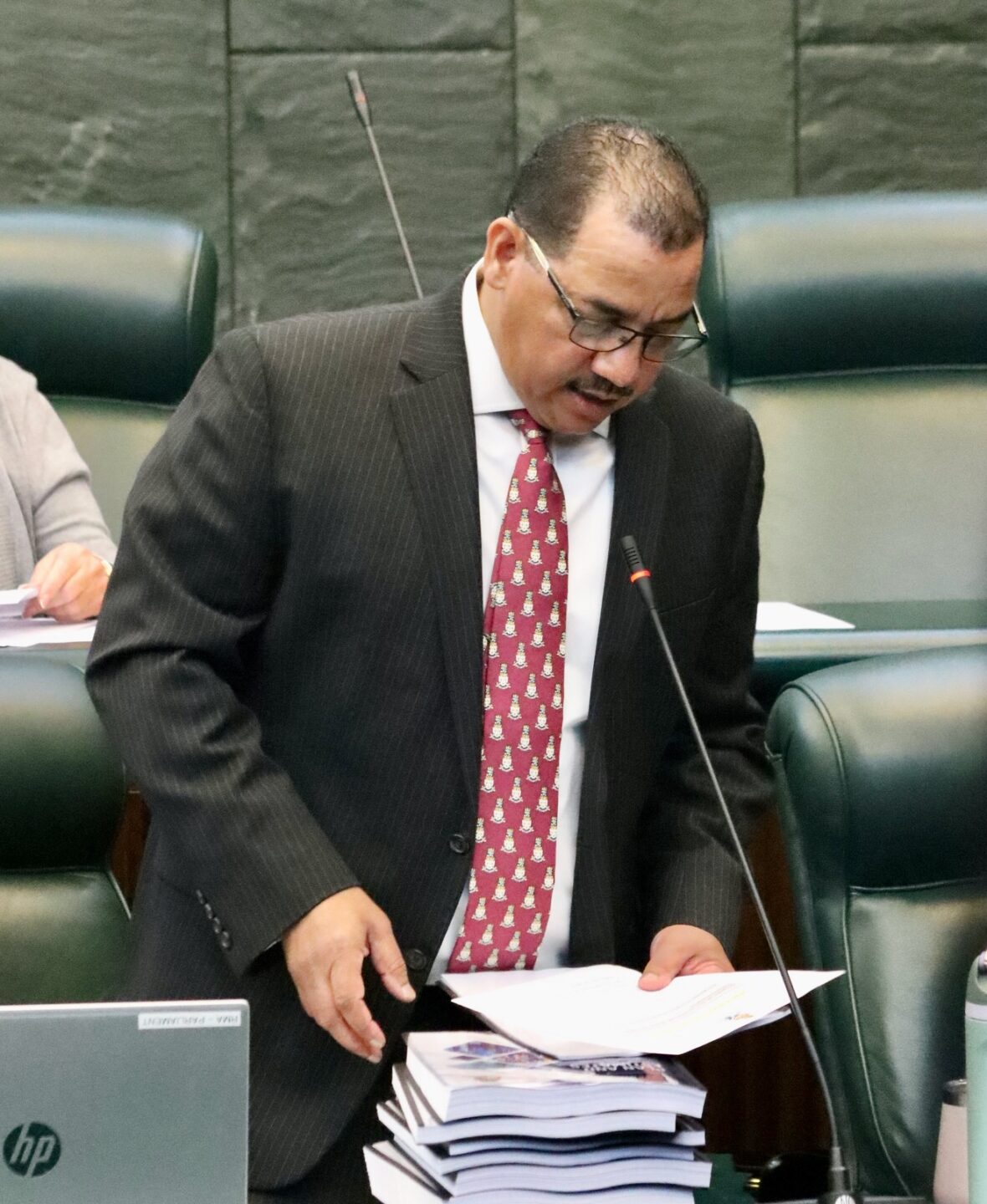
Finance Minister Rolston Anglin, who is also minister of education, echoed the premier’s sentiments in his own address, highlighting significant new spending on education and training, including funding for early childcare and reception, as well as an increase in scholarships.
“Education is not an expense. It is an investment in our nation,” he said.
Key capital projects
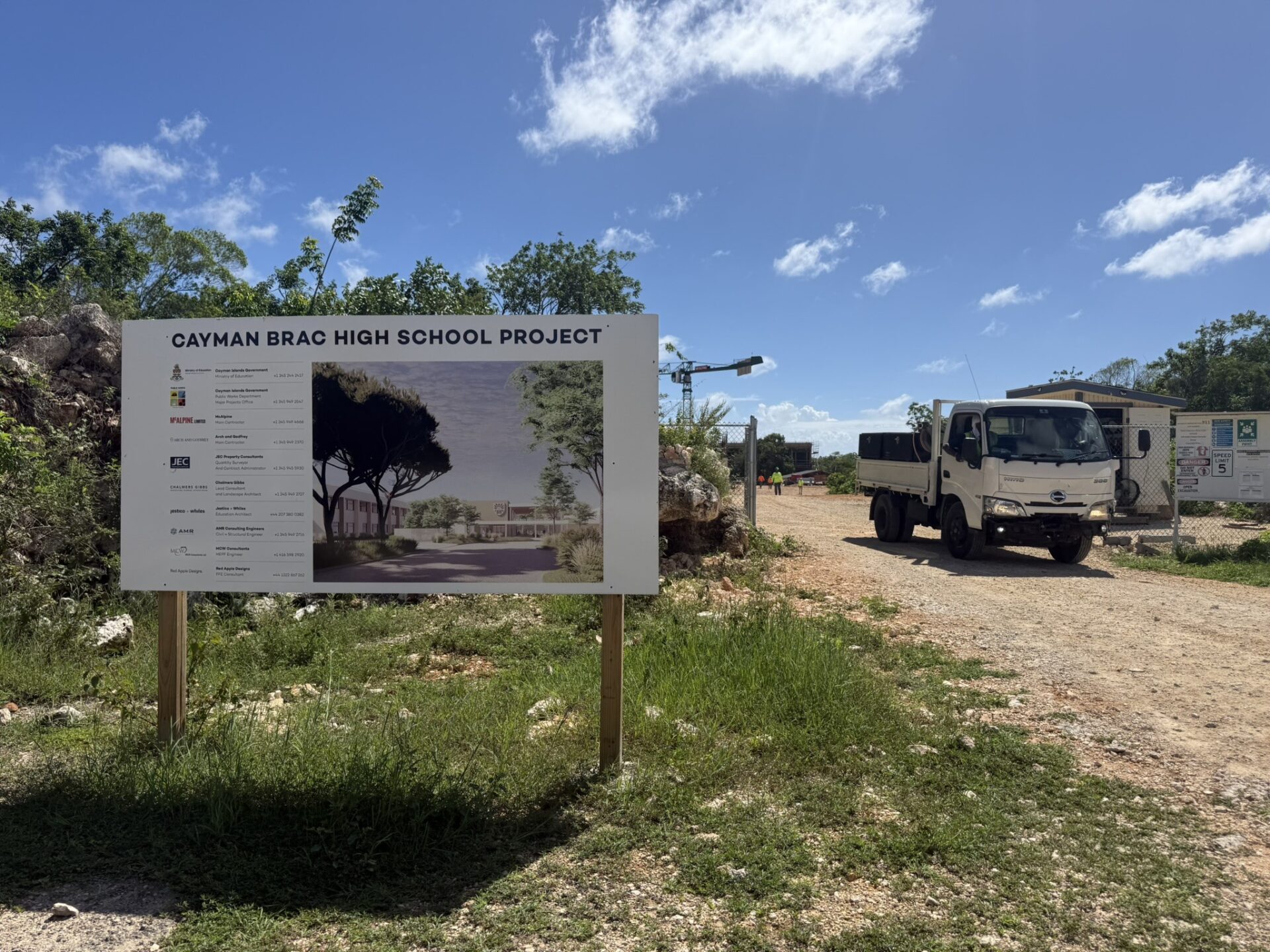
The major allocations for capital projects, outlined by Anglin, were for roads and schools. Government plans to complete the Cayman Brac High School, expand the Lighthouse School for children with special needs, and add classrooms to the Sir John A Cumber and Joanna Clarke primary schools at a total cost of $40 million.
A further $27 million has been allocated for road improvements across the country and a cash injection of $15 million is planned for the National Housing Development Trust to build more affordable homes.
Another $30.8 million is slated for unspecified “general infrastructure” over the two year period.
In all $265 million in capital spending is planned, much of it funded through borrowing.
Other major infrastructure projects, including a planned sub-sea telecoms cable and potentially the restoration of Seven Mile Beach, are expected to be financed through public-private partnerships.
There was no reference to any new plan to deal with the George Town landfill.
New borrowing
Government expects to borrow $236 million over the two-year period, which Anglin said would be used for capital expenses only.
That will leave Cayman with a total of $634 million debt at the end of 2027.
While this is comparatively high, he insisted it was within the Framework for Fiscal Responsibility and represents just 8.5% of the island’s GDP – a ratio he described as “enviable” internationally.
He compared government’s borrowing strategy to a household mortgage, saying it was “prudent, affordable and tied to long-term assets”.
New revenue
Government is forecast to rake in $1.26 billion in revenue in 2026 and $1.32 billion in 2027, with Anglin forecasting a small operating surplus for each year.
This will be bolstered by new income raised through increases in financial services fees, including legal and accountancy practitioner fees, fund annual return filing fees, exempted limited partnership and corporate service providers fees.
He also announced increases to immigration fees, local company control licences and special economic zone certificates, as well as stamp duty on high-end properties.
Collectively, those measures are expected to yield just over $170 million over two years.
‘Responsible budget’
Emphasising the need to balance the books and conform with the principles of good financial management while funding the coalition’s key goals, Anglin characterised this as a balanced and responsible budget.
“This budget is a responsible path to a stronger tomorrow,” he said.
“It is about ensuring that our schools are equipped, our elderly are supported, our environment is protected, the safety and security of our borders and communities is strengthened and, most importantly, our economy remains strong.”
Ebanks, in his introductory speech, presented a similar message, insisting that his government would address problems that he said had been allowed to fester for too long.
For the last two decades, he said, governments “were hyper-focused on balance sheets and bank accounts, but neglected building wealth in our grass-roots communities ….
“The uncomfortable reality is this: we have done relatively little to improve life for average Caymanians …. This budget represents a turning point for the Cayman Islands. It is the end of kicking problems down the road. [We are] confronting inherited challenges with courage and evidence-based solutions.”
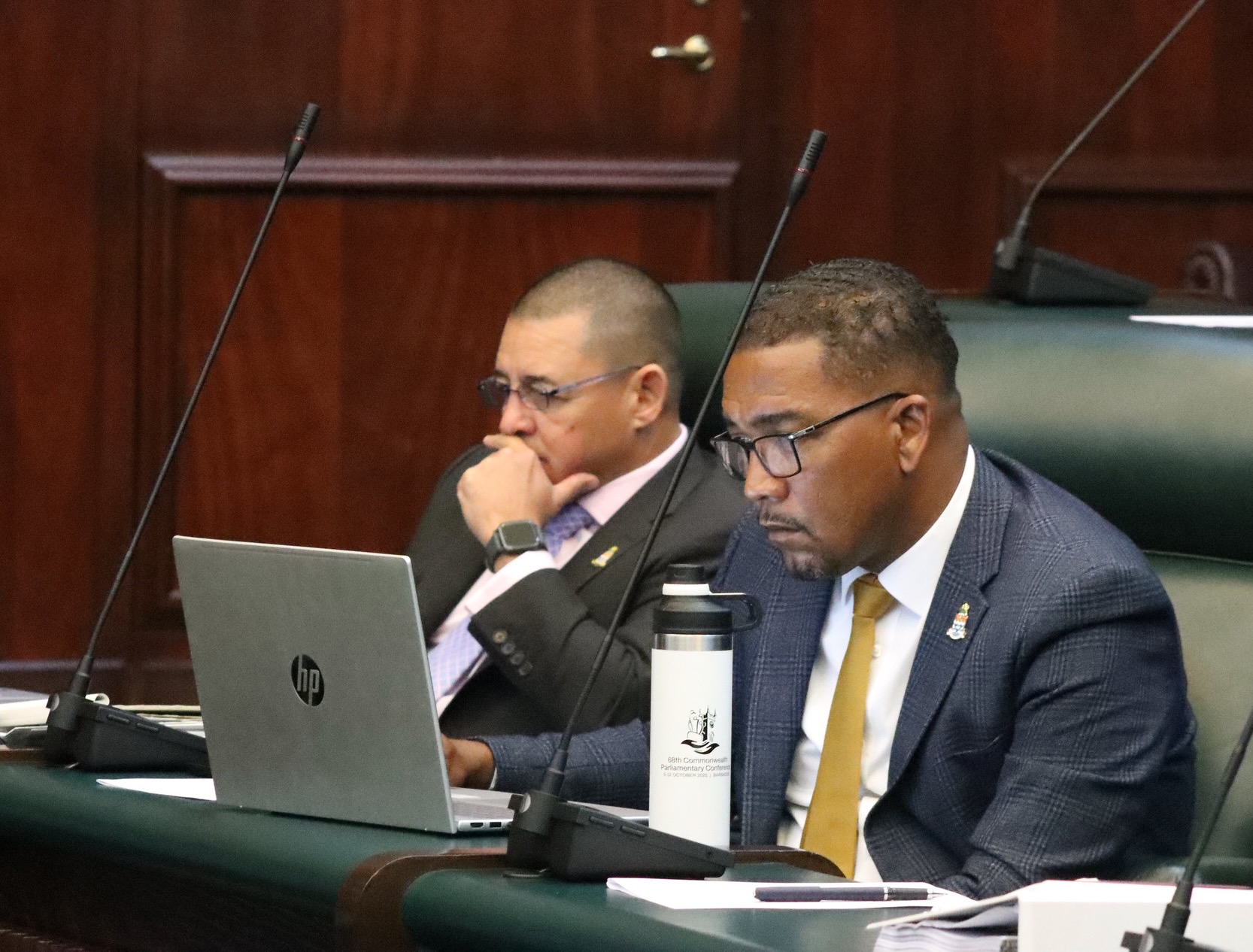
Following the budget presentation, the house was adjourned until 10am next Tuesday, 11 Nov., at which point the Opposition will have the chance to debate the budget, and individual ministers will outline their spending plans in greater detail.
The Progressives released an initial statement Thursday, questioning what it sees as a lack of action in the budget to address the cost of living or deal with the landfill.
Opposition leader Joey Hew said spending needed to be more co-ordinated and geared towards specific goals.
“A government’s budget is not just a list of spending priorities, it’s a reflection of its vision.
“Our approach focuses on easing pressure on families, improving access to affordable housing, investing in childcare affordability, and building a sustainable path forward – not simply spending for headlines,” he said.
Related Videos










Forecasting a “small operating surplus” for 2026/7 is tantamount to telling public service departments to waste more!
There’s a toxic culture in the public service when it comes to being fiscally responsible.
Waste it because “it naw our money”.
NCFC needs to hold the public service accountable for fiscal imprudence.
This is probably too ambitious a plan given that Cayman is quietly losing so many financial jobs (and therefore work permit fees and salaries) to other countries…