

Cayman’s new top tax rate for high-end properties is likely to have some initial cooling effect, but no drastic long-term impact on the islands’ property market, realtors believe.
Government’s decision to introduce a top 10% band of stamp duty for homes worth over $2 million is still being absorbed by the industry, which was not consulted prior to this month’s announcement.
Some have questioned whether the amount government can expect to generate from the new tax – approximately $12 million – is worthwhile in the context of an annual budget of over $1 billion.
Others warn that the rate could scare off both Caymanian buyers and overseas investors – particularly in the middle bracket of $2 million to $4 million.
Kim Lund, of Re/Max and a realtor in Cayman for more than 30 years, said higher property taxes risked impacting the market and could ultimately mean less funds for government because of reduced sales activity.
“Based on my personal experience, the last time government raised stamp duty to 10%, about 30-plus years ago, it was a complete disaster economically,” he said. “As soon as the 10% stamp duty was in effect, sales activity fell off a cliff and did not recover.”
127 properties over $2 million sold in 2024
Analysis of the Cayman Islands Real Estate Brokers Association data for completed sales shows that 127 properties were sold at a price of more than $2 million last year. The net value of those sales was around $290 million. Based on those values, government could expect to pull in an extra $7-8 million from stamp duty under the new tax regime if sales activity remains the same.
Additional sales brokered by non-CIREBA members could push that closer to the figures announced by government in the budget speeches. The exact date the new rate will take effect has not yet been specified, but it is expected to be implemented sometime in 2026.
Several realtors indicated this was a relatively modest amount in the context of government’s expected revenue and spending, in excess of $1 billion for each of the next two years.
Roger Southam, managing director of MyRealtor and one of the founding members of the Cayman Islands Realtors Organisation, said the changes were laudable if government aims to re-invest the funds in helping young Caymanians get on the property ladder.
He said he does not expect a significant impact at the higher, luxury level, where a few percentage points are unlikely to make a significant impact on a price of $10 million plus.
One immediate impact he expects is a shift up or down for properties at just over the $2 million mark as sellers seek to avoid the whole property sale being impacted by the new rate. He suggests government consider layering the increase so that the first $2 million is charged at 7.5% and the additional tax is only levied over that amount.
“Once you get into the real luxury end … it’s de minimis,” he said. “People in that band aren’t bothering if they’re spending an extra million.
“I don’t think you’ll stop activity at the higher end of the market.”
Mike Joseph of Property Cayman agrees. Intuitively, he said, the new rate could mean a rush on properties just over the $2 million mark in advance of implementation and a slowdown afterwards as the market settles into a new normal.
“The higher end, over $5 million, I don’t feel will be impacted too much,” he said.
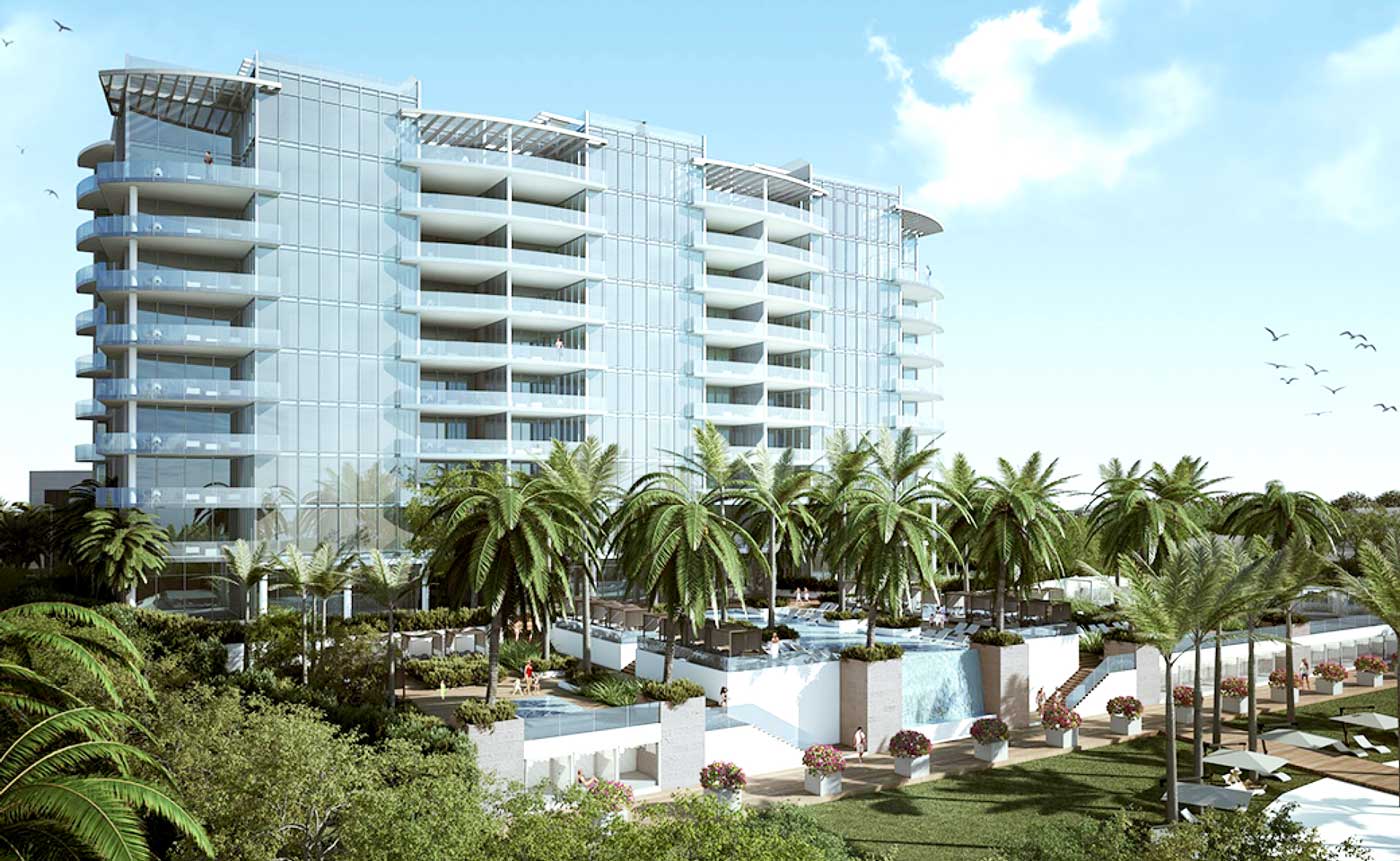
Nonetheless, anyone contemplating a seven-figure purchase would face significant impacts from the new rate. For example, the most expensive condo on sale in the Cayman Islands last year was the top floor condo at the new Watermark property, priced at US$38 million (CI$32.5 million). The new rate amounts to almost US$1 million in additional taxes for anyone contemplating that transaction.
Law firm Bedell Cristin, in an analysis of the rate impact on its website, noted that timing on implementation had yet to be confirmed, and cautioned the new rates could take effect quickly. It suggested anyone who has executed an offer to purchase at new luxury developments in Cayman, including Lacovia and the Watermark, may benefit from locking in at the old rate now.
‘Cayman’s fundamentals are still good’
While there is a risk that the rate may be off-putting to some buyers, Cayman remains competitive with regional peers, including Bahamas, the British Virgin Islands and Turks and Caicos, and has no annual property tax – something American buyers in particular appreciate.
Kristy Rivers, senior vice president of sales and leasing at Provenance Properties, said the measure was likely to have only a modest impact on government revenues.
She expects a period of adjustment as buyers and sellers re-assess plans in light of the change to transaction fees, with some sales likely impacted.
But, she said, Cayman’s property market remains in a strong position.
“Cayman’s real estate fundamentals, such as quality of life, stable institutions and sustained local and international demand, have historically supported market resilience. While we may see some recalibration in the upper tier of the market as participants respond to the new rate, it is still early to draw firm conclusions about longer-term effects,” she said.
The Cayman Islands Real Estate Brokers Association, in a statement to the Compass, indicated it was now in talks with government ministers about the change.
“We support the broader national discussion on revenue measures and affordability … and stand ready to assist in shaping solutions that are balanced, realistic and sustainable …. Above all, we believe this is a time for steady partnership,” it said.
Related Videos










It would be interesting to see the ministers’ calculations on how they expect the fee increases to generate additional revenue. Have they actually sought advice from any economists?