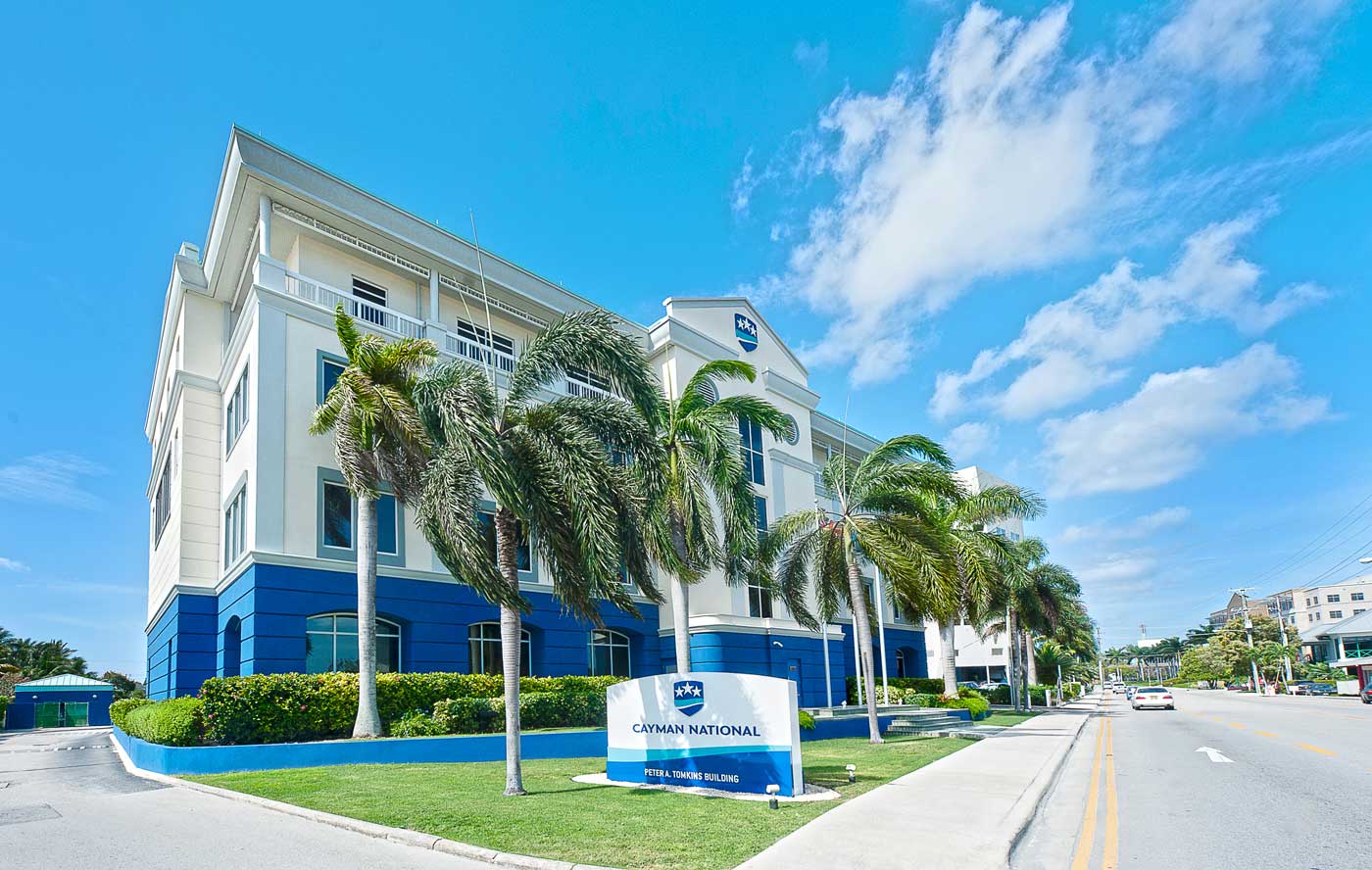
The latest sustainability report from Republic Financial Holdings showcased Cayman National Bank. It was Republic’s first sustainability report since the Trinidad and Tobago-headquartered financial giant took nearly complete ownership of Cayman National Bank earlier this year.
Cayman is just one of the 15 countries where Republic has banking operations, yet the report demonstrated the jurisdiction’s outsized contribution to the group’s sustainability efforts.
In 2020 Republic made a commitment to lend, finance or invest US$200 million in “climate-focused projects that prioritised resiliency and adaptation by 2025”.
At the time of publication the group had disbursed around US$186 million of that target across its international operations. Unsurprisingly the largest amount – 33.5% – has been allocated to Trinidad and Tobago. Yet Cayman received US$4.3 million of the climate finance pot, a greater share than some Republic jurisdictions with larger populations, such as Grenada and St. Lucia.
The recent devastation caused by Hurricane Melissa highlighted the need for climate finance in the region. An Inter-American Development Bank study recently found that the rising sea temperatures caused by climate change will increase the frequency of extreme weather events in the Caribbean.
“In the Caribbean, the financial burden of climate impacts exacerbates challenges such as food security, healthcare access, economic diversification, supply chain disruptions, and migration,” said Nigel Baptiste, president and CEO of Republic Financial Holdings. “These realities help shape our strategy and reinforce our commitment to long-term resilience.”
A mixed environment for sustainable finance
Republic’s move to support climate change projects is part of a wider global trend of sustainable finance, which links banks to projects with certain environmental or social impacts. “In just two years, global sustainable finance has surged, reaching US$8.2 trillion in 2024, a 17% increase from 2023,” said Richard Sammy, Republic’s group vice president.

One example of sustainable finance in Cayman was Cayman National Bank’s 2024 launch of its first micro and small business facility, which lends money to small businesses in the islands.
Yet there has been some pushback against climate-finance from the anti-Environmental, Social and Governance movement. In October, the Net-Zero Banking Alliance – a group founded in 2021 to encourage banks to finance projects to cut carbon emissions – ceased operations.
At one point the alliance was comprised more than 140 banks but large institutions, such as JPMorgan Chase, Barclays and Scotiabank, withdrew following pressure from some US lawmakers who claimed some climate finance practices could be in breach of antitrust regulations.
Related Videos