

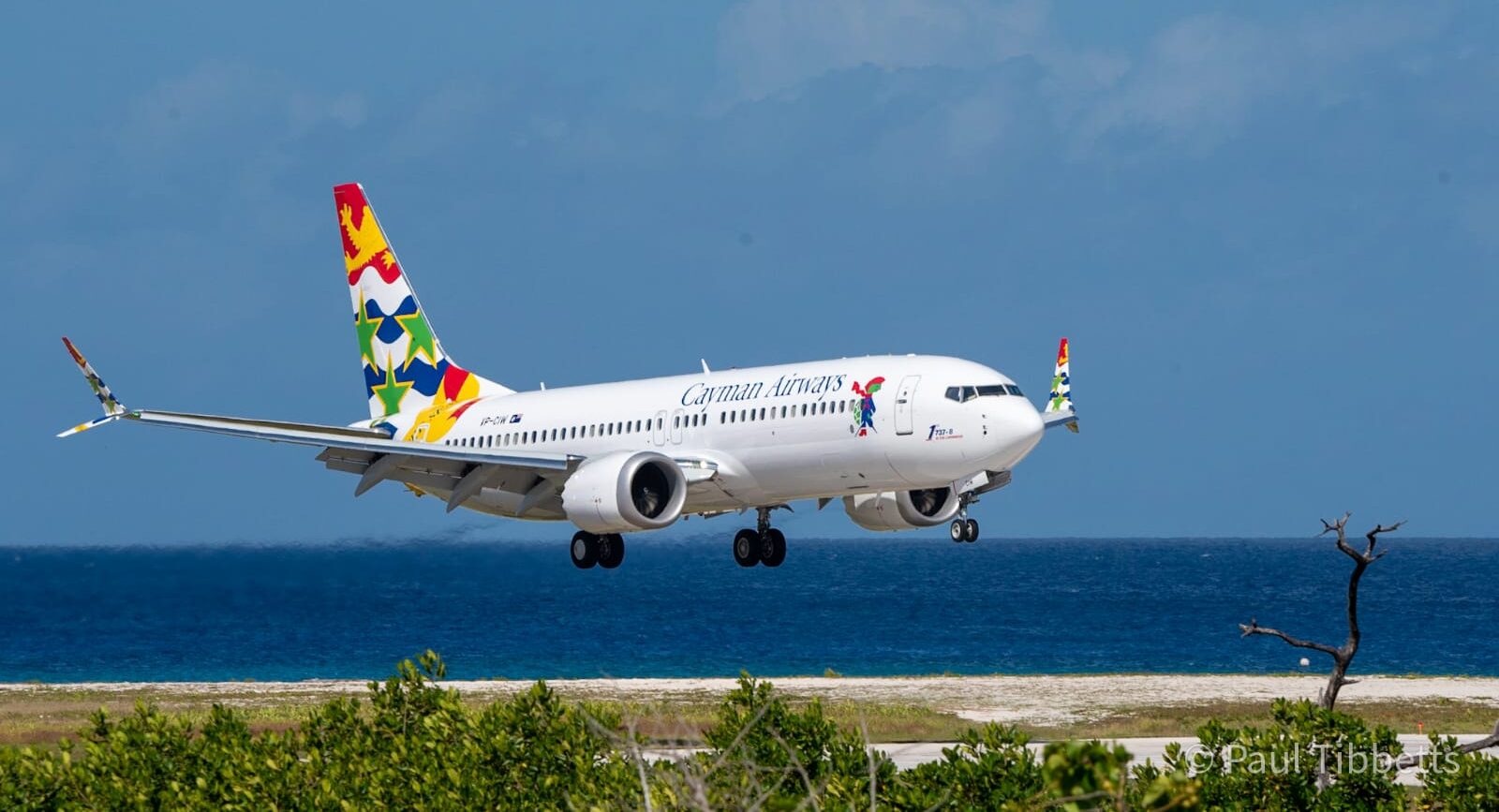
Cayman Airways is banning the use of power banks and portable battery chargers on board its planes as of 17 Feb. 2026.
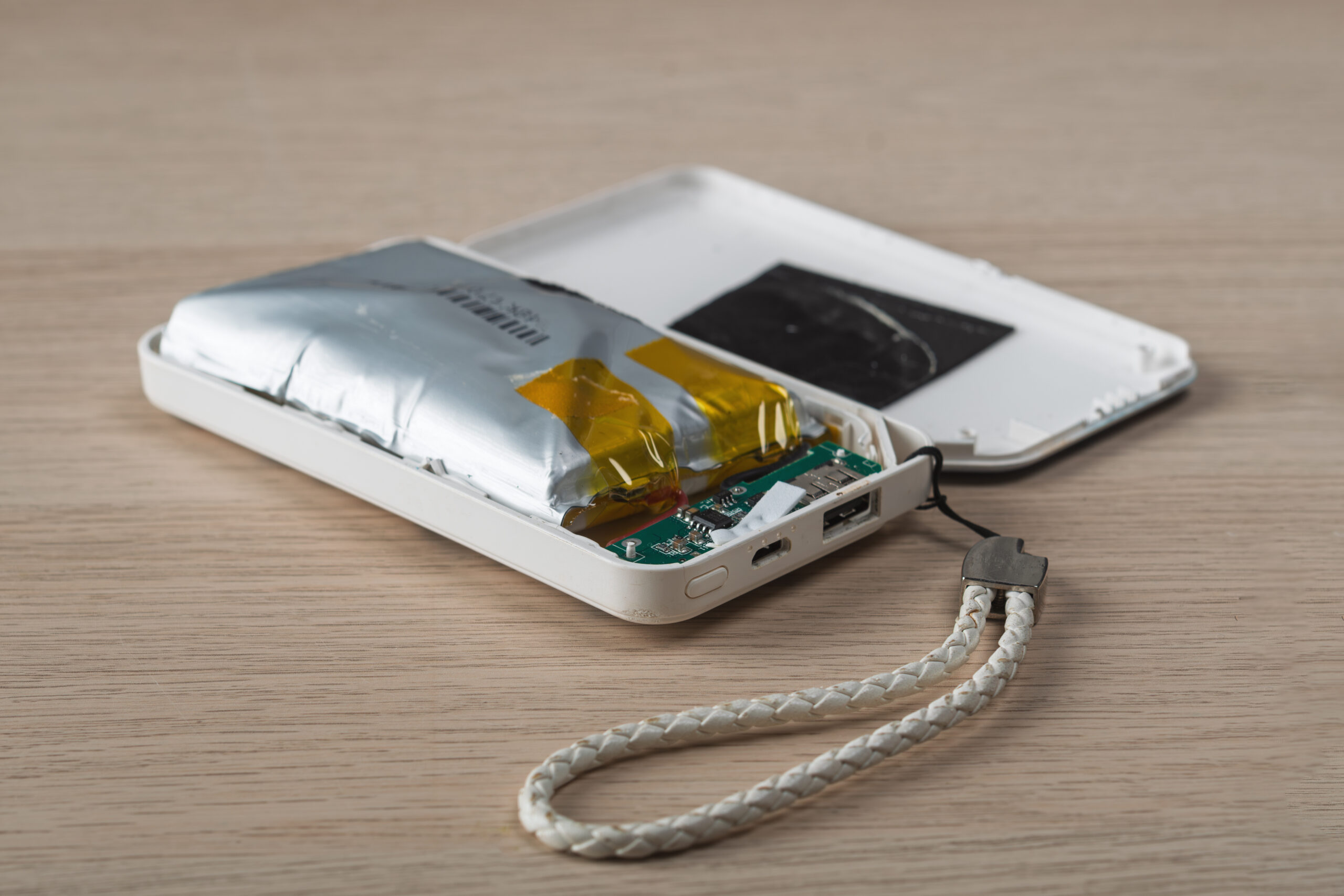
The national carrier said it was prompted to prohibit such equipment following an increase in aircraft cabin fires across the global aviation industry involving lithium battery-powered devices.
Despite the incoming ban, passengers will still be allowed to travel with chargers and power banks, but they must be powered off while on board the aircraft.
The airline says the devices must be kept on the passenger’s person at all times while in the cabin, and must not be stowed in overhead compartments or in seatback pockets.
Lithium battery-powered devices are also strictly prohibited in checked luggage, the airline says.
“Cayman Airways affirms that this new policy reflects its steadfast commitment to passenger and crew safety, and is fully aligned with the Dangerous Goods Regulations of the International Civil Aviation Organization (ICAO) and the International Air Transport Association (IATA).
“With these enhanced precautions, CAL says they will continue to uphold the highest global standards to ensure the safety and peace of mind of everyone who travels with them,” the airline said in a statement announcing the new ban.
Overheating and fire risk
IATA, the trade association for the world’s airline, notes on its website, “Lithium batteries are safe when handled properly, but if they are damaged, short-circuited or packed incorrectly, they can overheat or catch fire. While these items are generally safe when handled properly, improper packing or damage can pose serious risks.”
A survey by the association has shown that 44% of passengers travel with a power bank.
Damaged or overheated lithium batteries can experience what is known as ‘thermal runaway’, a violent chain reaction resulting in an increase in temperature. During thermal runaway, the chemical energy which the batteries are designed to store is uncontrollably released. This chemical reaction produces even more heat, driving the temperature higher, causing a cascading reaction. This can be caused by a mechanical damage, external heat, short circuit or overcharging.
Cayman Airways is the latest airline to introduce restrictions on chargers and power banks.
Lufthansa banned the use of lithium battery-powered chargers on its flights last month, following similar bans by Emirates, Singapore Airlines, SWISS, Qantas, Jetstar and Virgin Australia.
Last March, South Korea restricted the carrying of portable batteries on flights following a fire on an Air Busan plane on 28 Jan. last year. And in April 2025, the Hong Kong Civil Aviation Department banned passengers from using power banks on flights after a fire on a Hong Kong Airlines flight from Hangzhou in China on 20 March.
In July last year, a Virgin Australia aircraft was descending towards Hobart, Tasmania, when smoke and flames started emitting from an overhead locker. An Australian Transport Safety Bureau investigation found a power bank inside a passenger’s backpack in the compartment had caused the fire.
In another airplane incident, on 18 Oct. 2025, an Air China flight was forced to make an emergency landing in Shanghai after a lithium battery in a passenger’s carry-on bag in an overhead locker caught fire.
Related Videos












There are about 40 million passenger plane flights worldwide every year, according to the International Air Transport Group.
44% of passengers travel with a portable charger. Thus about a billion chargers in planes every year.
And perhaps 3 or 4 batteries caught fire per year. None of these incidents resulted in any injury or loss of life. Almost all of these incidents were on Asian, Chinese, Korean, Hong Kong Airlines.
A vanishingly tiny number. Especially on western airlines.
There’s almost zero risk. About the same as being struck by lightning.
Will any passenger keep their unused charger in their pocket and not in their hand luggage? I doubt it.