Cancer is the second-leading cause of loss of life in Cayman, after heart disease, accounting for one-in-five deaths, but getting a cancer diagnosis doesn’t just have potentially deadly health implications, it takes a major financial and emotional toll also.
The wide-ranging and not always immediately obvious impacts of the disease was among the topics discussed earlier this month at a World Cancer Day Symposium.
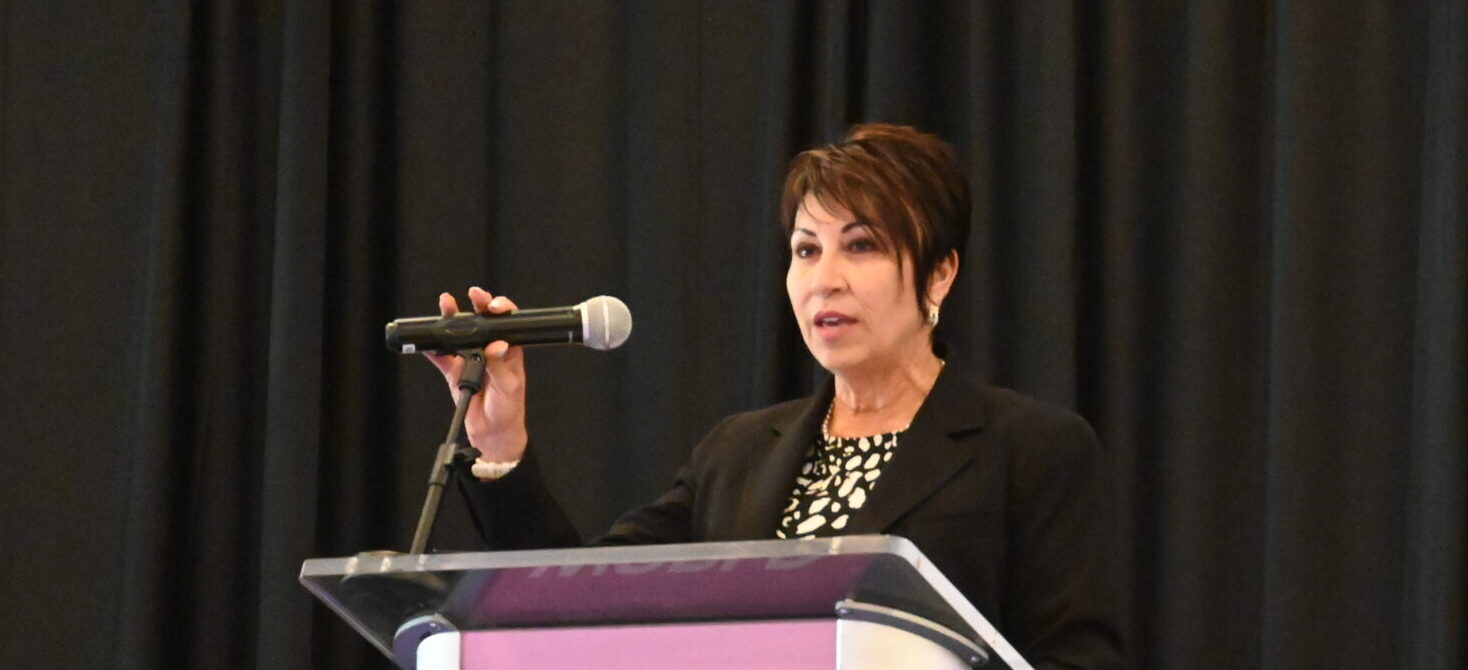
Lizzette Yearwood, the chief executive officer of the Health Services Authority, told attendees, “Cancer’s influence extends far beyond the individual who’s diagnosed with cancer. It reaches families, it reshapes friendships, and it resonates throughout the entire community.
“Beyond the medical expenses, which we know can be vast, this accompanies the healthcare expenditures in direct costs, for missed time off work, premature death. The emotional toll that is borne by families is profound.”
Speakers at the conference outlined various challenges people with cancer had faced, outside of the health side of things.
The non-medical impact on cancer patients
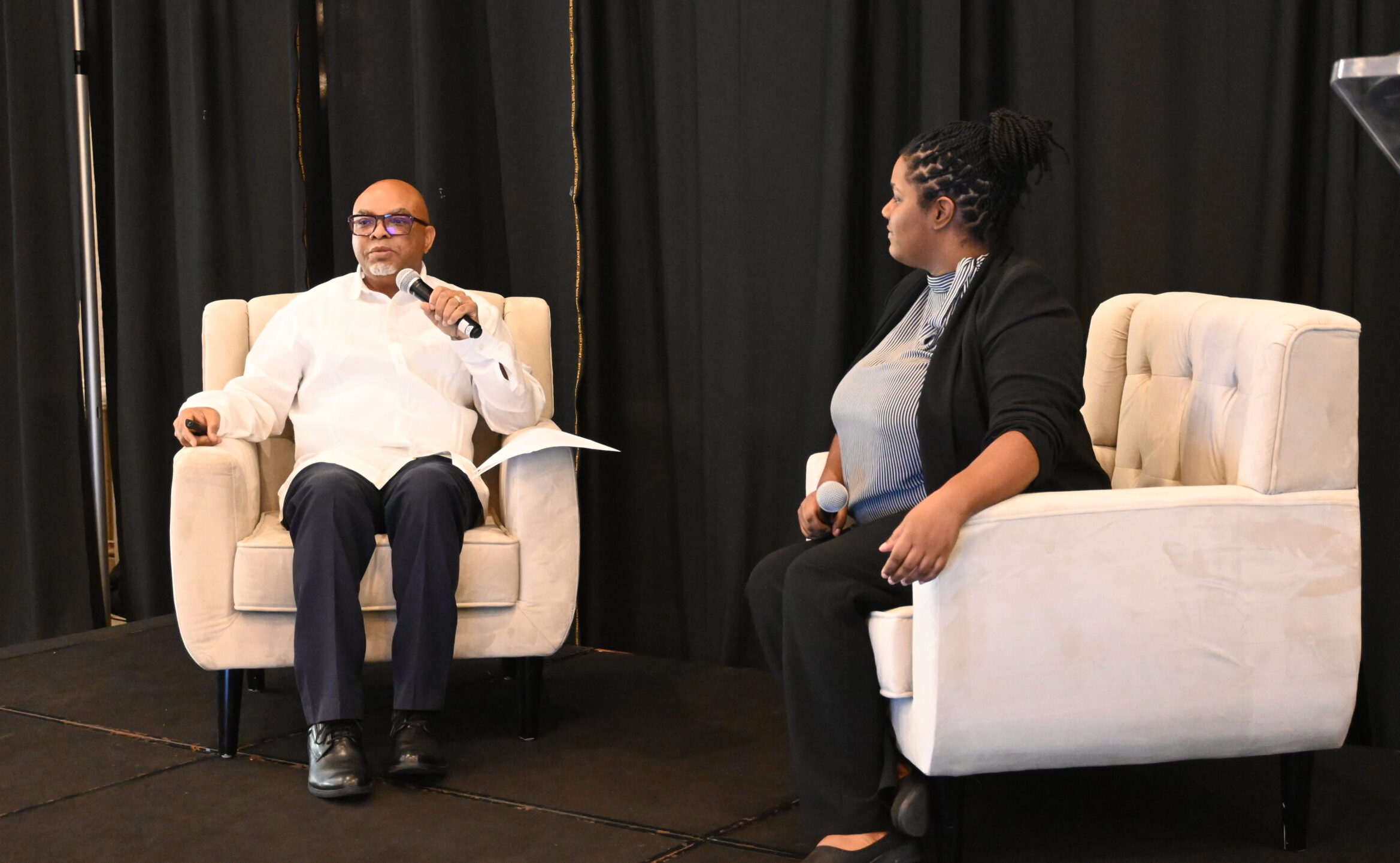
Health Services Authority consultant haematologist-oncologist Dr. Lundie Richards told of a 48-year-old breast cancer patient whose husband initially did not believe she had cancer and felt she just did not want to be intimate with him.
“He didn’t show any empathy at all, and she didn’t really have support of any close relatives,” he said. “She felt stressed all the time, and when she needed to go overseas to complete her treatment, she didn’t have anybody to go with her.”
She was left feeling isolated and started having suicidal thoughts, Richards pointed out. Following her mastectomy and reconstructive surgery, he said, she could not bear to look at herself in the mirror and never allowed her husband to see her undressed.
Speaking to patients about their sex lives, and the impact of cancer and treatment drugs on those, is vital, Richards said, though it’s a subject many patients, and medical professionals, may choose to avoid.
“It’s very important not to be afraid to be … honest with your patient and ask them those difficult questions, because it’s very, very important,” he said.
Dr. Danielle Smellie, also a consultant haematologist-oncologist at the HSA, gave the example of another patient, a mother in early 40s whose breast cancer was diagnosed and treated at an early stage, but who now remains concerned about whether her daughter will be genetically at risk of the disease and how to talk to her about it as she gets older.
“She’s also trying to manage her children’s anxiety. Her kids can see that something’s wrong. Her kids can see that she’s not well. And so she’s trying to figure out how to be honest without overwhelming them,” she said.
Finding support
She added, “So, overall, at every visit, we have to take 15 or so minutes to sit and just talk about how she’s dealing with things, because this is the thing that is really concerning her. It’s not the tablets she can take. The tablets are just fine. It’s the rest of it.”
Smellie noted that some patients do not want their partners or family members to know about their diagnoses, but in such cases, she said, there are avenues available in Cayman whereby local organisations. like Jasmine or the Breast Cancer Foundation, can arrange for a person to accompany a patient and be there for them as an advocate and for support.
The impact of uterine cancer on fertility is also a major knock-on effect of the disease, one that was addressed by Dr. John Diaz, a gynaecologic oncologist from Baptist Health. He noted that patients had begun to demand that surgeons “tailor our spherical approach, and that we tailor our therapeutics, and that we work with them so that there is a life after a cancer diagnosis, so that patients aren’t just surviving this diagnosis, but are thriving”.
He gave a presentation that showed various surgeries, that once would have left a woman without a uterus and unable to conceive, but which now mean women can go on to have children after surgery.
He outlined surgical techniques that enable cervical cancer to be removed without a hysterectomy, thus enabling patients to later become pregnant and bear a child.
Another speaker, Michael Gayle, CEO of the government’s insurance company, CINICO, spoke about how the insurer helps mitigate the often huge financial burden that a cancer diagnosis can bring to patients and their families.
He noted that CINICO had spent $102 million in cancer care in the past five years, covering costs of treatment for civil servants and other customers.
“The wide scope of coverage by CINICO under the non-SHIC policies, coupled with the fact that recipients do not have to pay for this cover, provides a relief from the financial burden faced by patients living with cancer.
“The mere fact that this financial burden is lifted … removes a psychological weight, and this, in and of itself, assists in the recovery process.”
Getting more information on cancer
Efforts are currently under way to enable more information to be gathered about how many cancer cases there are in Cayman, and what types of cancer are being seen among patients.
A cancer registry, established in 2010, collects and collates local data, but it’s on a voluntary basis. Last month, Cabinet approved drafting instructions to amend a bill, first mooted in 2015, that would make reporting of cancer cases mandatory, in a bid to get a better grasp of how widespread the disease is locally.
An accurate picture of the prevalence and types of cancer would enable better approaches for dealing with the disease, as well as earlier detections and preventative measures, health officials say. It would also help guide a national cancer policy, on which the government is currently working, and ensure adequate resources are in place.
Related Videos