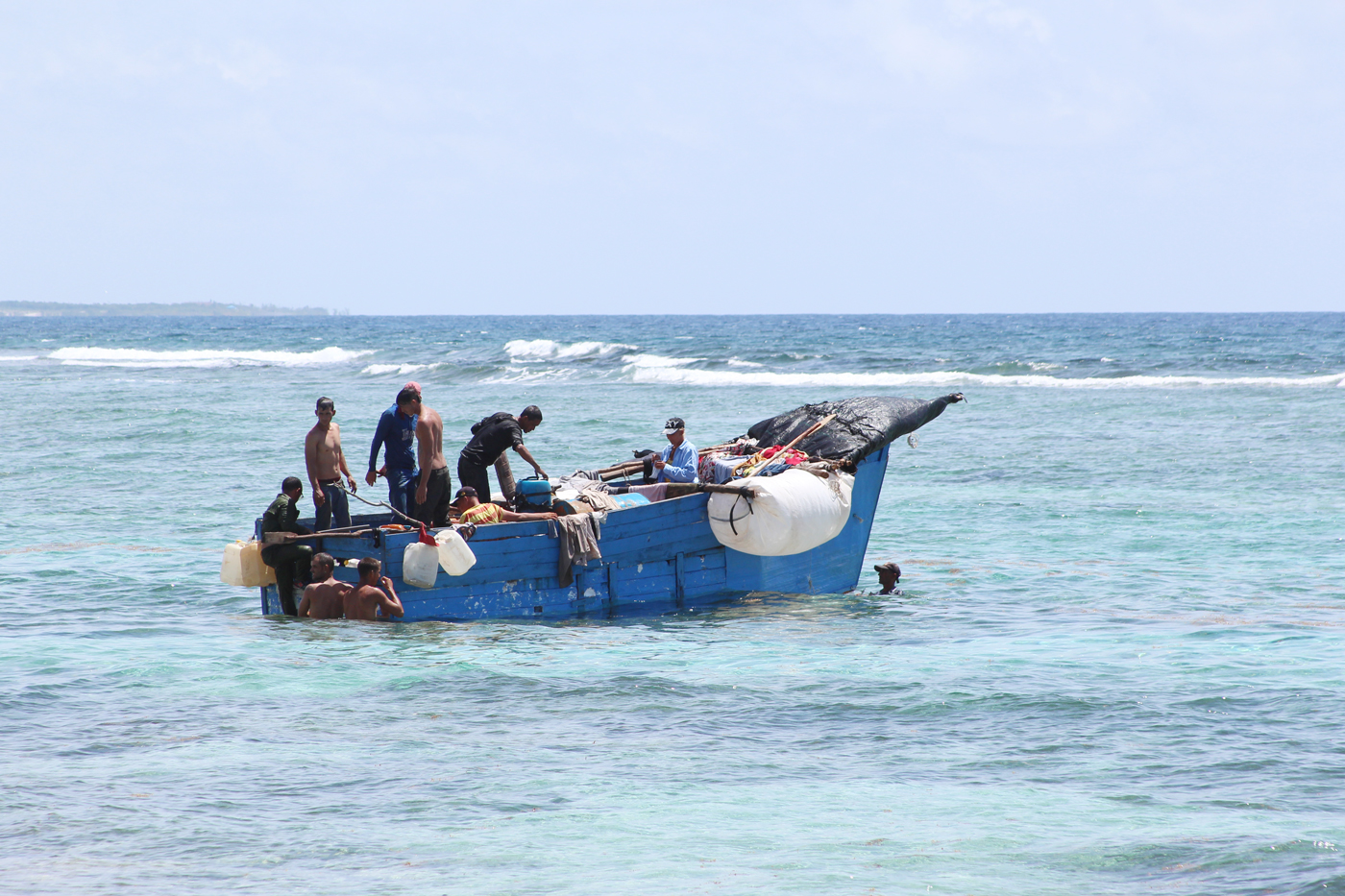
Cayman has prepared for a potential flood of refugees from Cuba and has created a special task force to handle any influx.
Officials said a multi-agency Mass Migration Committee had been set up to coordinate government action.
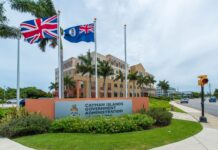
“The committee brings together critical national agencies to provide strategic direction and to ensure that any response remains proportionate, legally compliant and aligned with national priorities,” said the Ministry of District Administration and Home Affairs in a press release.
Security protocols
The ministry said in the event of migrant arrivals, Customs and Border Control, supported by the Mass Migration Committee will activate established protocols.
The protocols prioritise identity verification, medical and health screening and security assessments, consistent with Cayman Islands law and applicable international standards.
The news came as officials confirmed that one of two Cuban detainees who escaped from the existing Fairbanks Road site had still to be tracked down.
There are 26 Cuban nationals at present on Grand Cayman after 10 people arrived from the Spanish-speaking nation, which is Cayman’s closest neighbouring country.
Customs and Border Control Director Bruce D. Smith warned the public to “exercise increased vigilance” especially in the Fairbanks area and nearby.
He said that included securing homes, vehicles and vessels, avoiding leaving keys or valuables unattended and reporting suspicious activity.
Smith added, “While law enforcement continues to actively manage the situation, we all share responsibility for reducing obvious and preventable risks.”
The ministry also reminded the public that “anyone who knowingly assists, harbours or facilitates the illegal landing or residence of another” has committed a criminal offence and could be fined up to $50,000 and jailed for seven years.
Existing facilities
Existing facilities are and will continue to be used as a response tool in the interest of applying the duty of care and upholding public order obligations, said the ministry, adding, “Any activation would be short-term, phased and subject to strict operational controls, with utilisation determined solely by operational need and capacity at the relevant time.”
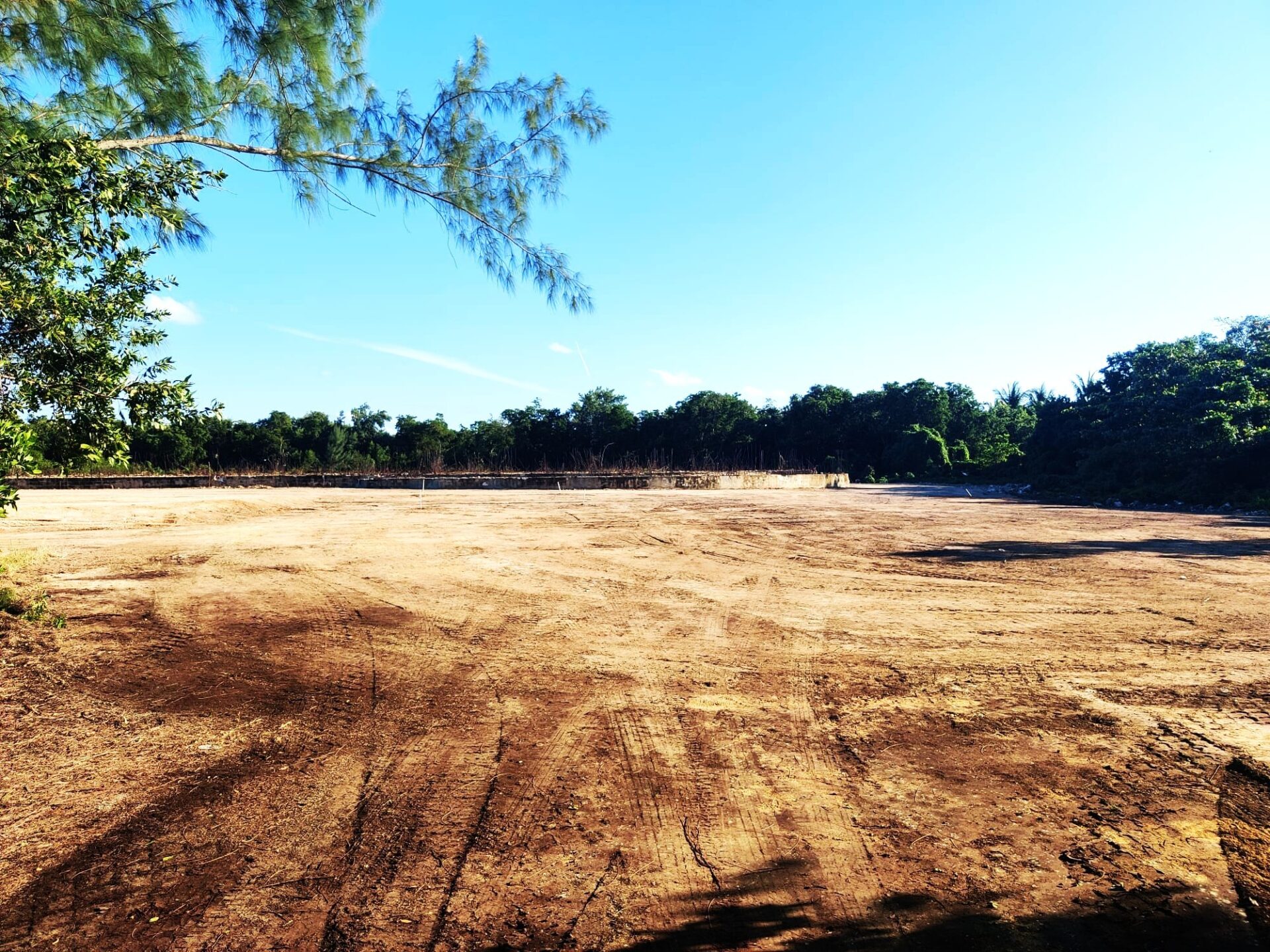
A large area of ground, about eight acres, behind Fairbanks was recently cleared. The government has been asked, but has not yet confirmed the land would be used for a detention area in the event of a large influx of Cuban migrants.
The ministry statement said, “The government recognises the importance of public confidence in matters of border security and remains committed to factual, measured communication.
“Updates will be provided through official government channels as appropriate.”
In the press release, Home Affairs Minister Nickolas DaCosta said, “The government’s approach to irregular migration is grounded in lawful control, humanitarian duty of care and national security considerations.
“Existing facilities, legal frameworks and operational protocols remain the primary tools for managing any arrivals should they occur and will continue to be applied in a structured and controlled manner.”
‘No immediate threat’
The government said it continues to monitor potential migration developments from Cuba and across the wider region and is working with national, regional and international partners to maintain a measured, responsible approach to border management and national preparedness.
The ministry added, “Whilst cross-agency intelligence does not indicate an immediate threat of mass migration, the government’s actions reflect prudent risk management and its long-standing obligations to uphold public order, border integrity and the safety and security of all three Cayman Islands.”
The Cayman Human Rights Commission has been asked for comment on the preparations.
Cuba has been in economic turmoil since the start of the year, when US forces captured Venezuelan President Nicolás Maduro in its capital Caracas.
Cuba, once underwritten by the former Soviet Union, had relied heavily on Venezuelan oil for about 25 years.
But the deal between the two countries, based on subsidised fuel in exchange for Cuban security, intelligence and medical support, collapsed after Maduro was deposed, leading to major shortages of essential supplies.
Max Jones, a British Caymanian who has been married to a Cuban national for more than 30 years and who asked that his wife remain anonymous, said earlier this month he has travelled regularly between Cayman and Cuba for decades and that present conditions were the worst he had ever seen.
Jones said, “It has been difficult to watch family and friends in Cuba struggle with the effects of the country’s worst economic crisis in decades.
“From the Cuban population’s standpoint, this crisis has resulted in severe shortages of food, medicine, electricity, and just about everything else.”
Related Videos