
The job-hunting arena is full of well-qualified and keen applicants. Make sure you stand out from the pack with both your résumé and interview skills.
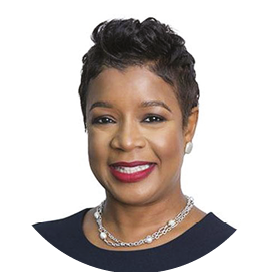
Michele Aubert, managing director and founding principal of Affinity Recruitment, shares some tips to take your first impression to the next level:
Professional appearance. Choose business attire well in advance and ensure it’s properly ironed and ready. Polish your shoes, check that clothes fit correctly, and keep accessories subtle. Personal grooming is essential, but avoid overpowering fragrances that might distract from your qualifications.
Research the company. Before your interview, thoroughly investigate the organisation
through its website, social media channels, press releases, and recent articles. Familiarise yourself with current industry developments to demonstrate your engagement and ability to contribute meaningfully to conversations about the sector.
Know your value. Review the job description carefully to anticipate questions about your personality, skills, experience and qualifications. Other candidates likely possess similar credentials, so identify what distinguishes you from the competition. Highlight your unique strengths confidently without appearing arrogant or aggressive.
Create a strong first impression. Arrive at least 10 minutes early to relax and gather your thoughts. Upon arrival, clearly state your name, appointment time, and interviewer’s name in a friendly manner. Bring relevant documentation including your interview invitation, résumé, and cover letter. Turn off your mobile phone before entering the interview room.
During the interview. Listen carefully to each question and provide concise answers supported by relevant examples. Ask for clarification when needed and speak clearly at a moderate pace. Stay relaxed by using techniques like deep breathing or silent mantras to manage nervousness.
Effective body language. Give each interviewer a firm handshake at the beginning and end. Maintain a relaxed but alert posture with a friendly expression and consistent eye contact throughout the conversation. Your nonverbal communication reinforces the impression you’re creating.
Master the STAR technique. When answering competency-based questions, structure responses using the STAR method: describe the situation, outline the task, explain your action, and highlight the result. Develop multiple examples from various aspects of your life and keep them updated throughout your career.
Handle challenging questions. Prepare for difficult topics like employment gaps, poor academic results, or previous terminations. Answer honestly without defensiveness or blame. Transform these questions into positive statements showing how you overcame difficulties and what you learned.
Ask thoughtful questions. Prepare questions about progression opportunities, professional development support, or company expansion plans. Demonstrate genuine enthusiasm and interest, but avoid asking basic questions you should already know, or questions simply for the sake of asking.
End positively. If not mentioned, ask when to expect a selection decision and what the next steps involve. Thank the interviewer and reiterate your enthusiasm for the position. A strong closing reinforces your interest and professionalism.
Following these strategies will significantly improve your interview performance and increase your chances of securing the position.
This article originally appeared in Compass Media’s 2026 Careers Guide.
Related Videos