The Cayman Islands National Museum is set to open a new exhibition this week celebrating one of the country’s most influential figures in cultural preservation, Ira Thompson.
Opening to the public on Thursday, 2 April, ‘Kiemanos: The Ira Thompson Collection Exhibition’ will run through August, offering residents and visitors an intimate look at the man whose lifelong passion for collecting helped lay the foundation for the national museum itself.
While the concept of collecting has deep historical roots, this exhibition shifts the focus firmly to a Caymanian story grounded in memory, identity and community.
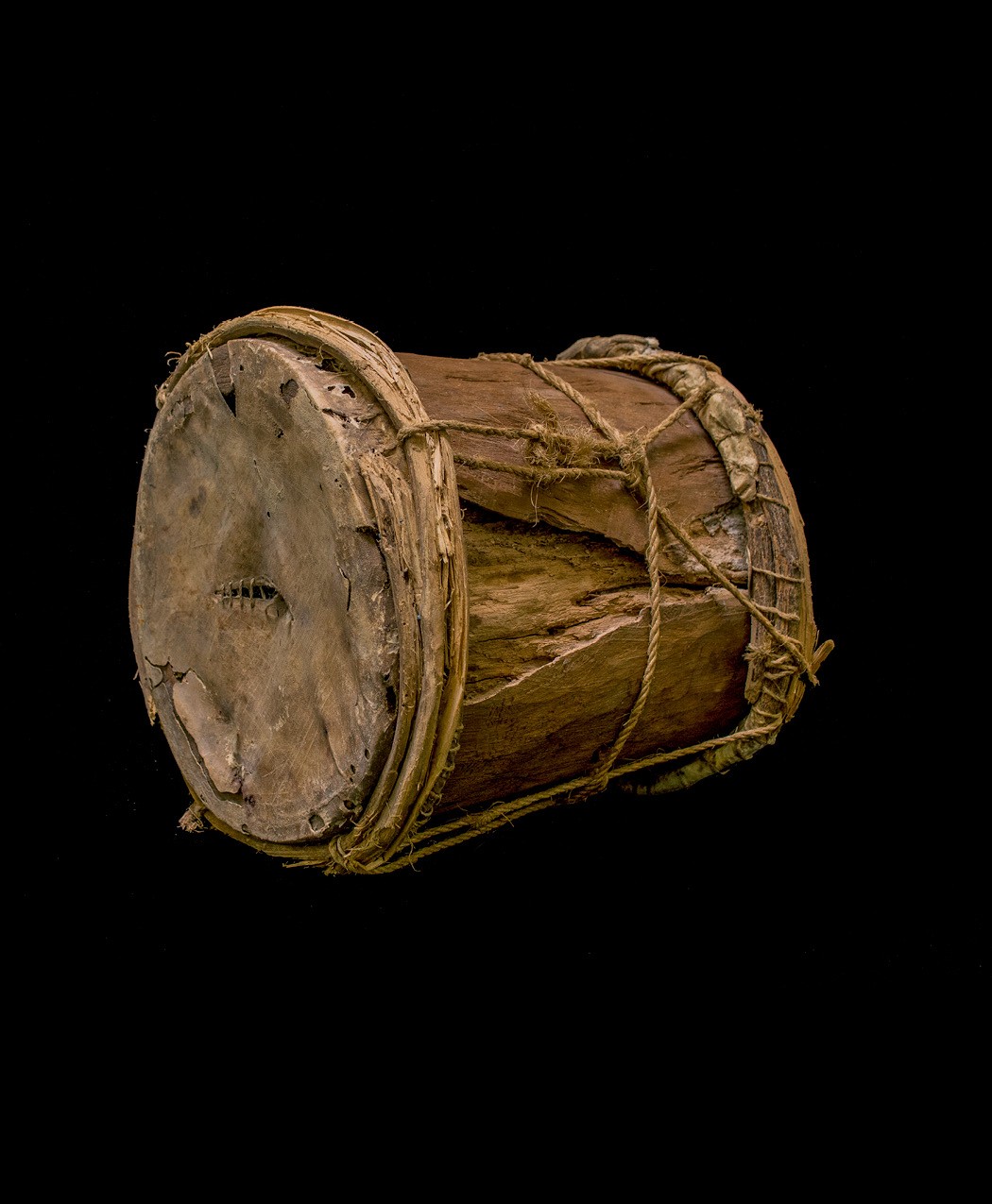
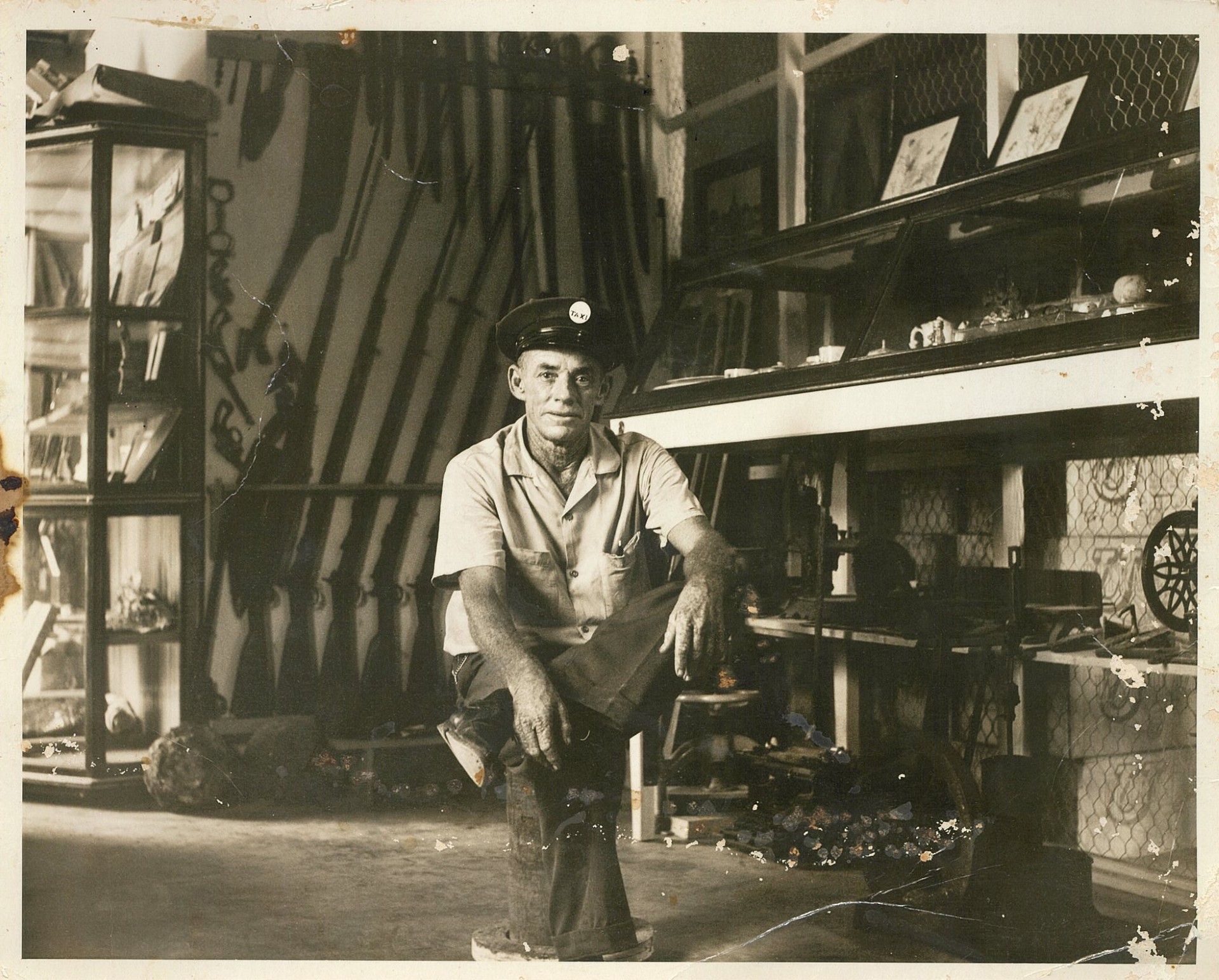
Brian Watler Jr., communications manager at the Cayman Islands National Museum, said Thompson’s journey began in the 1930s, when, as a young man, he started gathering what many might have dismissed as simple “odds and ends”. But to him, every object carried meaning. Over time, that instinct grew into something much larger: a personal collection and archive of Caymanian life.
Taxi driver, birdwatcher and hobbyist
Thompson, who passed away in 1985, was born in 1904, and began work as one of Grand
Cayman’s first two taxi drivers in 1925. A birdwatcher and hobbyist at heart, Thompson developed what would become known as the Kiemanos Museum, first near Church Street in George Town, and later, on Crewe Road. There, everyday items sat alongside unusual artefacts, each contributing to a broader narrative about how Caymanians lived, worked and celebrated.
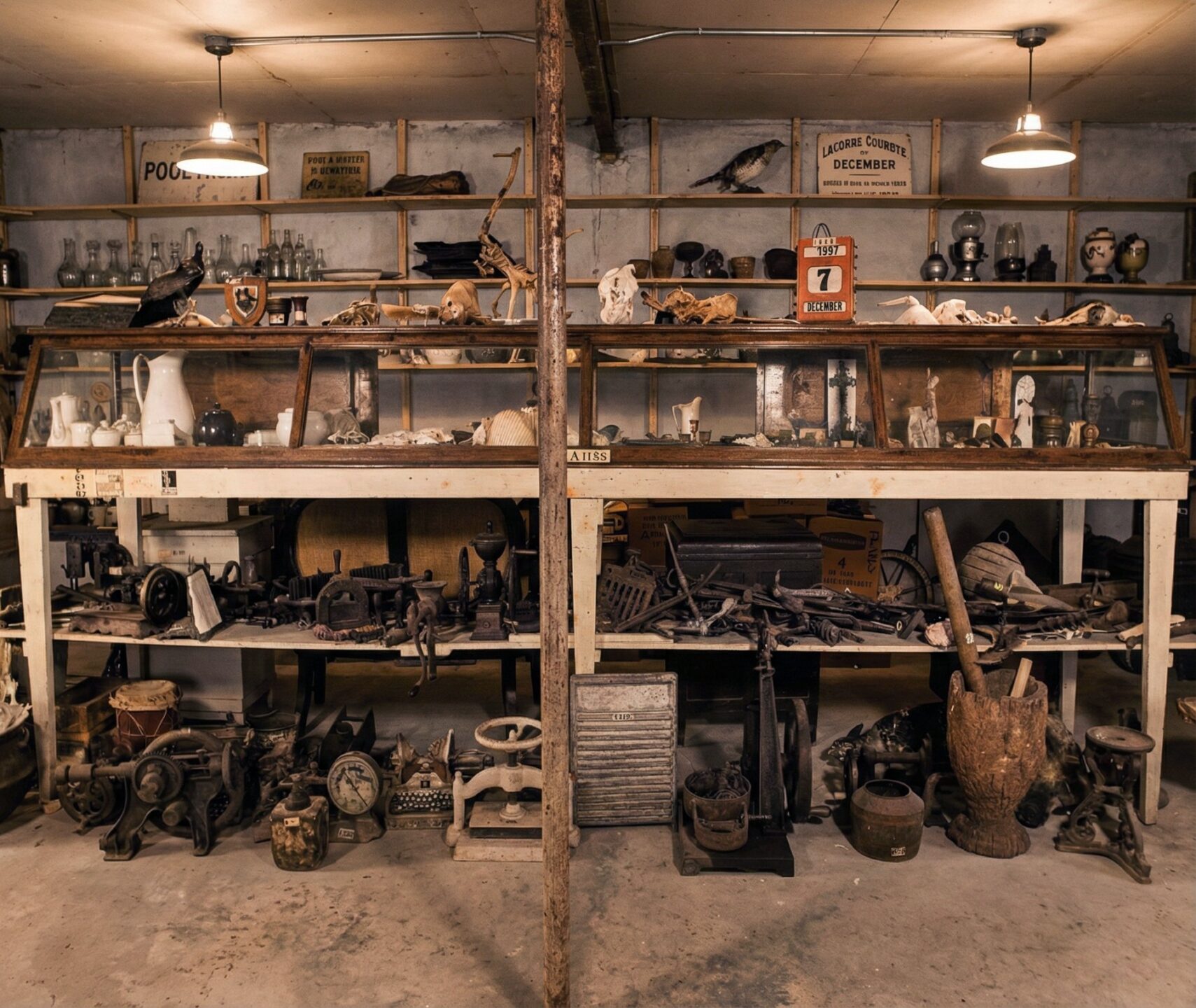
Watler said the Kiemanos museum “became a beloved attraction for both locals and visitors, offering a glimpse into an evolving Caymanian society”, during a period of rapid social and economic change.
Through his work, Thompson unintentionally bridged two worlds, preserving traditional Caymanian life while sharing it with an increasingly global audience.
That personal effort would ultimately take on national significance.
Thompson’s legacy
In 1979, the Cayman Islands government purchased Thompson’s collection, forming the nucleus of what would become the Cayman Islands National Museum. Today, that legacy continues to shape the institution’s mission to preserve and interpret the islands’ cultural heritage.
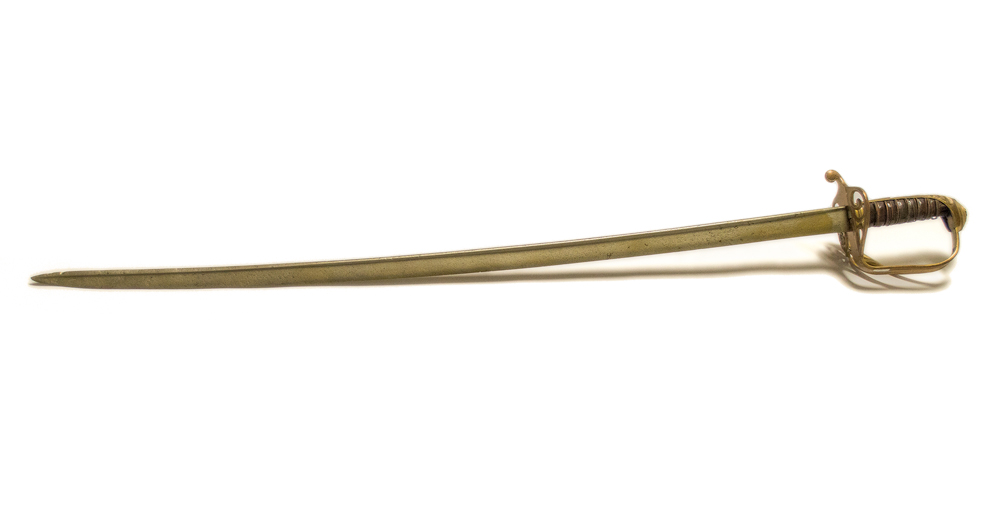
The museum’s curator of collections, Megan Arch, said the exhibition is as much about the man as it is about the objects he collected.
“The Ira Thompson Collection is intrinsic to the story of the Cayman Islands National Museum, and to the story of the Cayman Islands,” she said. “This exhibition allows us to honour Mr. Ira’s legacy, while offering visitors a deeper understanding of the man behind the collection.”
The exhibition brings together Thompson’s artefacts from the museum’s core holdings, alongside personal items loaned by the Thompson family, creating a more intimate portrait of a man remembered not just for what he collected, but for why he collected.
Designed by Watler and curated by Arch, the exhibition also reflects the collaborative effort of museum staff and volunteers, highlighting the continued importance of community in preserving Cayman’s story.
For museum officials, Thompson’s work carries a message that resonates well beyond the display cases.
At a time when museums worldwide are grappling with questions of ownership and representation, his approach stands in contrast. A blog on the museum website points out that rather than collecting to control or display dominance, Thompson collected to remember and to safeguard the stories, traditions and everyday realities of the Caymanian people.
That distinction is central to the exhibition.
What visitors will encounter is not simply a collection of objects, but a living narrative; one shaped by curiosity, care and a deep sense of national pride.
Related Videos