

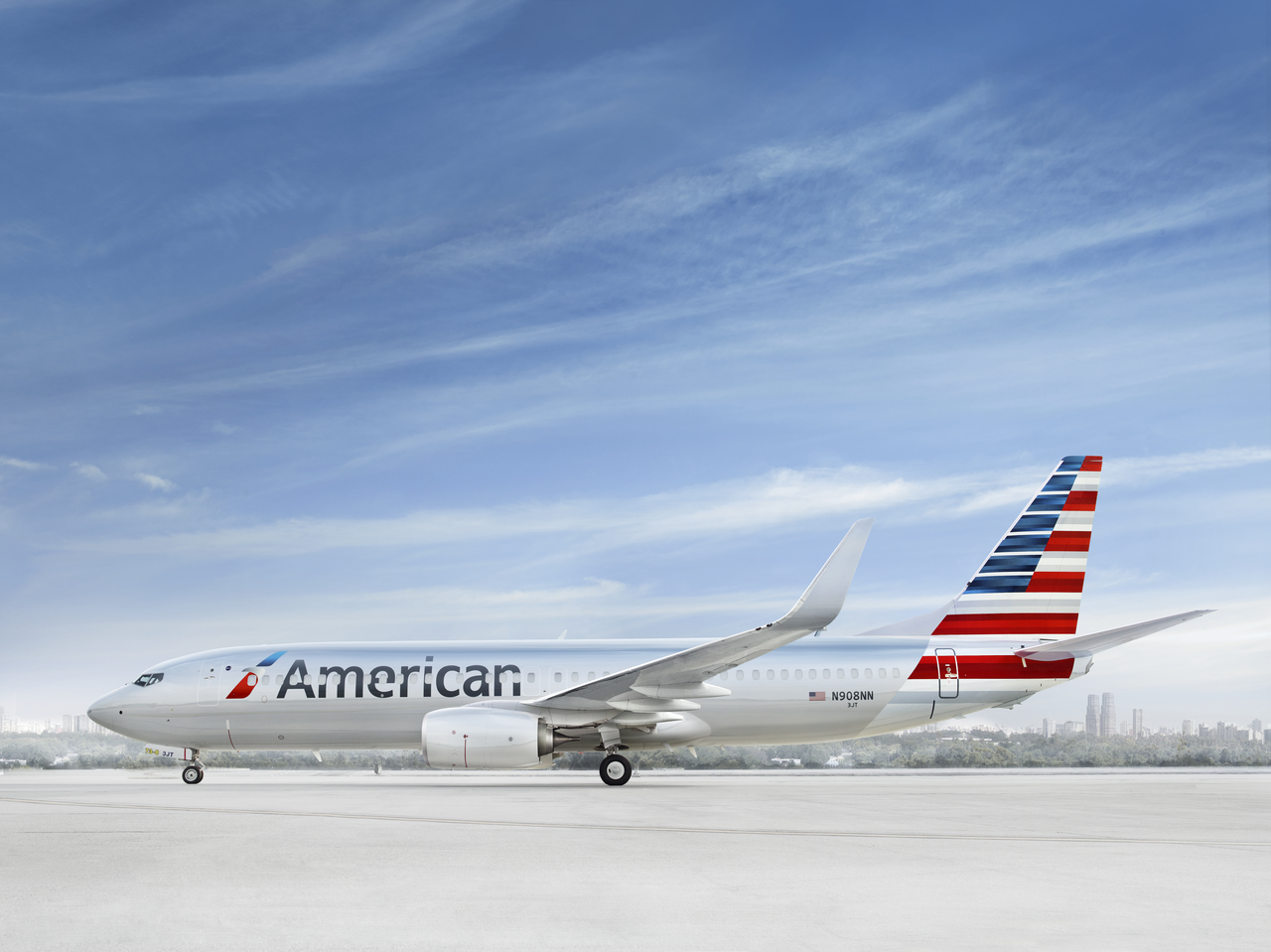
American Airlines, one of the key airlines servicing Grand Cayman, will tighten its rules on portable chargers, becoming the latest carrier to impose stricter limits on lithium battery-powered devices amid growing safety concerns.
From 1 May, passengers will be limited to two portable power banks, each with a capacity of no more than 100 watt-hours. The devices must be kept within reach at all times and, when in use, remain visible, such as on a tray table or in a seat pocket. They cannot be stored in overhead bins or charged using in-seat power during the flight.
The airline says the changes are designed to allow crew to respond quickly if a device overheats or malfunctions.
“Portable chargers must not be stored in overhead bins or recharged while on board using the in-seat power available on every mainline aircraft and most of our regional fleet,” said an American Airlines spokesperson to “USA Today”. “These updates allow crew members to respond quickly should an issue arise with the portable charger.”
Increase in lithium-battery related incidents
Electronics on aircraft carry a real fire risk, prompting airlines across the industry to tighten rules on how they can be used in flight.
Lithium-ion batteries, commonly found in phones, laptops and power banks, can overheat and enter “thermal runaway”, a chain reaction that can lead to smoke, fire or explosion. While such incidents are relatively rare, the confined environment of an aircraft cabin makes them a serious safety risk.
In September 2025, the Federal Aviation Administration issued SAFO 25002 ‘Managing the Risks of Lithium Batteries Carried by Passengers and Crewmembers’, warning of the growing hazard posed by lithium batteries in the aircraft cabin.
The Federal Aviation Administration recorded nearly 100 lithium battery incidents in 2025, while data from UL Standards & Engagement shows power bank-related cases rising 42%, averaging about two incidents a week on US flights.
American’s updated policy aligns broadly with existing US federal guidance, which requires spare lithium batteries to be carried in the cabin rather than checked luggage and imposes limits based on battery capacity.
Other airlines’ policies
Other airlines servicing the Cayman Islands have already moved in a similar direction, though with some variation in how strict the rules are.
Southwest Airlines has been at the forefront of these changes. In May 2025, it became the first major US carrier to require that portable chargers be kept visible while in use, banning charging from inside bags. By 20 April, it escalated those rules further, limiting passengers to just one power bank, prohibiting storage in overhead bins and banning in-flight recharging using seat power.
United Airlines introduced its latest update on 1 March, requiring passengers to keep portable chargers and lithium-powered devices within reach at all times and out of overhead compartments. The policy reinforced existing federal safety guidance rather than introducing a strict cap on the number of devices.
Delta Air Lines has taken a more incremental approach. As of 1 May, its rules allow up to two portable chargers and require that they remain accessible during the flight. The update builds on earlier restrictions, including its 2018 crackdown on smart luggage with non-removable lithium batteries. The airline has continued to refine its guidance, with limits that closely mirror federal thresholds on battery size.
Cayman Airways implemented its safety policy on 17 Feb. The airline prohibits the use or charging of portable power banks entirely during flights. Passengers may carry them, but they must remain powered off and on the passenger’s person and never be stored in overhead bins.
Related Videos











Does this mean that a computer can’t be put in the overhead bin