

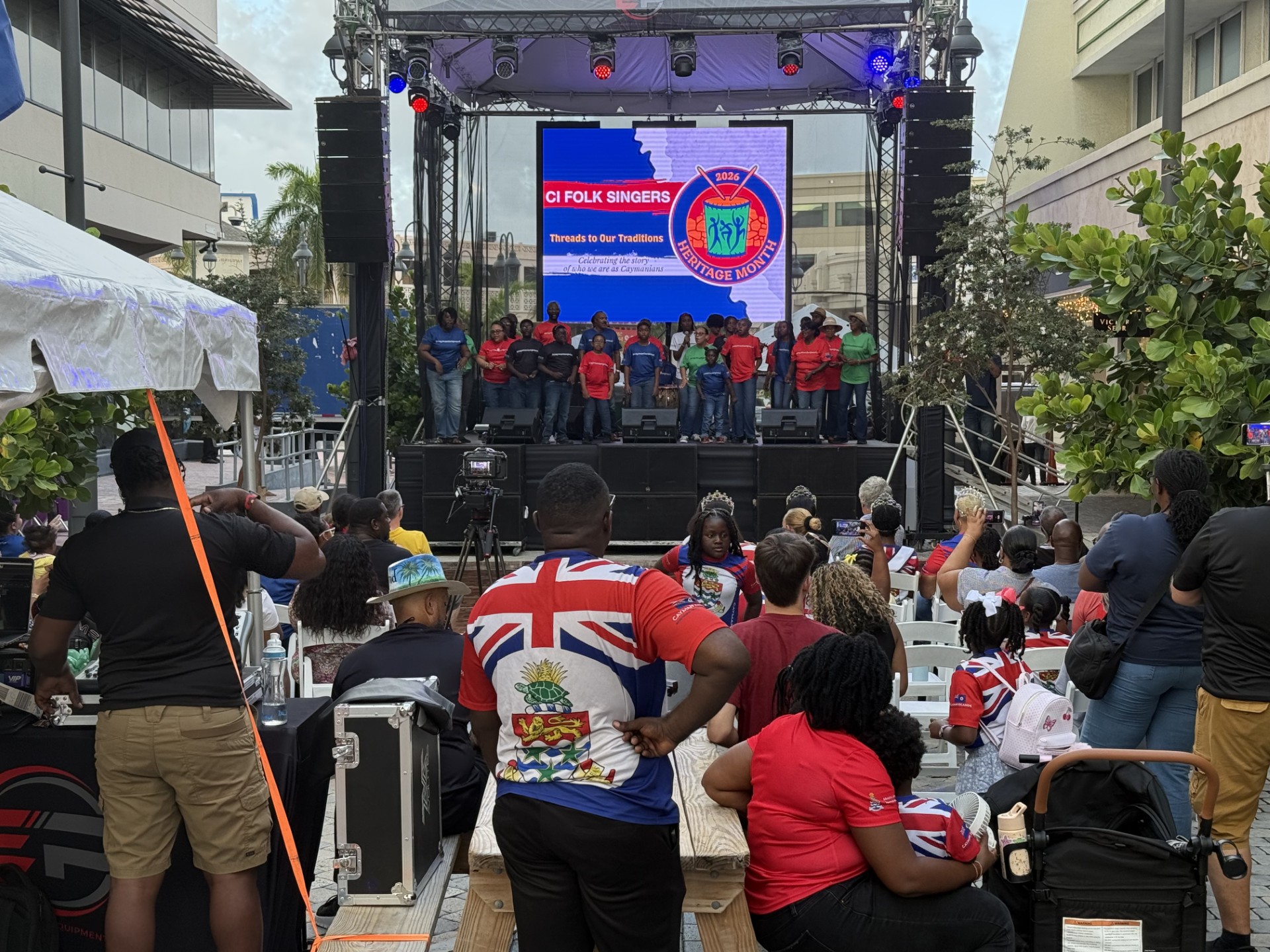
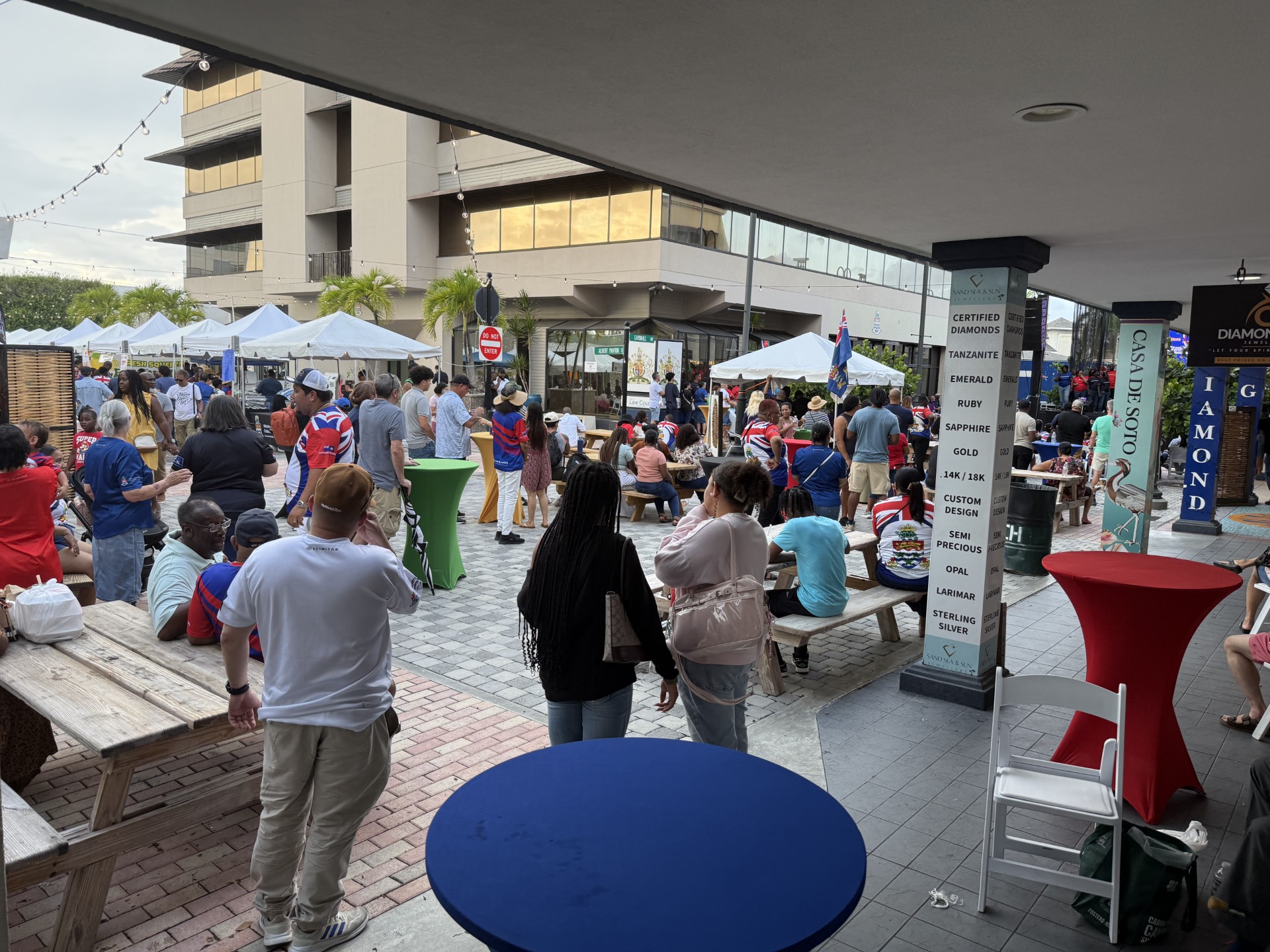
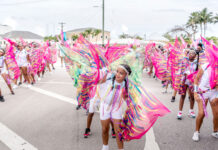
The Cayman Islands marked Emancipation Day on 4 May with a full expression of culture and community, including music, food, craft, ceremony and re-enactment coming together in a way that felt both celebratory and deeply rooted.
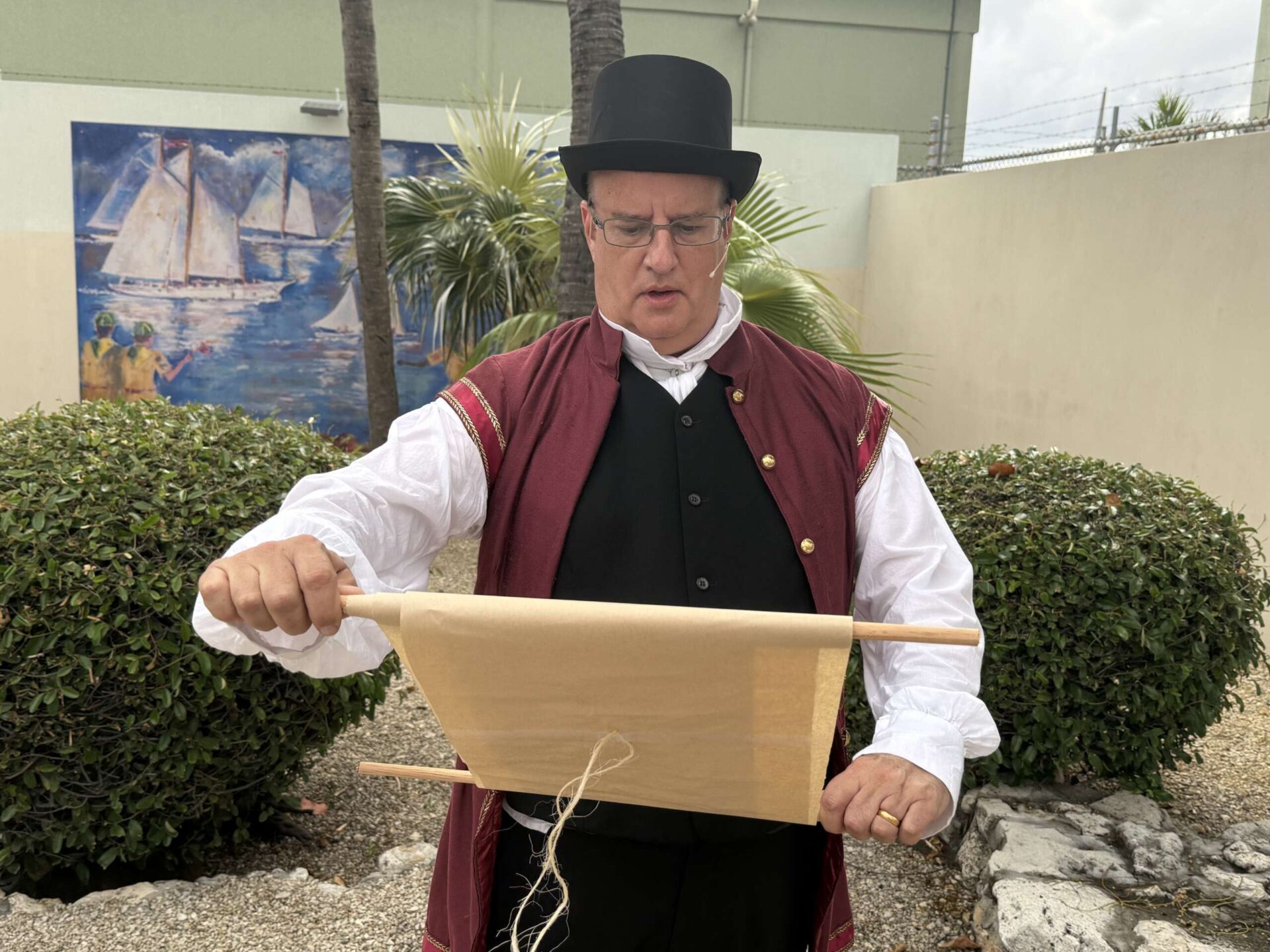
The proclamation was read by the National Trust for the Cayman Islands. The Cayman Islands National Museum produced an exhibition tracing the lives and legacies of some of the first people who first stepped into freedom.
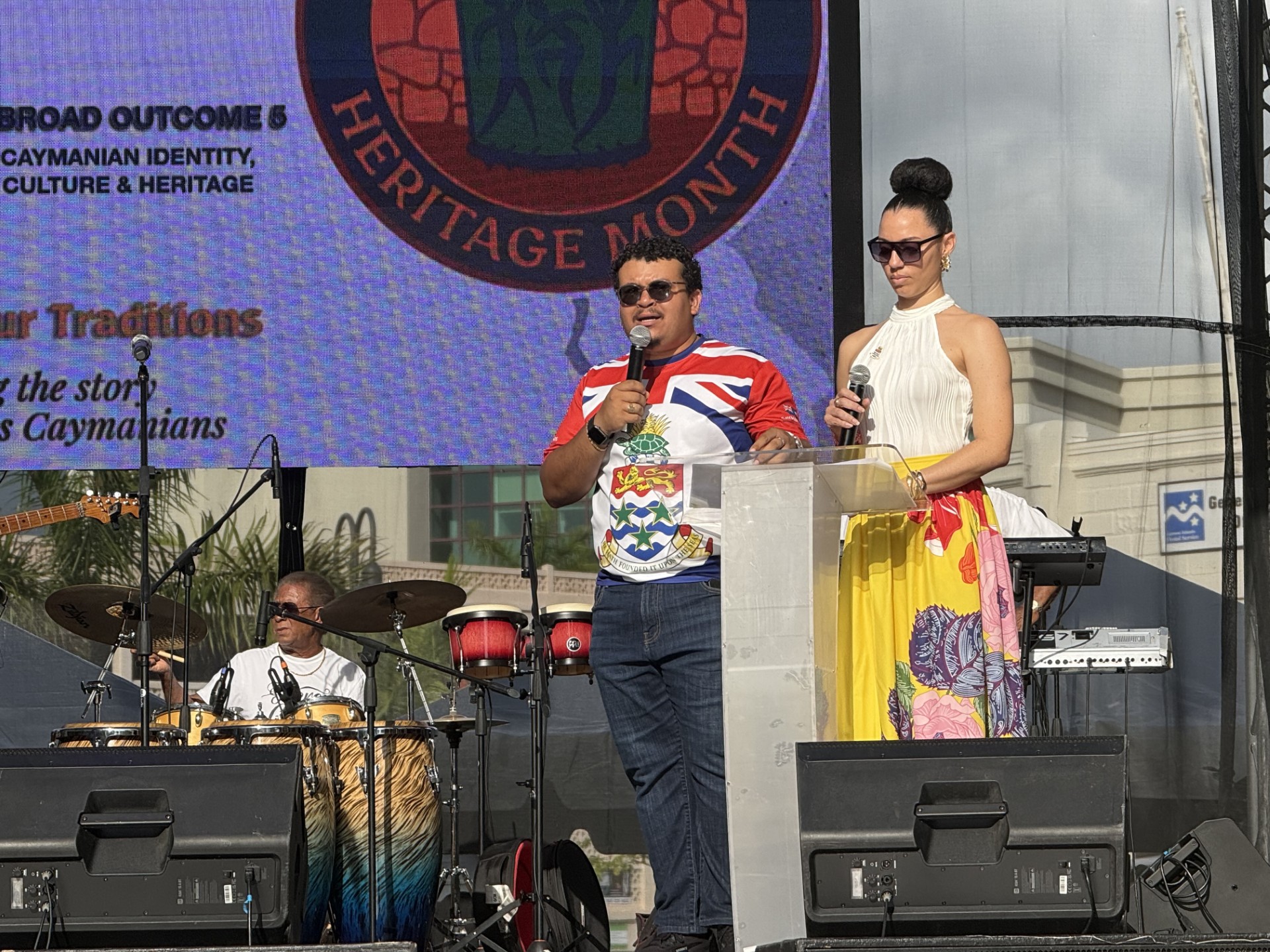
From the rhythm of live performances to the skill of artisans shaping silver thatch, the day unfolded as a living continuum, culminating in fireworks over George Town Harbour that lit the sky in tribute to a past still present.
The drumbeat of freedom
On the morning of 3 May 1835, in Hog Sty Bay, Captain Anthony Pack read the proclamation that ended slavery in the Cayman Islands.
Beside him, Governor Lord Sligo made it plain:
“You who have been slaves … are by this decision made absolutely and unconditionally free.”
It was a defining moment, but not a simple one. Because when freedom came, it came alone.
No land was granted. No homes were provided. No compensation was paid to those who had laboured for generations.
What the newly freed had was this: The clothes on their backs, the small provision grounds they had cultivated, and the strength to survive.
“You have now no person to feed you, no person to clothe you,” Sligo warned.
Days later in Bodden Town, the meaning of emancipation found its voice. Drums, fiddles and graters filled the air. Banners stretched across the road: “Slavery be dead, we be free.” The sound of celebration rose so fiercely it was said to drown out the sea itself.
What followed was not ease; it was survival.
Freed families stayed close to the land they knew, planting cassava, plantains, breadfruit and yams, fishing the surrounding seas, negotiating their place in a world that offered no guarantees. There was no plantation system to return to. No structure waiting.
So, they built one.
On the water, especially, something new took shape. Fishermen and turtlers worked side by side, sharing profits and risk; a quiet but powerful shift toward a more equal way of life.
That journey did not begin in 1835.
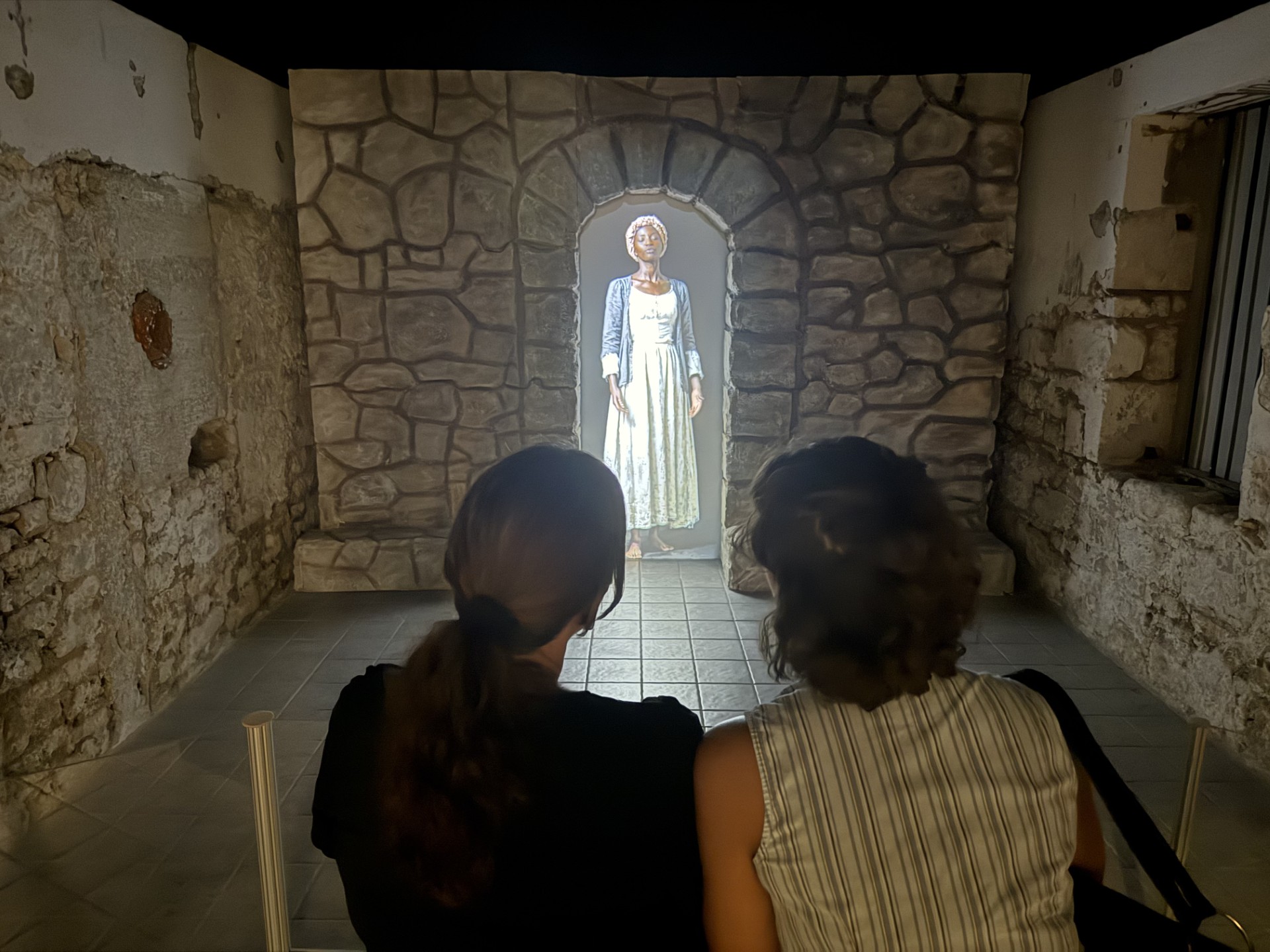
Figures like Elizabeth Jane Trusty remind us that freedom was pursued long before it was proclaimed. Others, like Long Celia, paid the price for daring to speak it aloud.
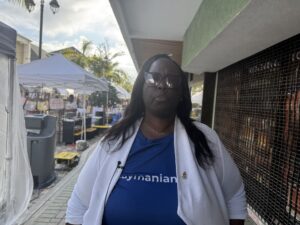
“Emancipation didn’t begin with the proclamation,” said Sylvia Wilks. “It began in the minds and actions of people who refused to accept that this was all they would ever be.”
At the Cayman Islands National Museum, where the story of Jane Trusty is now being brought to life, that truth is visible again – freedom imagined before it was granted.
Emancipation Day now is more than just an act of remembrance.
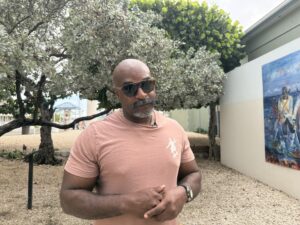
“This is not just about marking a date,” said Stuart Wilson of the National Trust for the Cayman Islands. “It’s about understanding what people did with that freedom when they were given nothing else.”
That is the triumph of 1835.
Not just that people were freed; but that they survived it.
With no land, no wealth, no safety net, they built lives from provision grounds and open sea. Hope became structure. Strength became economy. Determination became identity.
And through it all, the drumbeat continued. From Bodden Town to today, in ceremony, in story and in the rhythm carried forward by groups like the Randy Chollette Drummers – it still sounds.
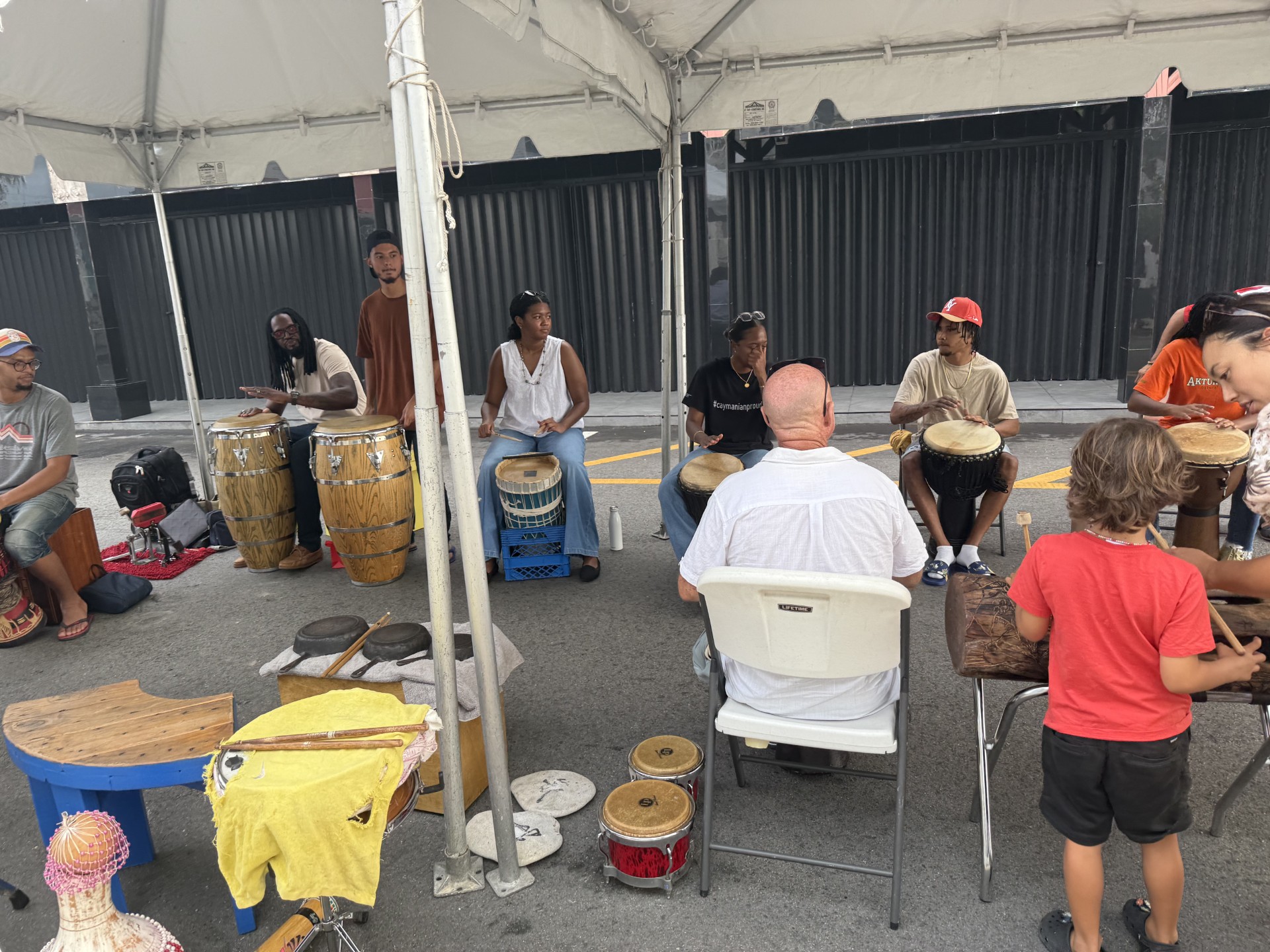
For years, Emancipation Day sat quietly in the calendar; acknowledged by some but not deeply felt in the way it is now beginning to be. But something is shifting. There is a growing sense that this is no longer just history being remembered; it is history being understood.
Because Cayman’s story is not the same as the great plantation societies of the Caribbean.
Slavery existed here, but it existed differently, smaller in scale, more dispersed, less rigidly structured than in plantation economies. Lives were still constrained, still unequal and still shaped by power, but the machinery that enforced that system was lighter, more fragmented.
Social historian, Frank McField said, “When we mark emancipation in the Cayman Islands, we reflect not only to celebrate freedom, but to learn from history with courage, honesty and wisdom.
Emancipation is not just about ending slavery, but about continuing the journey towards dignity, equality and justice. We honour our heritage by learning from the past, both its achievements and mistakes.”
Speaker series
In addition to the Emancipation Day events on 4 May, the National Museum speaker series event on 5 May also paid tribute to the public holiday.
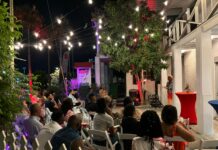
Speaking at the CNCF Studio Theatre, guest curator Dr. Roy Murray’s talk, titled ‘Freedoms Imagined; Freedoms Won: Long Celia & Elizabeth Jane Trusty,’ brought those stories into sharp focus, exploring how emancipation in Cayman was not a single moment, but a lived and evolving process.
Through the lives of two Caymanian slaves, Elizabeth Jane Trusty and Long Celia, the discussion traced how freedom first took shape in thought, resistance, and belief long before it was secured in law.
“The story of emancipation restores voices that were silenced,” added panelist Lucille Seymour, underscoring the role of education in reshaping how the islands understand their past.
Murray’s reflections extended beyond the lecture hall, connecting Cayman to the wider Atlantic story of slavery. After visiting the Bodden Town coastline, he said he will carry two small coral stones back to Africa where he is a history teacher, intending to place the coral rocks near the ‘Gate of No Return’ – a symbolic return linking Cayman’s shores to the origins of those who were forced across the ocean, and a reminder that freedom here was both imagined and hard-won.
Related Videos







This excellent commentary should be part of our local history lessons in Cayman schools, if it is not already.