

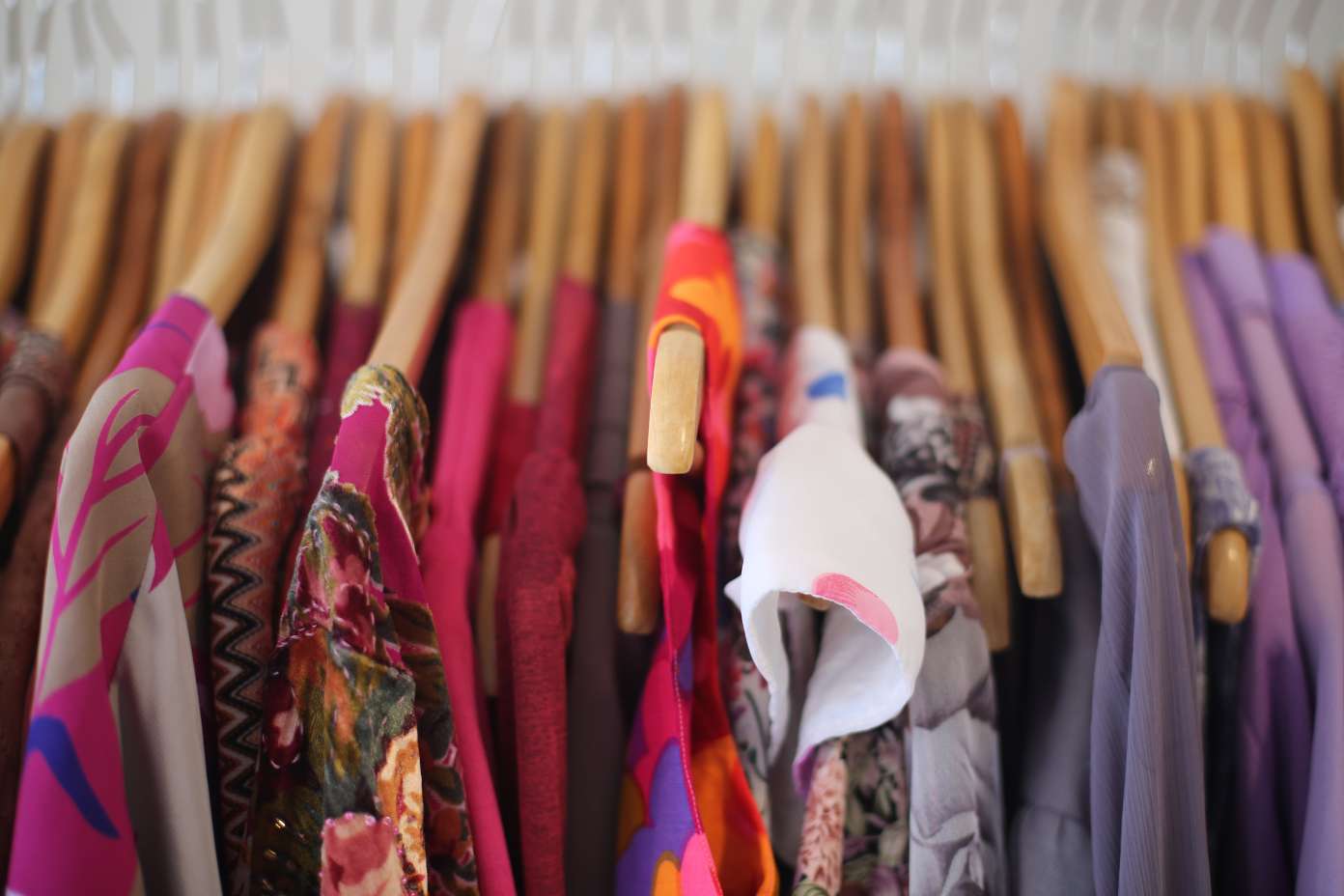
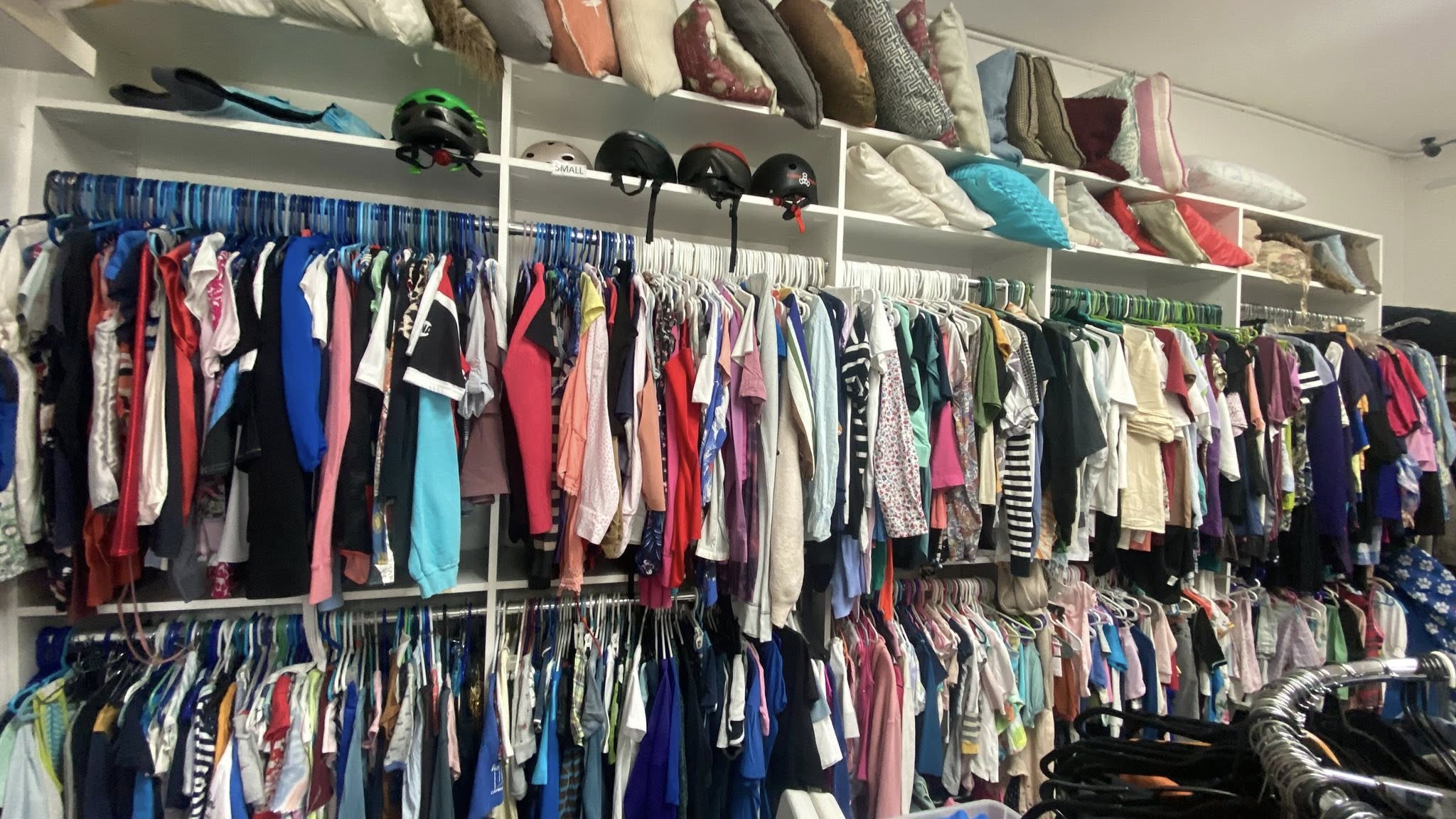
Inside the One Dog at a Time New 2 U thrift shop, circular clothing racks sit close enough for shoppers to brush shoulders with each other as they weave through the aisles. Women’s tops and children’s shirts line racks pressed against the walls, while shelves hold games, electrical items and assorted household odds and ends.
The store is small, but the role it plays is significant. Sales cover as much as half of the dog charity’s essential costs, including veterinary bills, kennel repairs and equipment replacement.
“With so many wonderful donations, which are greatly appreciated, we are able to raise money for the dogs and pups as well as have a huge community benefit,” says Caroline Johnston, president of One Dog at a Time.
Over the past few years, charity shops like New 2 U, thrift stores, consignment boutiques and resale businesses have become increasingly woven into everyday life in Cayman.
What was once seen by some as something people did out of necessity is now attracting everyone from young professionals searching for vintage designer pieces to parents outfitting fast-growing children, and artists transforming used clothing into customised fashion.
Cayman’s growing secondhand economy mirrors a wider global pushback against fast fashion and overconsumption.
The United Nations estimates the fashion industry generates up to 8% of global greenhouse gas emissions, driven in part by the rapid production of cheap, trend-focused clothing often designed to be worn briefly and discarded.
The secondhand ecosystem spans everything from bargain outlets to luxury resale shops and is being driven by affordability, sustainability and a growing appetite for more individual ways of dressing and shopping.
For younger shoppers in particular, buying secondhand has become tied not only to saving money but also to identity and self-expression.
Charlotte Cahill, a 23-year-old Caymanian marketing executive, says she shops secondhand both for sustainability and for the excitement of finding something unusual.
“I thrift for sustainability, as well as to find older unique pieces,” she says. “It always feels amazing to find a deal or an older vintage product from a designer brand.”
She says the appeal goes beyond price.
“I would definitely say I also do it for the thrill of the hunt,” Cahill says. “I shop secondhand quite often, probably more than I buy new clothing, as it’s cheaper and I find even sometimes the quality can be better than some new releases.”
Resale market expanding
Globally, the resale market is expanding rapidly. Online resale platform ThredUp projects the secondhand apparel market will reach US$393 Billion by 2030, with growth far outpacing the wider retail clothing sector.
Cayman appears to be following the trend.
Resaler, Another Chance Thrift Shop has expanded to multiple locations across Grand Cayman – from The Strand to Smith Road to Savannah – drawing shoppers with regular promotions and ‘Colors of the Week’ sales.
Meanwhile, luxury consignment boutiques have transformed resale shopping into something that feels closer to a high-end retail experience.
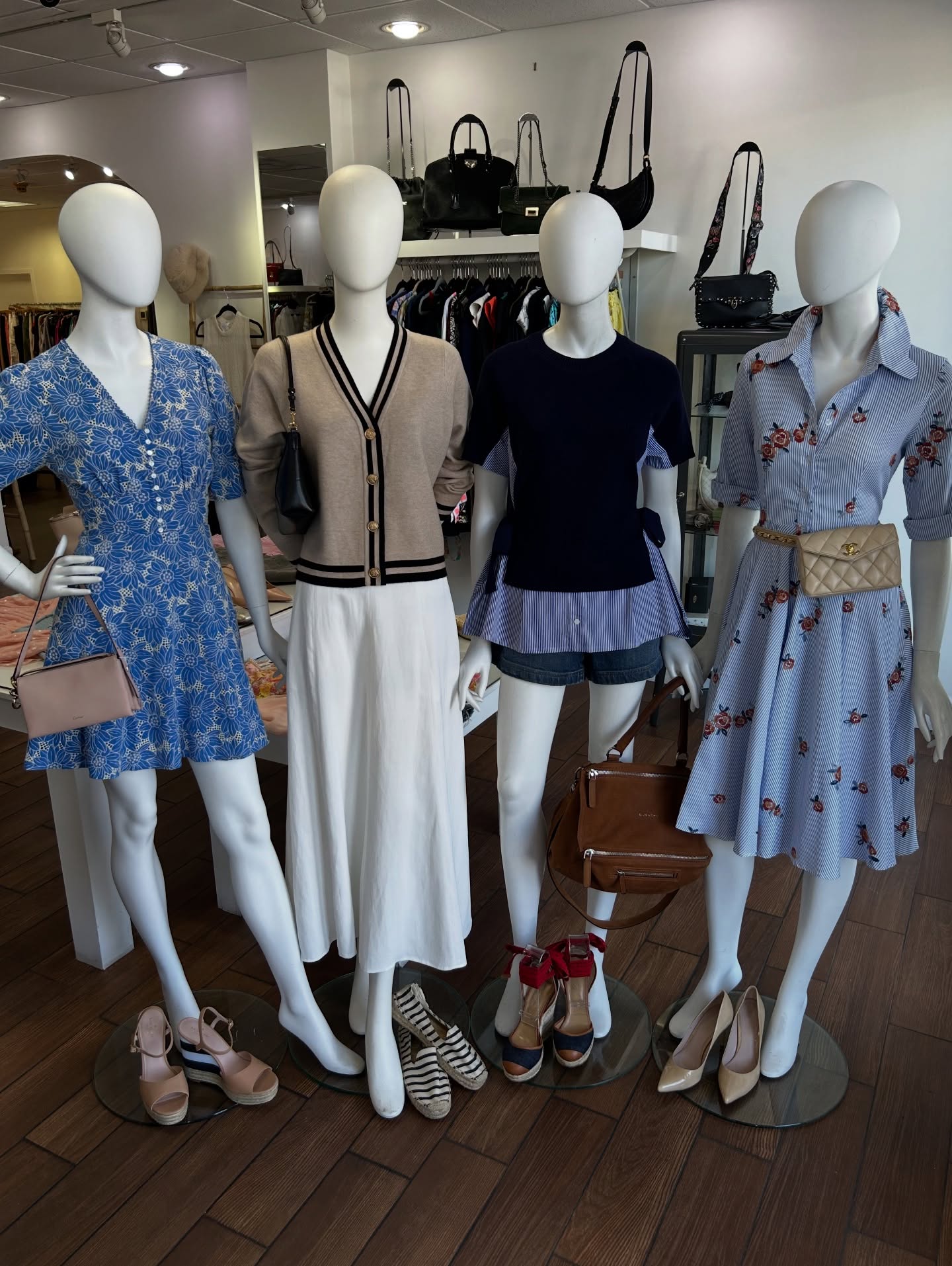
Carey’s Karma Closet, which has operated in Cayman since 2013, is more of an upscale boutique than a traditional secondhand shop. Spacious displays range from mid-market designers like Zara, Free People and J.Crew to luxury labels including Gucci, Dior and Louis Vuitton.
Founder Carey Burns says attitudes toward resale have changed dramatically over the past decade.
“Customers like the environmental aspect and enjoy the thrill of the find,” Burns says.
Demand has become so intense, she says, that the business now rejects potential consignments every day. “We have become very particular in what we accept, based on demand.”
At luxury consignment studio That Bird in Paradise, founder Sonia Sajnani says secondhand shopping has become part of a broader cultural movement.
“Recycling items has become part of a cool culture,” she says. “People are seeing celebrities doing it more frequently as well. … There is a non-stop revolving door of people who want to bring items into the studio.”
Laura Harders, founder of Conscious Closet, says more customers are now checking secondhand stores before buying new.
“We’ve definitely been getting busier in store,” she says. “Most people are turning to see what they can find secondhand first.”
For many shoppers, she says, thrifting offers something mass-market retail often does not – individuality.
“Thrifting is the difference between actually having style or just buying what’s in style,” Harders says.
Even in a territory with one of the highest GDPs per capita in the region, secondhand shopping appears to be thriving partly because of the quality of goods entering the resale market. Luxury items donated or consigned in Cayman are often barely worn and comparable to new products sold elsewhere at significantly higher prices.
Some shoppers say attitudes around secondhand clothing have also softened considerably over time.
“There was once a huge stigma against secondhand clothing because of pride,” says Trina Savage. “I now see young Caymanians shopping in thrift stores all the time.”
Thrifting trend
The trend has become financially significant for local charities as well.
The Cayman Islands Humane Society says its thrift shop, which has operated since 1975, is among its primary sources of income, and helps fund animal rescue and care efforts across the islands. The Cayman Islands Red Cross and the National Children’s Voluntary Organisation also rely on secondhand sales to support their programmes.
For parents like Samantha Dorman Pedley, the appeal is practical.
She says she buys most of her children’s clothing and shoes secondhand because they outgrow them so quickly.
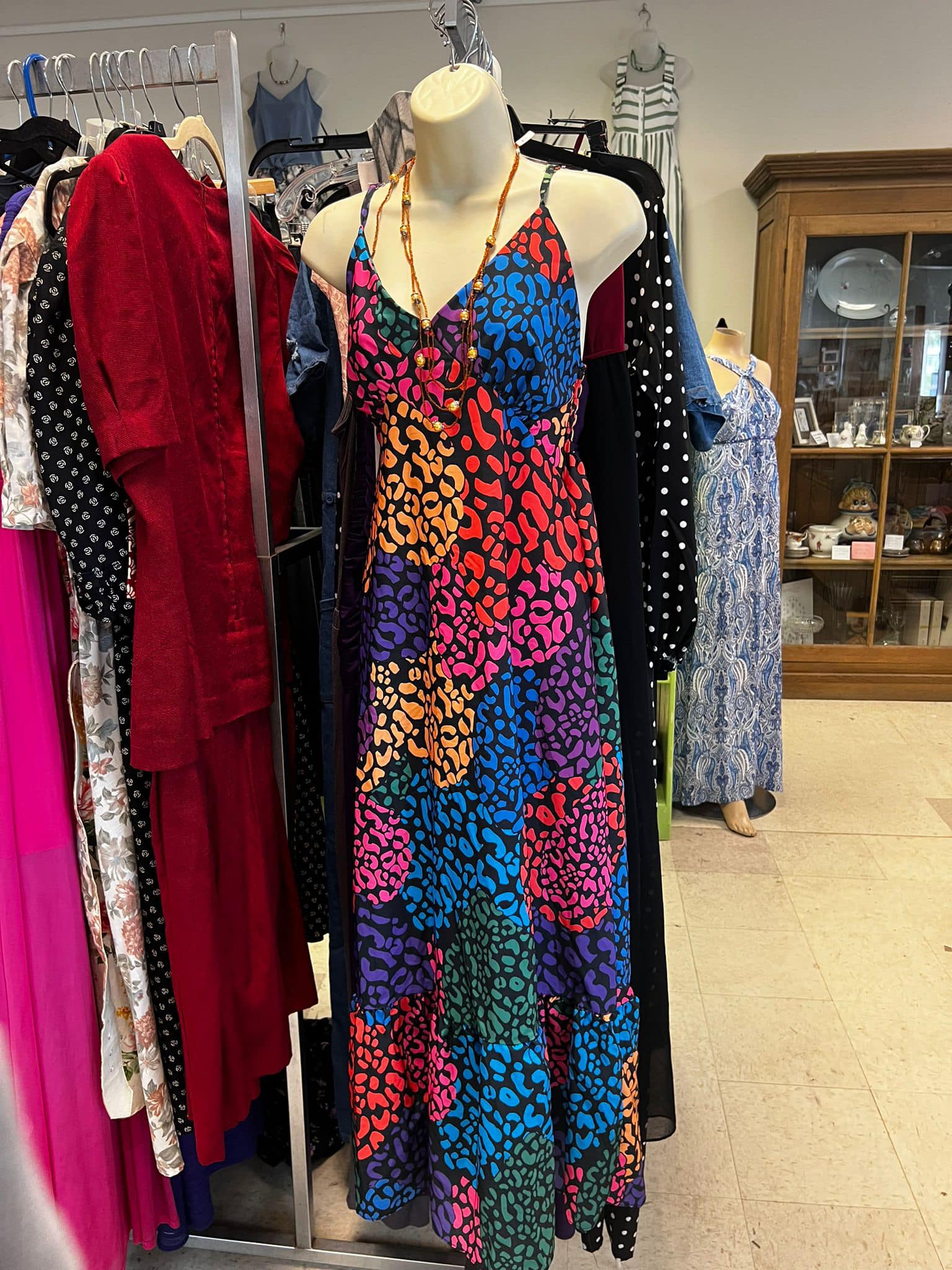
Rachel Osbourne describes thrift stores as “treasure troves”, saying she rarely buys new clothing apart from intimate items because secondhand shops allow her to find colours and styles she genuinely likes instead of whatever happens to be trending in stores.
For some shoppers, however, secondhand fashion is about far more than sustainability or affordability.
Breast cancer survivor Pam Laurenson says thrifting helped her navigate the emotional and practical challenges of dressing after treatment, particularly on days when she chose not to wear prosthetics.
“Finding the right fabric and pattern helped a bit, but making sure it was cost effective was a problem,” she says. “Stores have ‘trends’ and ‘styles’ that can affect the whole experience of shopping.”
Now, as wellness manager at the Breast Cancer Foundation, Laurenson helps lead a partnership with the Humane Society thrift shop that includes a curated ‘Confidence Closet’ for breast cancer survivors.
Creative reuse of clothing
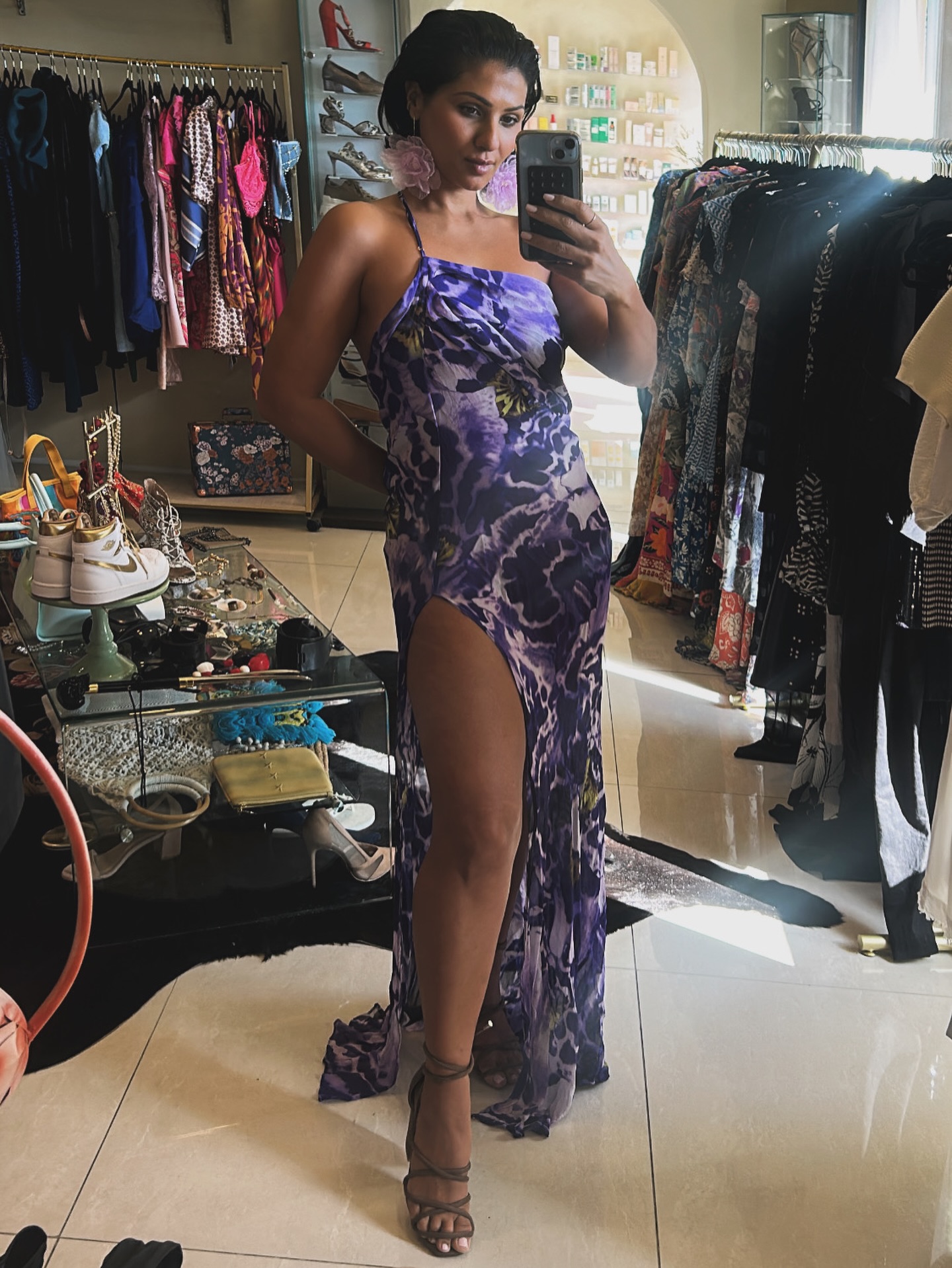
That same spirit of creativity and functional reuse is also driving a growing culture of creative upcycling.
Cahill says she enjoys bleaching and tie-dyeing thrifted pieces “to give them a second life and to make them look more unique”.
Sanjani says she has noticed increasing numbers of people using secondhand fashion as a creative outlet.
“I notice a lot of people wanting to create, to paint on clothing and create their own art pieces with existing pieces of clothing,” she says. “If they find a really good deal, it’s like hidden gems.”
Related Videos







There is a UK charity called ‘Refurnish’ which collects unwanted appliances or furniture which is in reasonable condition at no charge and then sells them in warehouse type shops at AMAZING bargain prices, like the equivalent of CI$10 for a bedside table or small coffee table or chest of drawers for CI$50. Refurnish offer 2 different prices with a lower / discounted price those on benefits (or here it would be those receiving Government assistance or pensioners) and higher for those who are fully-waged. They also donate some items to the local authorities to distribute for use by persons in need. I have often thought that a similar furniture / working appliances recycling charitable enterprise would be a fantastic option – helping those who just want to dispose of unwanted furniture or appliances do so with minimum bother, and for those looking for furniture bargains to buy them while supporting a charity (not just a private seller online).