

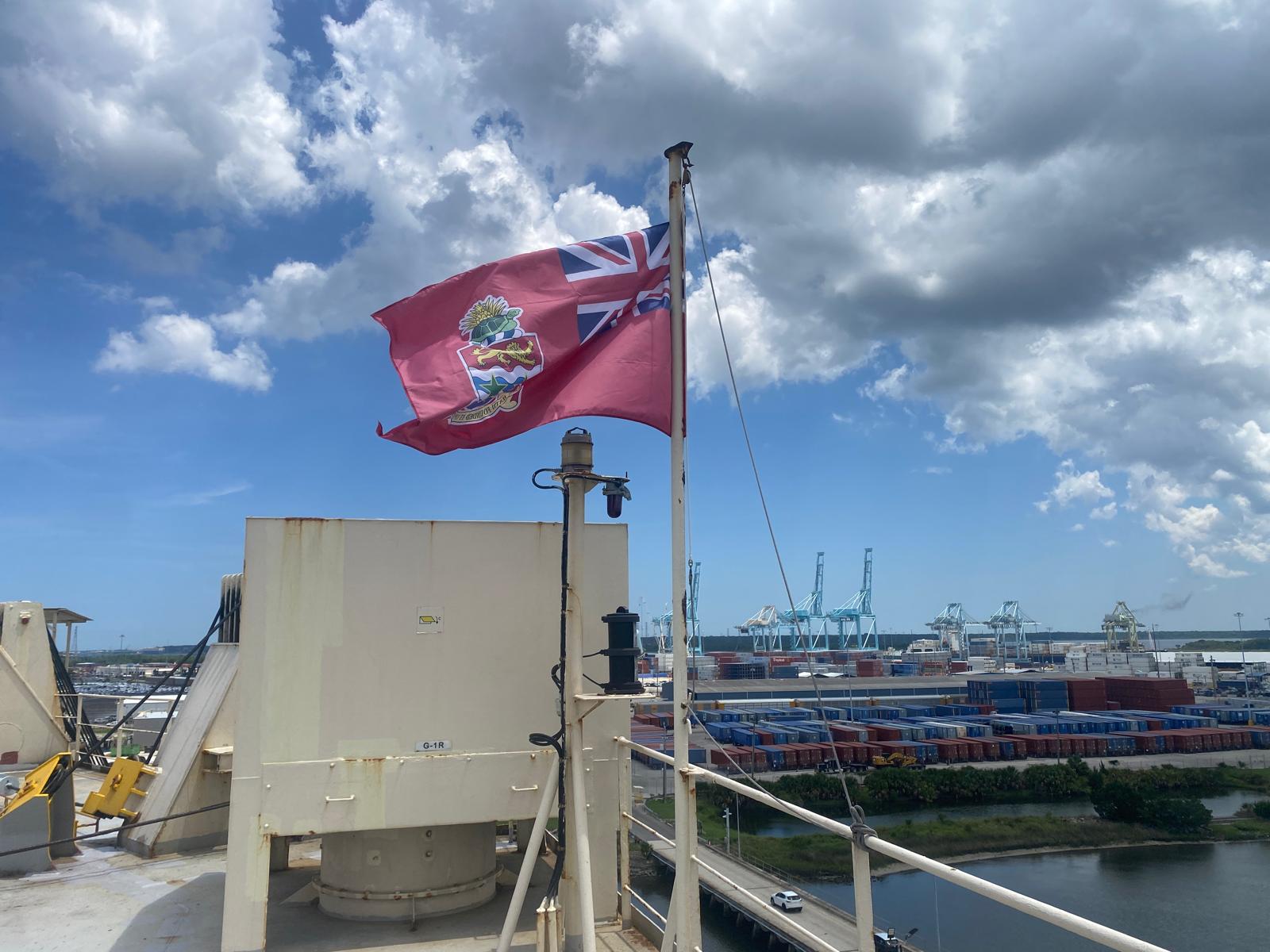
The Cayman Islands Shipping Registry has been ranked the world’s top-performing flag administration after its fleet recorded zero detentions during 299 safety inspections at European ports between 2023 and 2025.
The ranking places the Cayman Islands at the top of the prestigious Paris Memorandum of Understanding White List, one of the shipping industry’s most respected measures of how well countries enforce international standards for maritime safety, environmental protection and seafarer welfare.
A vessel is detained when inspectors identify serious safety or regulatory deficiencies that must be corrected before it can sail. A press statement from Cayman Registry confirmed that Cayman-flagged ships passed all 299 inspections without a single detention.
Premier André Ebanks said the achievement reflects the jurisdiction’s commitment to high international standards.
“Being ranked number one on the Paris MoU White List is a significant achievement for the Cayman Islands,” he said. “It reflects our commitment to international standards, strengthens our reputation as a trusted global jurisdiction, and demonstrates the value of good governance, collaboration and regulatory excellence.”
The Cayman Islands previously topped the Paris MoU White List in 2017.
Joel Walton, CEO of the Cayman Islands Shipping Registry, said the ranking was the result of the work of registry staff and the owners, managers and crews operating Cayman-flagged vessels.
“Attaining the number one position on the Paris MoU White List is an exceptional achievement and a testament to our dedication, expertise and professionalism,” Walton said. “This recognition reinforces our commitment to delivering the highest standards of safety, quality and service to the international maritime community.”
The Cayman Islands Shipping Registry oversees more than 2,700 vessels, including commercial ships and some of the world’s largest private yachts. Maintaining a strong safety record also benefits shipowners, as vessels flying the Cayman flag are generally viewed as lower risk and may face fewer inspections and delays in ports around the world.
Related Videos









What about the other 2,400 ships carrying our flag. Are all the inspections conducted at European ports?., and how often are they due?.