

Figures show “staggering” scale of abandonment and neglect
Around 600 unwanted dogs and cats are euthanized every year by the Department of Agriculture – figures which charities say show the staggering scale of animal cruelty and neglect on the island.
Hundreds more dogs are adopted both locally and overseas every year.
Cayman’s animal charities say they are doing all they can in the face of seemingly endless numbers of unwanted pets.
They believe an animal welfare and enforcement unit, similar to the U.K.’s Royal Society for Prevention of Cruelty to Animals, could be required to deal with the issue and take the pressure off the understaffed Department of Agriculture.
The sheer amount of animals coming in to the Department of Agriculture pound and being put down has surprised charity workers.
“The figures are quite staggering when you take into consideration the size and population of the islands,” said Lesley Agostinelli of the Cayman Animal Rescue Enthusiasts. “It is sad and disheartening to see that for the past four years, on average 600 dogs and cats have been euthanized each year here in Cayman, largely due to abandonment.
“We feel this number demonstrates the lack of resources provided to deal with this issue and a lack of educational awareness within the community.”
The figures, released following an open records request filed by the Compass in November last year, show that 443 dogs and cats were euthanized in the first 11 months of 2013.
In 2012, 634 animals were put down. The figure for the previous year was 506, while 771 were euthanized in 2010.
The Department of Agriculture advertises animals turned into the pound for adoption through a website jointly operated with the veterinary school at St. Matthew’s University. However, banned breeds, such as pit bulls, cannot be put up for adoption.
There are currently 14 dogs advertised for adoption on the site, compared with a monthly average of 35 dogs turned into the pound.
The figures suggest only a small fraction are reclaimed or rehomed. In 2013, 594 animals – 369 dogs and 225 cats – were admitted to the pound. Only 111 were rehomed.
The Cayman Islands Humane Society shelter has been at capacity and technically closed to new admissions since May last year.
Lesley Walker, of the society’s board of directors, said shelter workers did everything they could to help, but sometimes had to turn away adult dogs.
She said the community needed to focus on the root of the problem by educating the public on how to properly take care of pets and promoting the benefits of spaying and neutering.
“At the moment, pets are permitted to have numerous litters and the puppies or kittens are handed out to family, friends and neighbors, the animals are never brought anywhere for spay or neuter and so the cycle continues endlessly.”
A lack of enforcement of animal welfare legislation, as well as animal control laws, has also been highlighted as an issue.
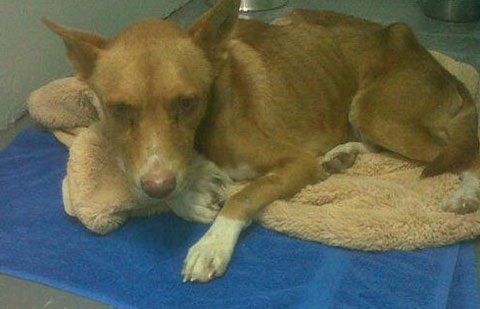
An 18-month-old dog, named Teddy by welfare workers, was dumped at the Humane Society last month, starved and near to death. No prosecution has been brought against the dog’s owner.
Periodic spates of dog poisonings, meanwhile, have been attributed to frustration in the community with nuisance dogs that are allowed to roam freely and raid bins or chase chickens. Prosecutions are rarely brought, either for failure to control dogs, or for the poisonings.
Ms. Agostinelli accepts that the police have bigger issues to deal with than animal cruelty or nuisance. But she believes a private sector society, potentially funded through dog licensing fees, would go a long way towards dealing with the issue.
“Having an organization privately funded but recognized by government as the enforcers of the animal laws will go a long way in improving the lives of the animals here in Cayman and remove the responsibility and financial burden from the already understaffed and underfunded Department of Agriculture,” she said.
She said a system of registering and microchipping pets would help create a chain of responsibility when animals were mistreated or abandoned.
Tracey Goldie, one of the co-founders of the Canine Friends organization, which attempts to “rescue” dogs from the Department of Agriculture’s pound and get them adopted overseas, said her group had some success since setting up in October 2012. She said the charity had taken 63 animals from the department over that time and transferred them to new homes off island.
She said the Department of Agriculture worked with the charity to help get adoptable dogs rehomed.
Ms. Agostinelli sees some room for hope in the slight decline in the number of pets euthanized over the past four years. She said CARE was currently financing around 300 spay and neuter surgeries every year – a campaign which would have an impact on the numbers of stray and unwanted pets in years to come.
“The numbers, whilst very depressing, do show signs of decline and I believe this is in part due to the positive steps being made by the numerous animal rescue groups here on island,” she said.
No-one from the Department of Agriculture responded to requests for comment.
To adopt an animal from the Department of Agriculture pound, check smustudents.webs.com.


Related Videos







All the while this is happening, we have enterprising fools selling puppies for hundreds of dollars on local trade sites.
This story and situation is shameful.