This year’s Association of Caribbean Occupational Therapist conference will be hosted by the Cayman Islands.
The one-day conference, which will be held virtually, is scheduled for 30 Oct. and will be hosted by the Cayman Islands Occupational Therapy Association, which was formed in 2013 when the Cayman Islands last hosted the conference.
The organisers said that holding the conference virtually will allow for global access for occupational therapists and other interested professionals to attend without needing to travel.
The association, in a press release, explained that occupational therapy is a healthcare profession “based on the knowledge and belief that being able to do the daily tasks and roles that are important to us is essential for our health and well-being”.
“These tasks can include self care, productivity and leisure… [which include] playing, learning at school, washing and dressing, managing household tasks or doing our favourite hobbies – any activities that are meaningful to us that we need to be able to do to lead fulfilling lives,” the association said.
Occupational therapists work with people of all ages and with a range of developmental, physical and psychosocial conditions and abilities. They offer developmental and rehabilitative support, practical assistance, and advice to support people to overcome challenges and barriers.
On Grand Cayman, there are currently 18 paediatric occupational therapists who work with a range of ages, from newborns babies to 18-year-olds, and four occupational therapists who work with adults.
The therapists work in both the public and private sectors, in schools, hospitals, outpatient clinics, learning disability facilities, mental health facilities, and in the community.
Helping children
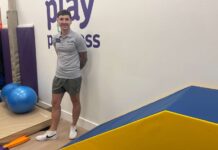
According to the association, occupational therapists assist children to complete their self-care tasks, such as getting dressed and feeding themselves, and daily life and productivity activities, such as playing with toys and participating in sports and games, as well as engaging to the best of their abilities with the demands of school.
“OTs use play to develop and/or regain and strengthen foundational abilities, such as motor, perceptual and sensory skills. These include fine and gross motor skills, hand-eye coordination capabilities, sensory modulation and regulation abilities whilst maintaining age-appropriate attention and focus,” the association noted.
Working with adults
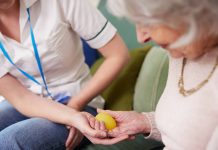
Occupational therapists also offer practical support and advice to adults to help them manage their daily activities, engage in social and vocational roles, increase their independence and self-efficacy, and increase their quality of life.
“This support can include teaching or strengthening skills to assist with managing aspects of daily life; suggesting adjustments or equipment that could make things easier; providing practical tips, techniques and guidance to support people to live independently; and promoting and using meaningful activity to increase physical and emotional well-being,” the association said.
Accessing occupational therapy
Health insurance can cover a certain amount of private occupational therapy services. To access Health Services Authority occupational therapy, a referral is needed from the patient’s doctor.
Free services are available in public schools, after a referral is completed by a Special Educational Needs teacher and an assessment carried out. For children under 5 years old, and not in public school, the Early Intervention Team offers free therapy services, including occupational therapy.
Access to the adult learning disabilities occupational therapist is via referral to the Sunrise Adult Training Centre.
Related Videos