

The first-ever Coral Fest will be held in the Cayman Islands on Saturday, 6 Nov. to celebrate the reefs that surround the islands and to educate the public on the challenges they are facing, such as the encroaching stony coral tissue loss disease.
The festival will be held at the Grand Caymanian hotel (formerly the Holiday Inn) in SafeHaven, from 11am to 5pm.
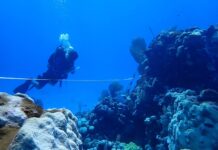
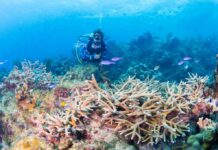
The Department of Environment, which is organising Coral Fest, noted that Cayman’s reefs are home to more than 45 different kinds of corals and more than 125 different species of fish, and vital to the marine eco-system.
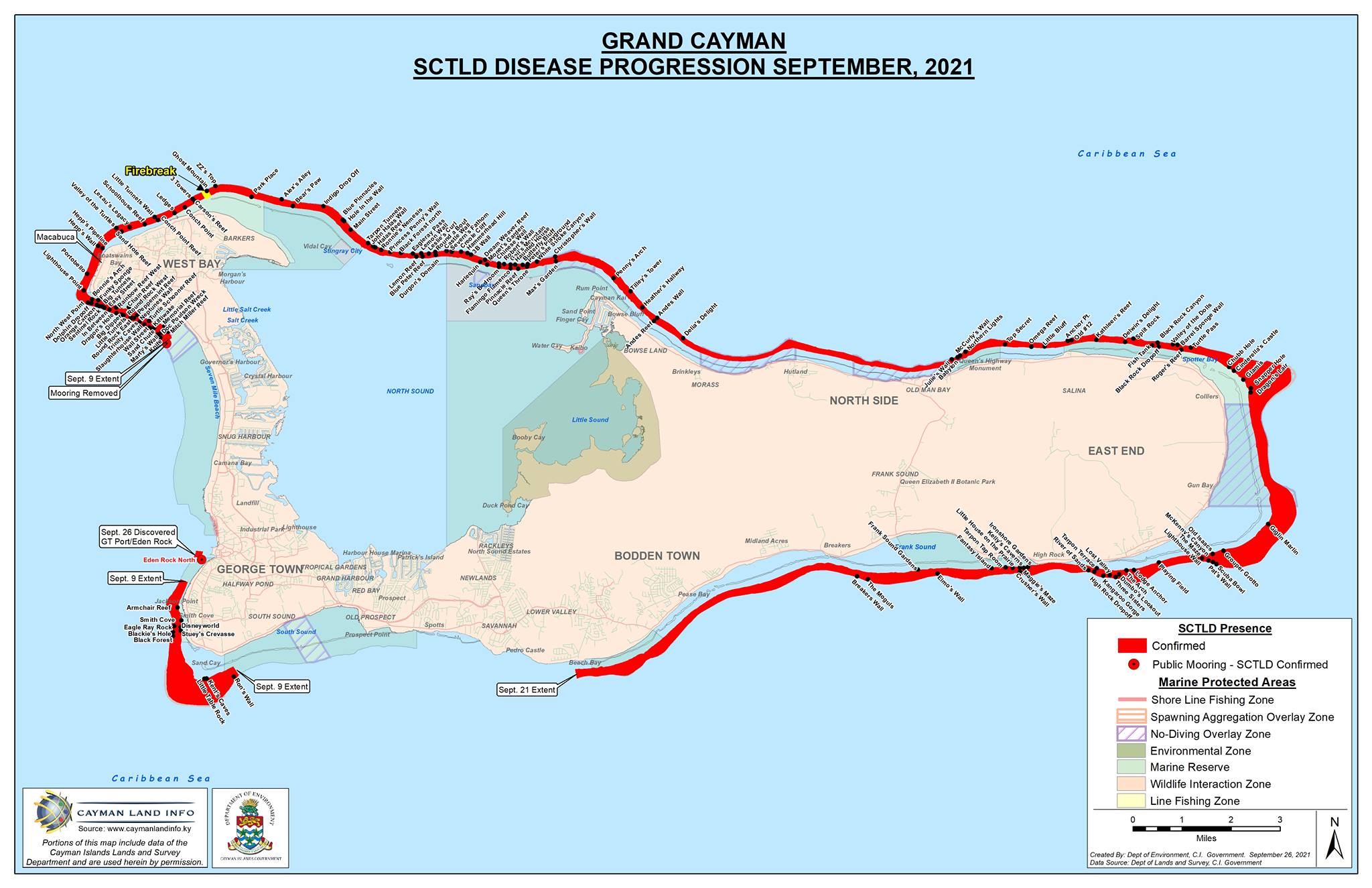
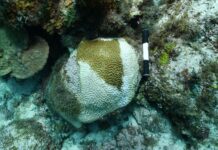
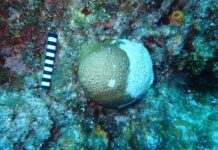
However, stony coral tissue loss disease – or SCTLD – is making its way around Grand Cayman and threatening local coral reefs. The disease, first found locally in June last year, off North Side, has spread to almost every part of the island’s coastline.
SCTLD was first discovered in Florida in 2014 but it has now made its way to many coral ecosystems throughout the northern Caribbean.
At Coral Fest, scientists of the DoE’s SCTLD Response Team will talk about their work and about coral biology, ecology and cultural significance.
Battling SCTLD
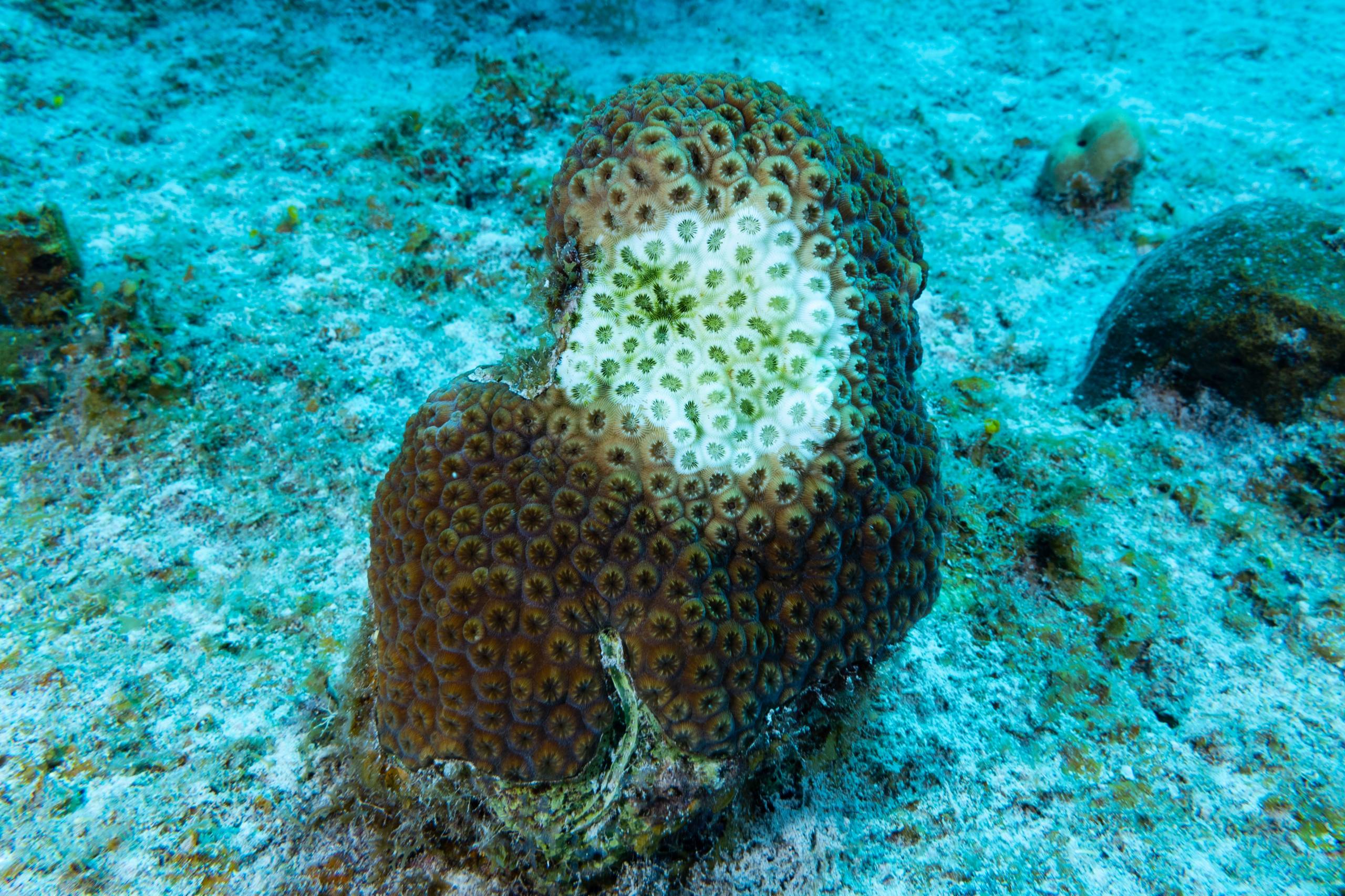
Marine scientist and SCTLD Project Coordinator, Tammi Warrender, in a press release, explained how infected corals are treated with special antibiotics which have been proven to slow down progression of the disease.
“We are treating dive and snorkel sites which have been identified as priority reefs in Grand Cayman, because they are high in coral cover and particularly important for tourism or recreation,” she said. “The antibiotics cannot stop the progression of the disease as we cannot ‘pre-treat’ the corals.
“However, the ability to successfully treat the disease lesions when they appear is groundbreaking research and allows us to save individual corals with the hopes that they do not become repeatedly infected.”
She added that the DoE teams and volunteers are collecting data to aid other researchers in developing new treatment methods and sending coral samples to specialists who are investigating the cause of SCTLD.
“We’re doing everything in our power to give our reefs their best chance of survival. A large part of that is advising the public on what they can do to help stop the human spread of SCTLD, which is to not risk spreading the disease around, especially from Grand Cayman to the Sister Islands,” she said.
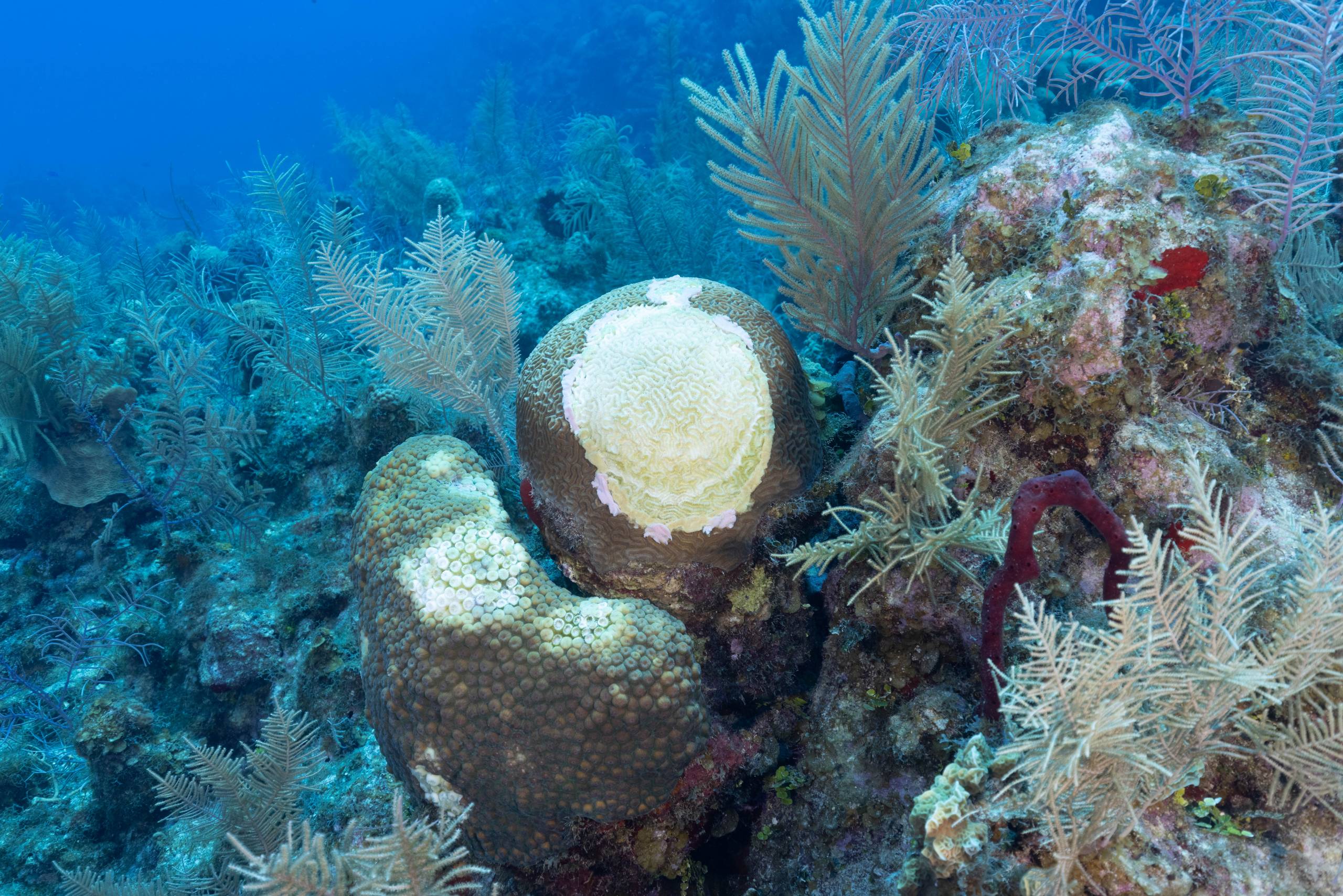
Since little is still known about the disease and how it spreads so quickly, advisories have been distributed across the islands with guidelines for disinfecting dive and snorkel gear, and boat bilge water. This is done with the intention of slowing the spread in Grand Cayman and to prevent transferring the disease to the Sister Islands which are currently SCTLD-free.
“Obviously there is a chance of natural spread but we have strong indications from here and other regions that the disease might be spread by people as well,” Warrender said. “All it may take is for one item of contaminated dive gear or one boat with infected bilge water to be taken to the Sister Islands and suddenly our safest corals face the devastation of SCTLD.”
Getting children involved
Marine researcher, SCTLD Response Team member and event organiser Sabrina Weber announced there is also a poster competition at Coral Fest for children aged 10-18.
“The DoE has been working to increase awareness about SCTLD, why protecting our coral reefs from this disease is so important, and how the public can contribute, but to help get the message across, we thought it would be really great to get some young minds involved,” Weber said.
“We therefore created the SCTLD Poster Competition earlier this month and are inviting kids from all over the Cayman Islands to design a poster explaining why our reefs are important to them and what we can do to protect them from SCTLD. We’re really excited to see what the kids come up with.”
The contest will have three age groups, 10-12/13-15/16-18, with prizes in each category. Submissions may be made by an individual, team, or class within each age category and will be voted on by members of the DoE. Finalists will be displayed at Coral Fest for public voting and winners announced at the end of the day.
Poster submission guidelines:
- Entrants can either create the poster digitally or hand-make a physical poster and take a photograph of it, then convert it into a pdf document.
- File format – PDF
- Digital posters selected as finalists will be printed by DoE and displayed at Coral Fest.
- Physical posters should be kept in case they are a finalist, so they can display it at Coral Fest.
- Posters should be 24 inches x 36 inches
- Posters should include the Department of Environment logo
Weber said, “We want people to know what is going on under the sea surface, and to have the opportunity to learn about and appreciate our reefs before they change forever. So everyone, especially families or anyone who likes to spend any time on the water, boating, jet skiing, fishing, snorkeling and especially diving, is encouraged to visit Coral Fest.”
At the festival, there will be a wide range of coral-themed booths, games and raffle prizes, including gift certificates, staycations, paddleboard lessons and more, organisers said.
Entry is free, and food and drink specials will be available at the Grand Caymanian Driftwood Bar & Grill.
For more information, email [email protected] or visit www.doe.ky.
Related Videos







IMHO…The battle for slowing the spread of SCTLD on Grand is lost already. NOTHING we can do will stop it. (Maybe we can save the odd dive site.) The battle for stopping it spreading to the sister islands has already begun. We need to concentrate our resources there.
If/when it arrives it must be spotted early and eradicated. I would consider a total ban on personal dive gear from Grand/US/UK other than dive computers (I have my own gear and would hate to dive on rental, but if it is carried by divers this may be the only way.) and also restrict inter island boat traffic other than the barge, which will need very close inspection/monitoring of tug bilges on every trip. We need to get a system for constantly monitoring the reefs on Brac and Little into operation straight away. We need a DOE team on there working with local dive operators ASAP. Frankly if this is not taken seriously now, it seems only a matter of months before we lose the lot. I only hope someone is listening.
I would love to see this again when Grand Cayman is opened back up for the tourism so that the International Diving Community could enjoy the event!