High inflation, the loss of purchasing power over time, is not a phenomenon confined to the Cayman Islands. The US, the most important source market for imports to the islands, saw annual price increases of 7.5% in January, the highest in four decades.
In the US, prices for food, electricity and housing are the largest contributors to the increase. The average price of a used car has surpassed a staggering US$28,000.
Across developed countries that are members of the Organisation for Economic Co-operation and Development, annual inflation jumped to 6.6% by December 2021, the highest level since 1991.
So why is inflation higher than in decades?
Generally, economists blame increased inflation on a combination of soaring demand and various supply issues following the COVID pandemic’s impact on global trade.
In other words, consumers are buying a lot more goods and services, while supply is limited.
Demand surge
On the demand side, the lockdown of economies during the pandemic, unprecedented outside of war times, impacted consumers in several ways.
Many were hit by unemployment and had to dip into their savings.
Special report: Cost of Living
But those who kept their jobs were often in fact able to save money. With fewer things to buy, limited entertainment options and nowhere to travel, households overall put money aside, sometimes supported by government stimulus cheques, like in the US, or the ability to withdraw pension savings, like in Cayman.
Some even saw their personal wealth increase as stock markets continued to rise. Although the pandemic dented economic growth, job markets have recovered swiftly.
The US has by now reached full employment and wages are rising.
As economies gradually reopened, consumers had the desire to spend, and they had the available purchasing power.
With some shops still shuttered or featuring only old stock, this first led to a massive global increase in online shopping.
It also drove up housing prices, which in turn put pressure on rents. Meanwhile, rampant construction activity, buoyed by cheap mortgages amid low interest rates, pushed up the demand for building materials.
Supply constraints
This sudden increase in consumption has run up against constrained supply.
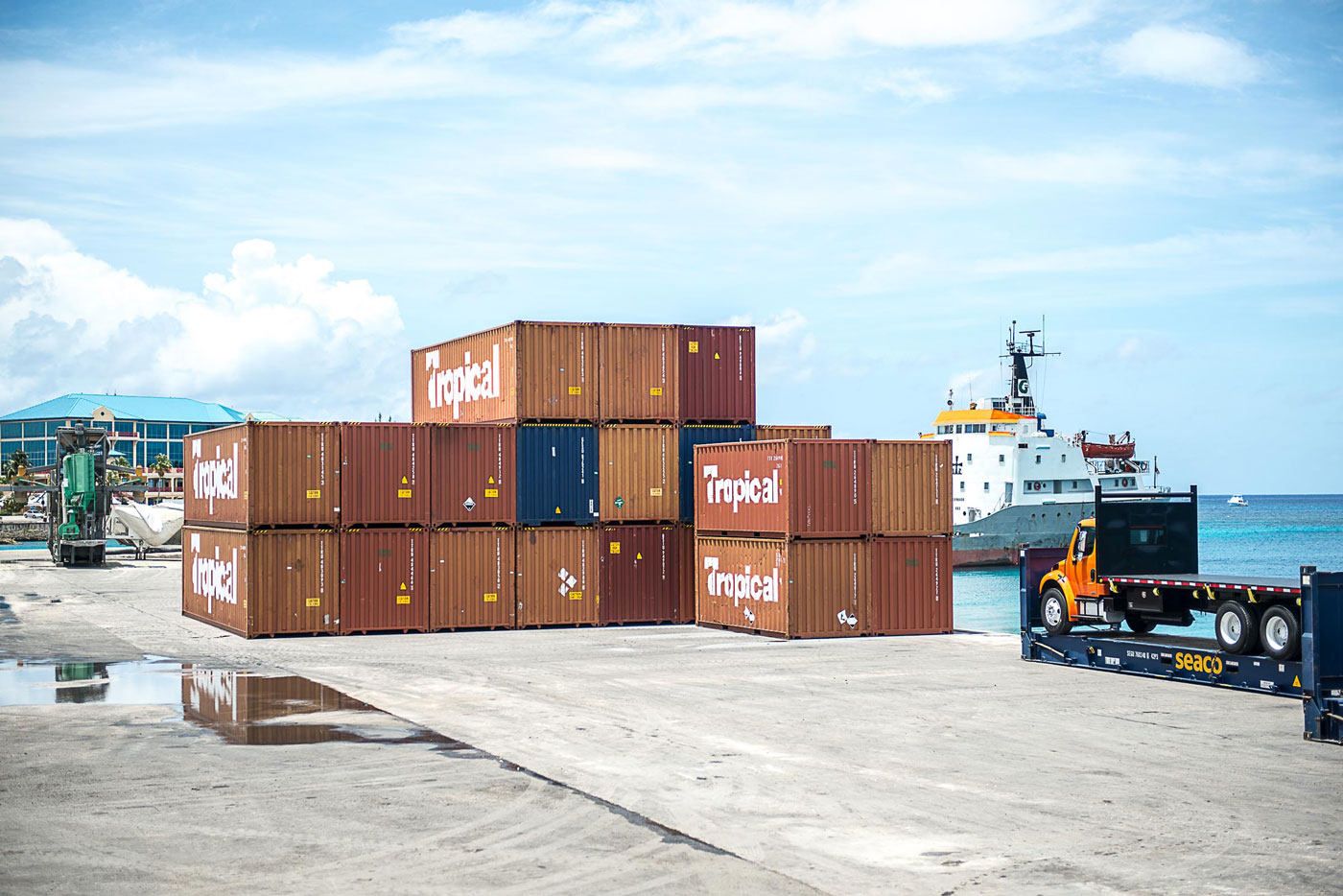
Many factories that were shut down early in the pandemic could not reopen quickly enough and decommissioned cargo ships could not be replaced in time. Shortages of shipping containers and clogged-up ports exacerbated the problem.
In some industries, labour shortages, including a lack of truck drivers and factory workers, have added to the strain on the supply chain.
The shortages and transport problems have made raw materials more expensive for companies and many have raised prices to cover their costs.
In some, albeit rarer, cases, companies have realised they can raise prices without losing customers and added to their own bottom line.
Who is affected most by higher prices?
Although they contributed much less to the surge in demand, poor households are impacted the most by high inflation.
That is because they spend a much bigger portion of their budgets on essentials like food, housing and fuel, and less on discretionary expenditures.
Poorer households also tend to spend a disproportionate amount of their income on energy. And energy prices have shot up as they are subject to the same mechanics of increased global demand hitting limited supply.
The less-well-off are also not as likely to see pay rises to compensate for the increased cost-of-living.
How long will this last?
Although supply issues have persisted much longer than initially expected, there is strong consensus that they will be resolved and inflation will decline significantly, but not before the second half of the year.
On a month-to-month basis, rather than a rolling 12-month comparison, consumer price index numbers in the US peaked in October and have moderated since.
The US Federal Reserve is expected to start raising interest rates as early as March. While this will not fix any of the supply issues, higher interest rates will dampen demand, which should gradually ease the pressure on prices.
Related Videos