

Early data from a new COVID immunity test appears to confirm the waning impact of vaccines over time.
One in seven of the first 84 people to receive the test had antibodies below the level projected to provide robust immunity against the virus, or were close to falling below that threshold, according to results from Integra Healthcare.
Those individuals, all of whom had been vaccinated, would likely need a booster shot within the next month to maintain protection against catching COVID, the data suggests.
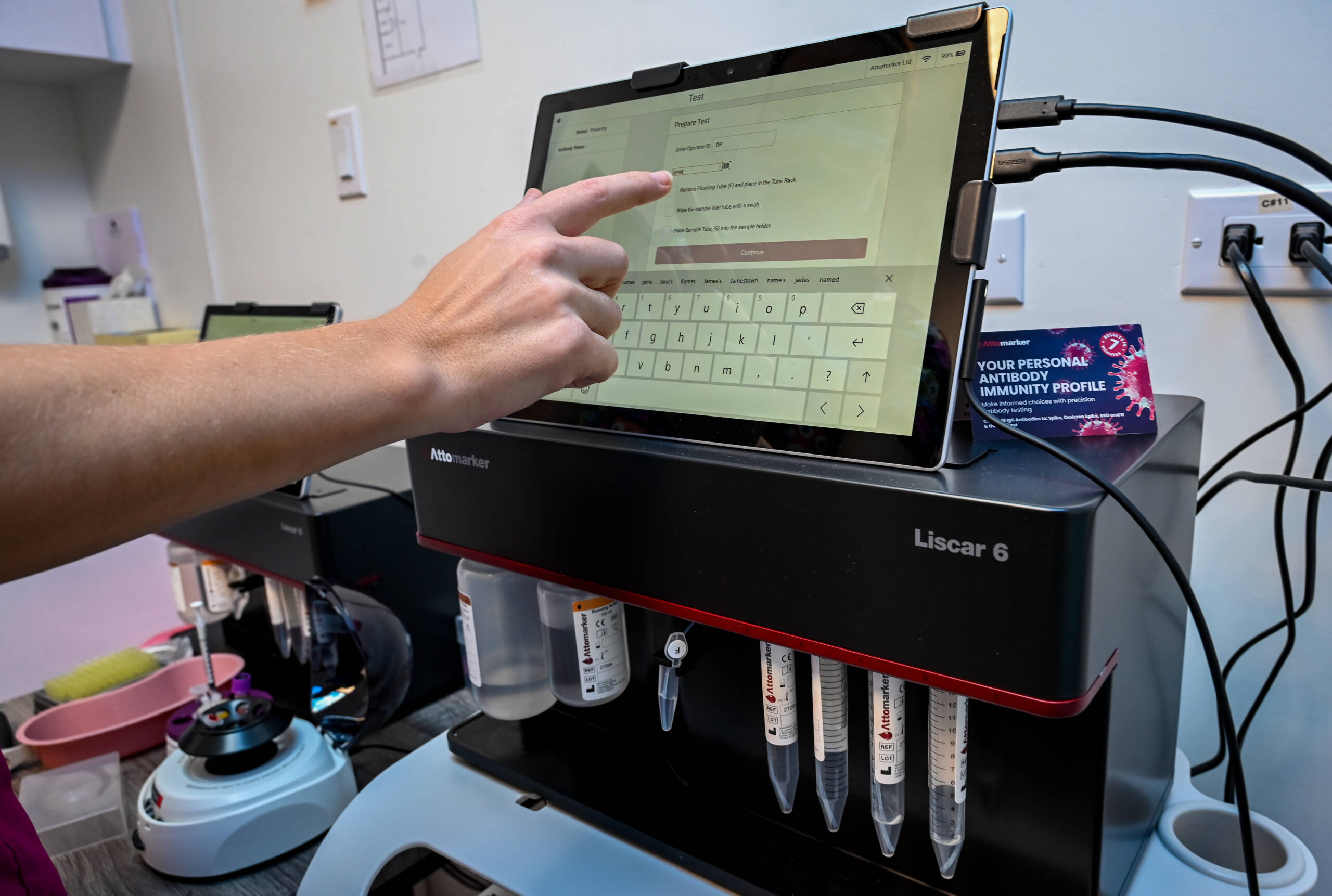
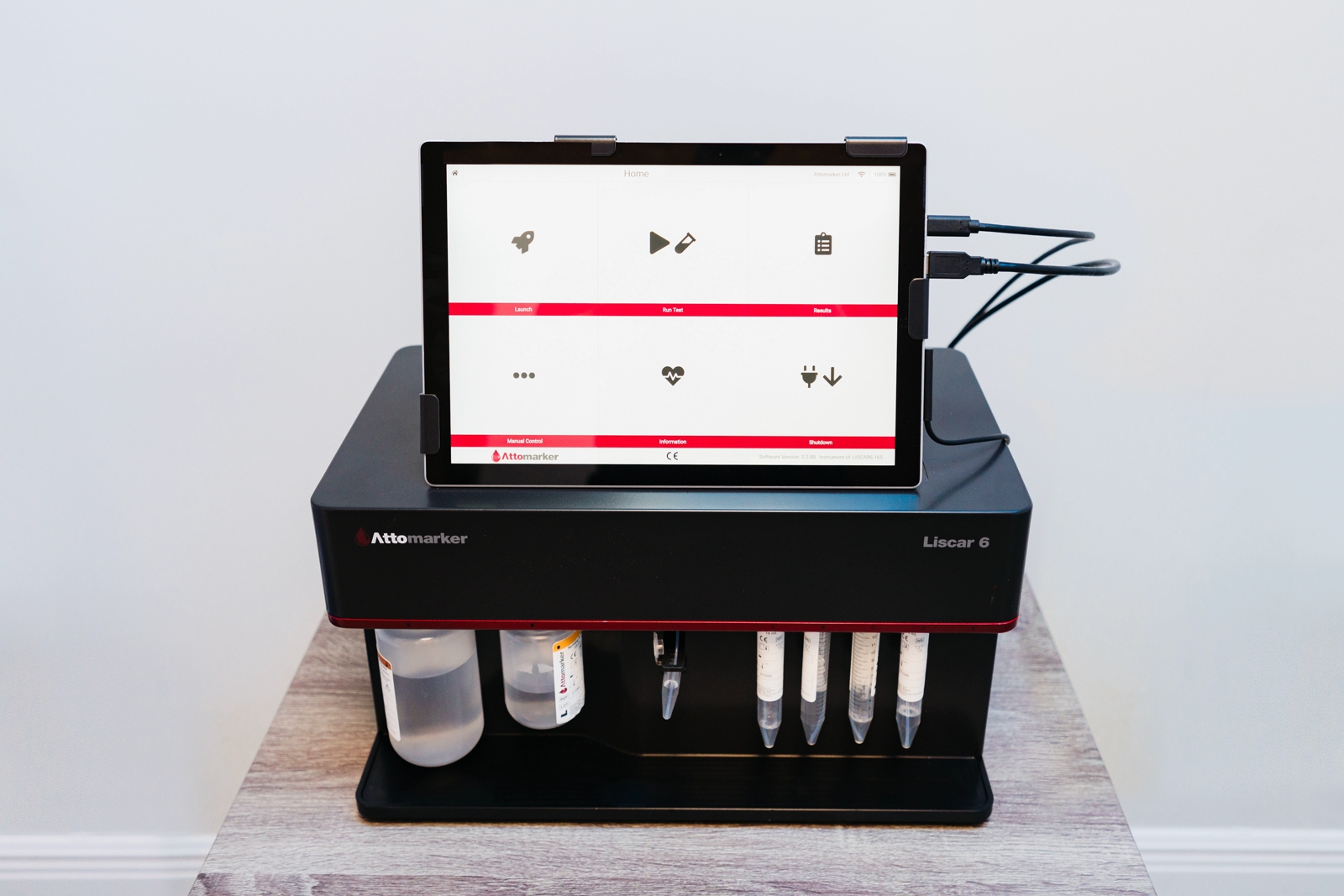
The Attomarker Covid-19 Antibody Immunity Test gives a real-time analysis of immunity levels and compiles a personal risk profile for the virus, indicating when the patient is expected to fall below the threshold to fight off the virus.
It was introduced in Cayman by Integra earlier this month.
Dr. Francisco Martinez, the clinic’s medical director, said the results do emphasise the likely need for booster shots for much of the population.
He added, “With a 29% booster rate in Cayman, after a very strong first vaccination programme, we would expect to see immunity towards COVID-19 waning or declining by now and that is reflected in this early data.”
“The very first patients I saw, a husband and wife, found that, despite being vaccinated at fairly similar times, one had robust antibody levels whilst the other had almost no antibodies remaining,” said Martinez.
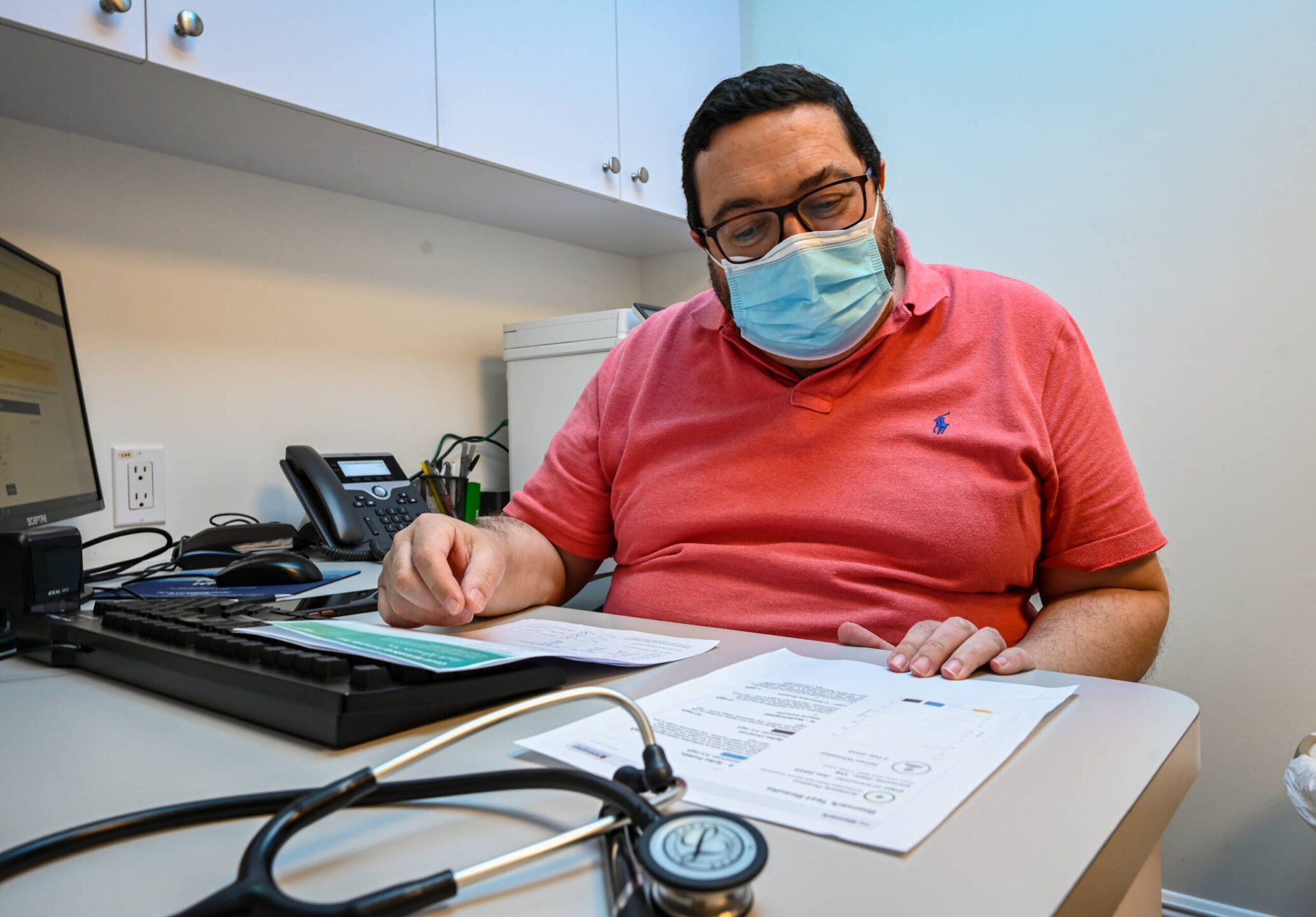
“That individual had reasons to ensure continuing protection and decided to get a booster as swiftly as possible. I have advised a number of patients this last week in similar circumstances.”
One of the touted advantages of individual immunity testing is that it provides more precise information on if and when to get the booster shot.
Younger people and those who have had COVID – which acts as a natural booster – may not need to get their third shot as quickly.
Given the waning immunity protection provided by vaccines over time, Martinez said the test enabled patients to make informed decisions and time their jabs to maximise their immunity window.
“I am delighted that knowing your own immunity status seems to be encouraging people to choose getting a booster,” he added.
For others, the test has persuaded them to wait.
“I have also seen very high antibody levels, even in individuals who were vaccinated some months ago,” he said.
“The good news in this is that these individuals can be reassured they have robust immunity levels, and this helps avoid over-stimulating the immune system or re-stimulating too early, which we know can have some consequences in certain people.”
Integra cautions that the results are from a relatively small data sample in the first week of testing.
Director Andrew Vincent said the clinic had sought consent from all patients to report anonymised, aggregated results in the hope that it would provide useful data for Cayman’s medical community and public health leaders.
“It was our first week and we had no idea what kind of reaction we would get. Interest was very high. We tested 84 individuals, with some very interesting results emerging,” he said.
“It’s very early days yet but that data will likely prove invaluable, both to understand where we are as a country but also to support increasing our booster rate. It’s already having a positive effect in that.”
Of the 84 people tested, seven were already below the recommended level of 3.4mg of antibodies per litre of blood – considered the ‘immunity threshold’.
A further five were predicted to reach that immunity threshold within 30 days of their test date. That translates to 15% of the cohort that had limited or no immunity.
The test looks at antibody levels against the original COVID-19 variant and the newer Omicron variant, providing data on these separately.
The Cayman Islands has a high “double” vaccination rate, 57,627 or 81% having received two doses but a low booster rate of 20,969 or 29%.
Officials have set an initial target of getting 60% of the population boosted and a longer term goal of 80%.
Some countries are now using immunity testing as a means to guide decisions on a fourth vaccine dose.
Malta, for example, has announced plans to use the test in elderly and vulnerable populations to help inform policies on future boosters and national restrictions.
Martinez said it was early days for immunity testing in Cayman.
“As we test more, we will develop a better picture,” he said. “This data is not yet enough. We need to know more about these individuals with waning immunity. Are they elderly or vulnerable, or are they in lower risk groups? If we can identify them, we can encourage them to get boosted for their protection.”
He said more research was also needed on the level of ‘natural immunity’ boost provided by contracting COVID, as opposed to getting a vaccine shot.
“The results are showing that immunity levels brought by the virus itself seem to be very low but we have just a few patients at this point. I am worried that some are using that as a reason not to vaccinate or boost. It is, in fact, even more of a reason to find out your actual antibody immunity.”
Related Videos









The cited test (which is by a lab that sells such tests) in this story is for circulating antibodies only and not immulogic memory. While this makes for a good story, the human body is much more robust. It is an incorrect assumption you are immunologically naive should you be exposed to COVID post infection or vaccination simply because your circulating antibodies are low or undetectable. There are many journal articles to this point.
“Circulating antibody titers were not predictive of T cell memory. Thus, simple serological tests for SARS-CoV-2 antibodies do not reflect the richness and durability of immune memory to SARS-CoV-2.”
https://www.science.org/doi/10.1126/science.abf4063