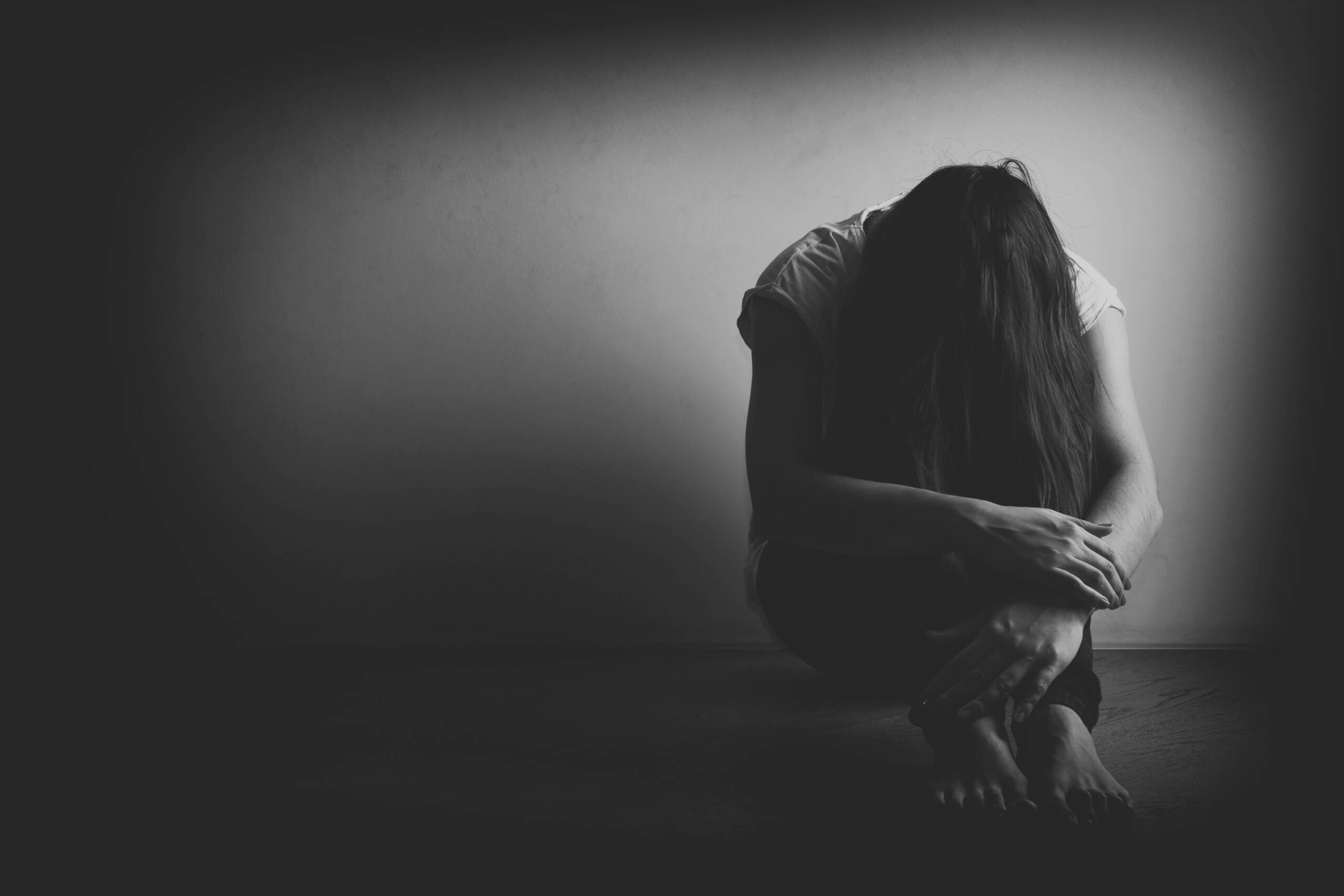
Being a teenager isn’t easy. Now, added into the mix are the stresses and strains of a two-year global pandemic, with the related isolation due to lockdowns and quarantines, increased anxiety over academic performance while homeschooling, and heightened tensions at home as parents struggle to make ends meet amid job losses and reduced work hours.
Cayman’s children, like others around the world, are facing a crisis of self-doubt and loss, which is leading to an increased risk of mental health issues, local experts say.
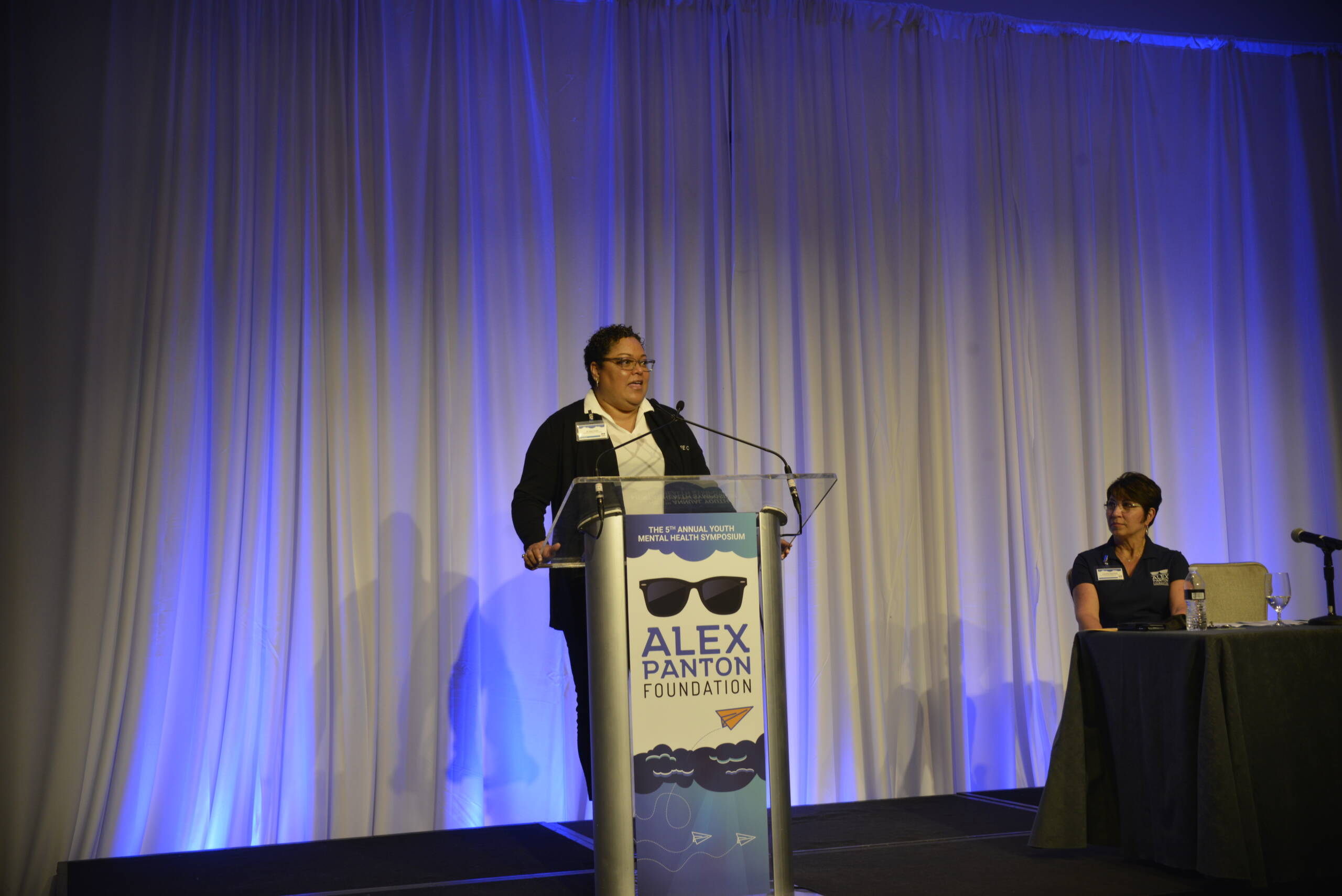
Clinical psychologist Dr. Shari Smith, addressing the recent Alex Panton Foundation’s Youth Mental Health Symposium, said, “All of our children have been affected at some level by this pandemic.”
“There is an overwhelming sense of loss” among many students, she said, “especially among those who may have missed out on significant milestones in their lives, like high school and university graduations, completing practical and internship placements, their senior year, their prom.”
She added, “Those who have completed their studies in 2021 feel they have missed out on a significant amount of their studies because of the restrictions and lockdowns. Those graduating this year express concerns and shock that they are even graduating and whether they are even prepared to go into the world of work. There is an underlying sense of self-doubt within those students, because they don’t feel like they got the real full experience of being in university and accessing their studies, whether they studied locally or overseas.
“Unfortunately, these moments of self-doubt and sense of loss, and overwhelming questions of ‘Am I doing enough?’ and what-ifs, lead to increased mental health illnesses and impact the overall wellness of our youth. As we move to 2022, the struggles with anxiety, depression and suicide are significantly increasing as they are now expected to perform at a ‘normal, optimal’ level, while trying to cope with the challenges bought on by the pandemic.”
In their own words
Many of the myriad issues young people are encountering were addressed at the symposium on 19 Feb., which brought together not just medical professionals, counsellors, politicians and advocates, but also teenagers and other young people who talked of the struggles and challenges they face every day, and their bids to find help.
Three young people, Zaria Anthony, Alanna Warwick-Smith and Brittany Evans each shared personal stories of panic attacks, anxiety and depression and the ways they sought and found support and help.
Another panel of six teens so impressed Premier Wayne Panton that he has invited them to directly address caucus so his fellow parliamentarians can hear what they have to say.
“I want these young people to reflect their views, and their feelings, and their goals, and their aspirations, and their dreams for a life in this country today and tomorrow to the policymakers of this country because it is critically important that they do so,” Panton said.
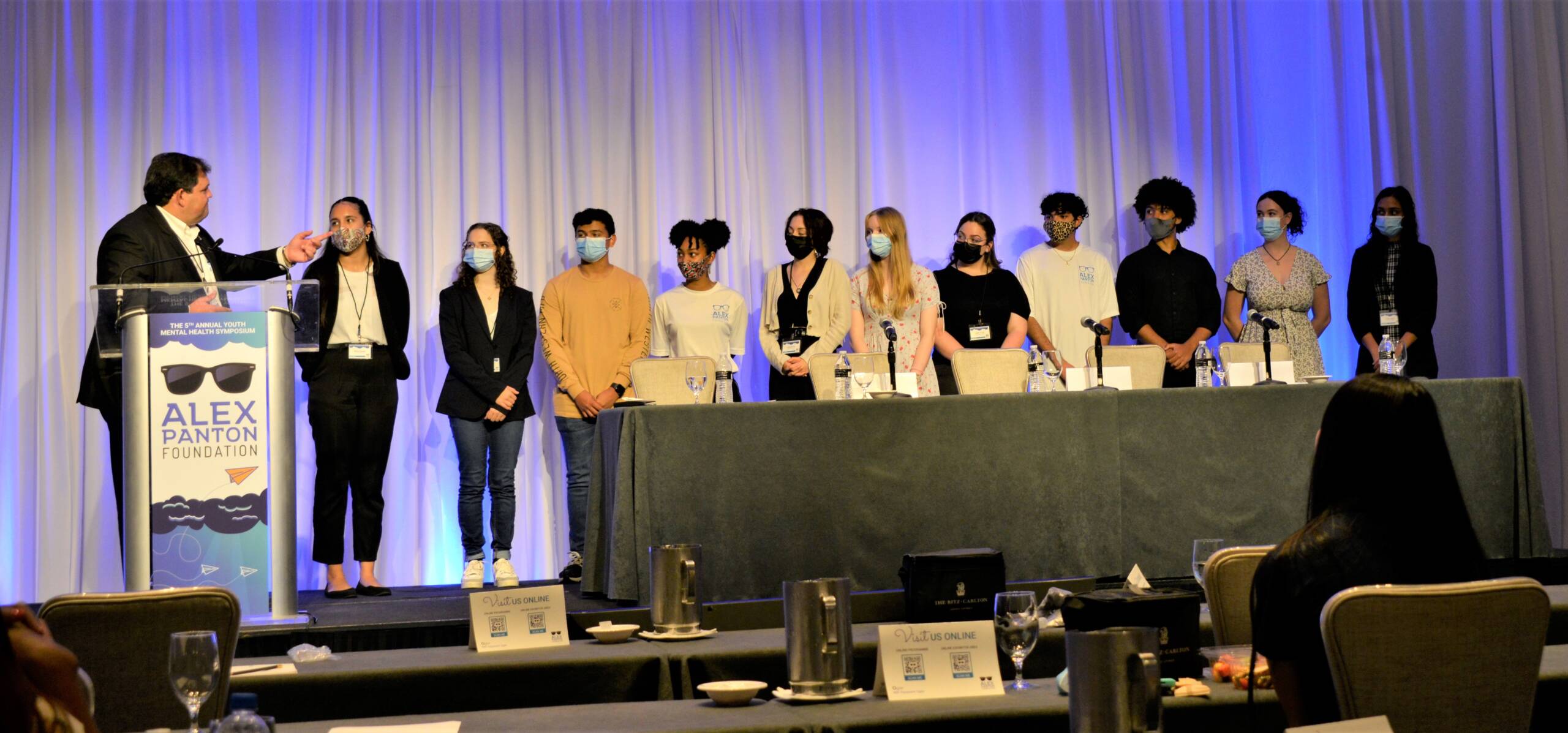
The premier and his wife Jane set up the foundation in memory of their son Alex, who suffered from depression and who took his own life in 2010 at the age of 16. The recent suicide of another teen in Cayman this month was at the forefront of the thoughts of many of the speakers and attendees at the foundation’s symposium.
The panel’s moderator Cristin Jackson, who led a moment of silence to remember those who had been lost to suicide, substance abuse and other issues relating to mental health, noted that a survey carried out before the pandemic, in late February and early March 2020, by the National Drug Council, showed that one in six high school students had contemplated suicide.
She paused and then starkly pointed out to the audience, “One in six. There are six of us up here.”
Some of the teenagers who spoke noted the loss of social connection and affection that the pandemic has wrought for children and teens, as mask wearing and social distancing have impacted the ways they can show their emotions.
One of the youth ambassadors on the panel, Soleil Parkinson, explained, “Masks have caused a large issue for connection for us, as we are no longer able to use facial expressions to show how we’re feeling, and having to switch to learning how to use our voices. So, there’s a big struggle with learning how to balance being safe and healthy, while also getting enough connection and affection to feel happy, supportive and loved in our environment.”
She added, “Verbal communication is not the majority of people’s strength, so switching completely to learning how to do this is going to take time and patience and we’re going to struggle, so we really just have to learn to accept it’s going to be difficult and be patient with that process.”
Helplines
Jackson was among those who called for a 24-hour helpline to be established as a priority, saying she and her fellow members of the Alex Panton Foundation Youth Ambassador Programme have repeatedly stated that they can’t schedule their mental breakdowns. “They don’t operate on a 9 to 5,” she said.
Work is currently under way to set up a 24-hour text helpline, so that young people, who are often more comfortable communicating via text than by talking, can reach out for help through a medium they find more accessible and approachable.
The Alex Panton Foundation and the Cayman Islands Crisis Centre are currently in talks about setting up this helpline.
Meanwhile, there are a number of other helplines available for children, adolescents and other young people.
The Mental Health Helpline (1-800-534-6463), set up as an emergency measure on 20 March 2020 as Cayman was heading into lockdown, is available for all ages and can be reached daily from 9am to 5pm.
Community psychiatric nurse Dympna Carten says the helpline isn’t just available to those in crisis, it can be an outlet for people simply looking for someone to talk to about what’s worrying them or seeking advice on where to find local resources. “We don’t get a huge amount of calls, but every call is important, and we are seeing a variety of problems with a variety of age groups, and we’ve had youngsters and teenagers calling the line… about difficulties at home or in relationships.”
Another phone line that is available to young people is the Crisis Centre’s Kids Helpline (649-5437) which is manned from 10am to 6pm, Monday to Friday, as well as a crisis line that is available 24 hours a day on 943-2422.
Mental health hub for children and teens
A new resource in the pipeline to help Cayman’s young people is a mental health hub, specifically for children and adolescents, which officials say will be launched this summer at the Cayman Islands Hospital.
It would be run by the Alex Panton Foundation and the Health Services Authority.
Health Minister Sabrina Turner, speaking at the symposium, said both entities had consulted with local and international experts “on best practices, including triaging to determine the urgency of the mental health patient encounter and how to treat juvenile patients”.
She added, “It is our goal that our young people will be able to receive specialised mental health care in an environment that suits their needs.”
Lizzette Yearwood, CEO of the Health Services Authority, told the Compass the youth mental health hub is expected to open at the end of July.
The 24/7 hub, at the site of the HSA General Practice Clinic which will move to the Smith Road Centre, will serve as a walk-in facility, where children and adolescents can get immediate access to help.
Insurance issues
One major barrier to mental health therapy and treatment that repeatedly arises in discussions about the subject is health insurance coverage. Parents of children who require therapies frequently find themselves battling their insurance company to cover the treatments that medical professionals are telling them their kids need.
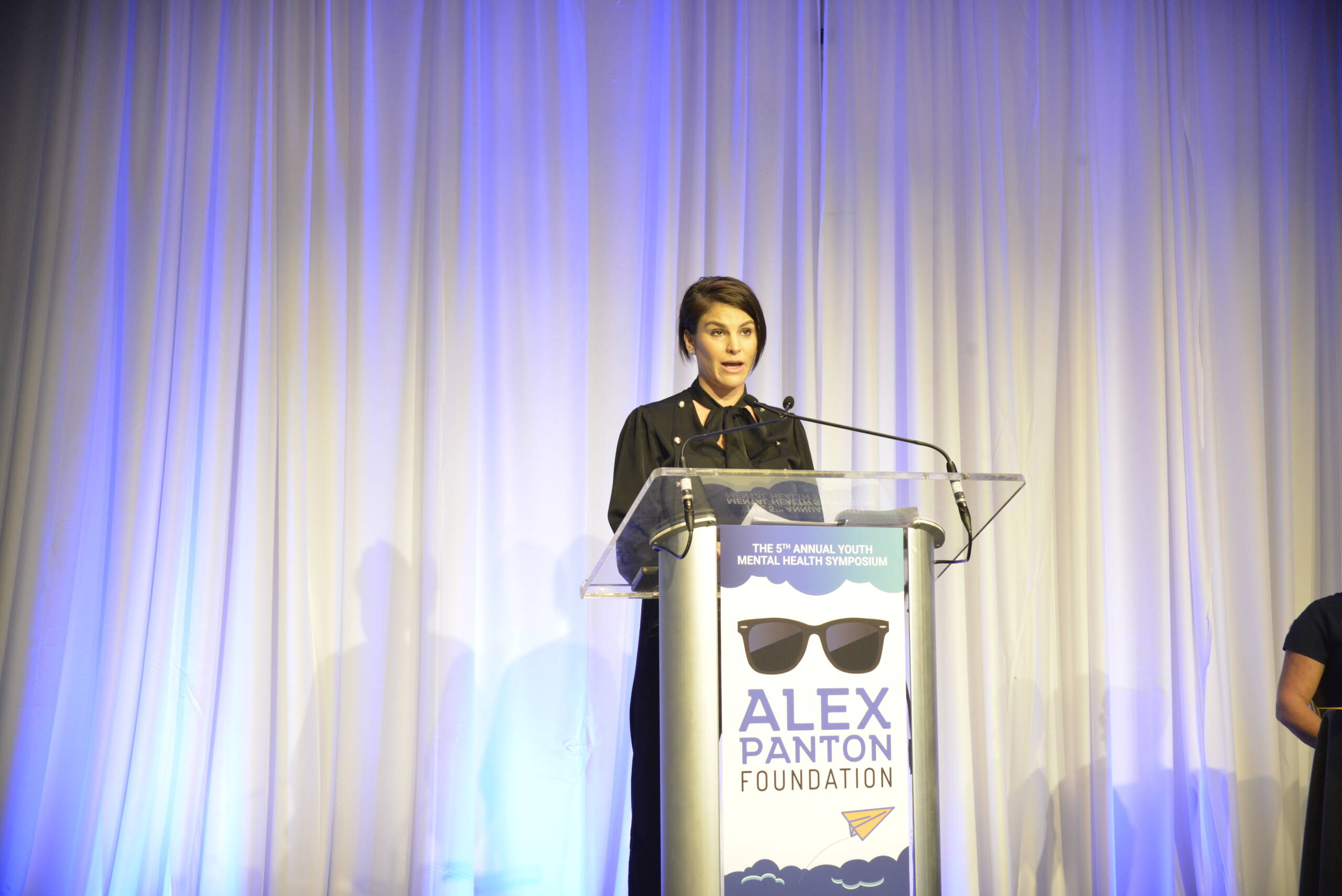
Sutton Burke, clinical director of counselling service company Infinite Mindcare and a member of the Mental Health Commission, at the symposium called for legislation to be introduced that would mandate private health insurance companies to cover mental health as they do any other medical condition.
“Not just in-patient coverage,” she said. “The reality is most people will never need in-patient therapy. However, when they need in-patient therapy, they need a lot more than $30,000,” which she said was typically the maximum amount an insurance company will cover.
She added that it was not mandatory for insurance companies to cover outpatient therapy, and she called for a minimum amount to be designated for mental health coverage, even on the lowest cost insurance policies. “People on the SHIC plan have mental health issues too,” she said. “We can’t have this just be a privilege for people.”
Find more resources available in Cayman, click here.
Related Videos