

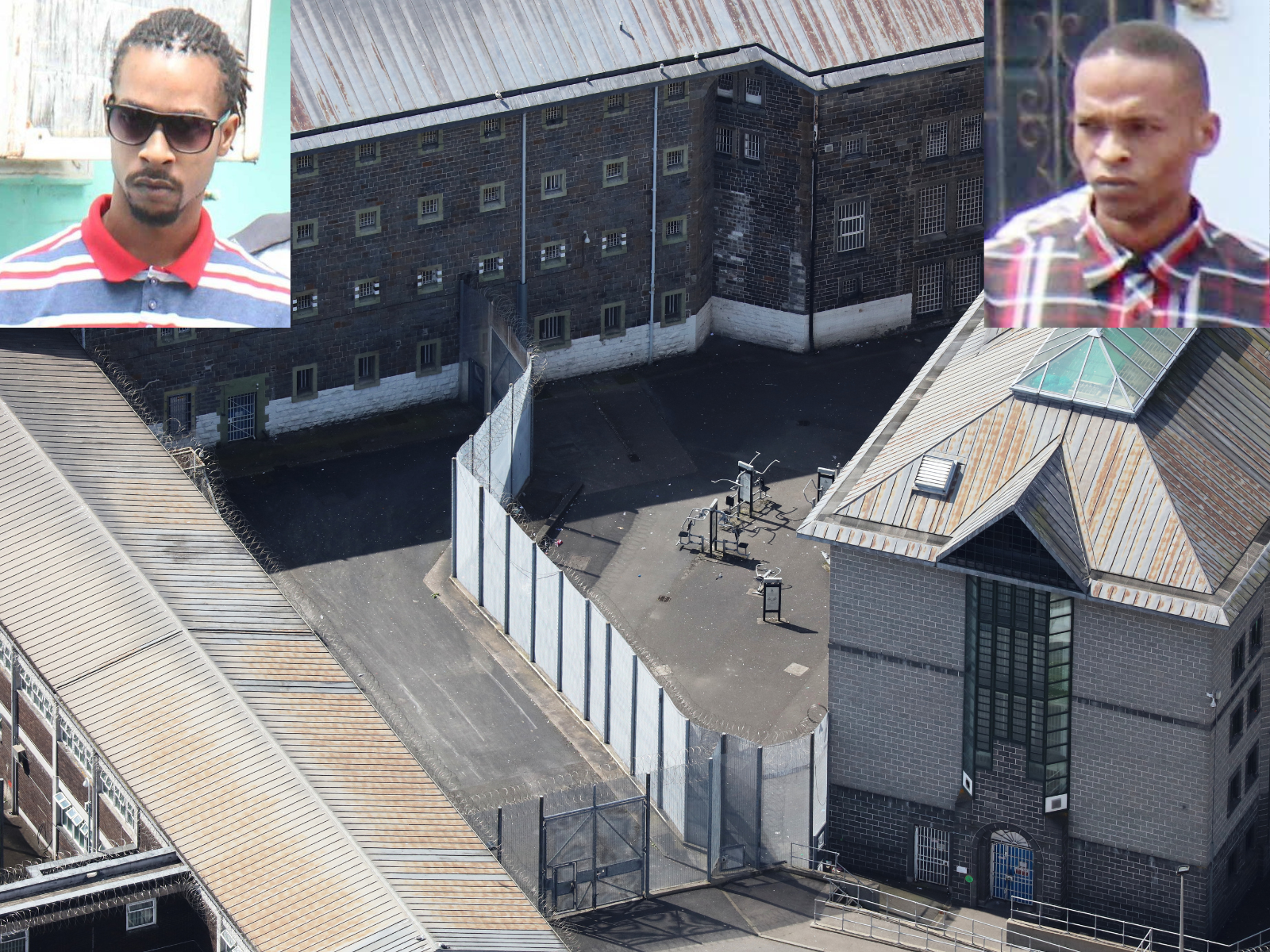
 Two convicted killers deemed too dangerous to be held in Cayman have made a series of emotional pleas to be allowed to return home and serve out their sentences close to their families.
Brothers Justin Ramoon and Osbourne Douglas have only seen family members once in almost five years, since they were transported without warning to the UK to serve their life sentences in a maximum security environment.
In a series of affidavits, submitted in a long, ongoing court case contesting the transfer and released to the Compass following an application to the court, the brothers and their close relatives spell out how the move has impacted their relationships, particularly with their children.
Ramoon describes the agony of not seeing his young son, who no longer recognises his father.
“Even though I am incarcerated I really want to be part of my son’s life, no matter what, as I grew up without a father in my life and I don’t want that for my son,” Ramoon stated in an affidavit filed in 2017, just months after the transfer.
“Even from custody, I want to be able to show him that I love and care for him.”
He describes being able to see his son every week while he was jailed at HMP Northward, being able to feed and cuddle him, and hearing him say ‘Dada’ on the phone. From the UK, he says, calls are much less frequent and contact is non-existent.
“I feel like self-harming, it sometimes gets so much,” he wrote.
Douglas describes similar angst at the separation from his daughter. He said, in a statement, that the two had a close relationship and had lived together since her birth but their bond was now broken.
While calls are possible, both men said the time difference between the UK and Cayman made contact with their children difficult.
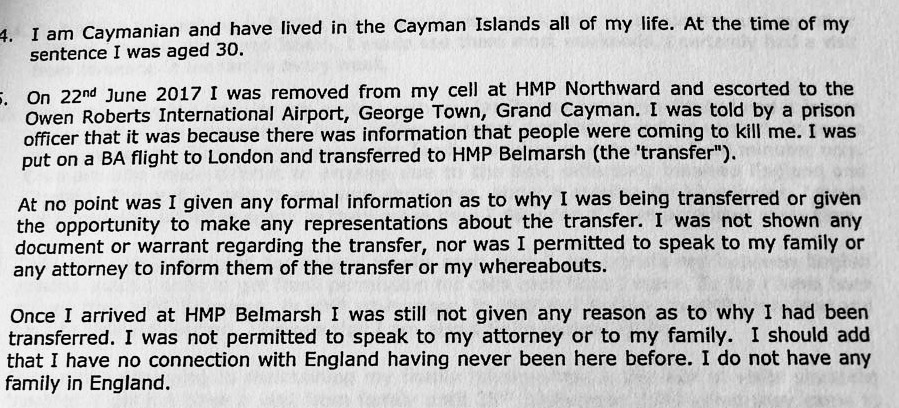
Their mother, with whom they lived until they were arrested for murder, also gave evidence of the “stress and depression” she had suffered at being unable to see them. She said she had been “frantic” after they had been moved to London without warning and she had not heard anything from them for over a month. She has only seen them in person once since that time.
“They are too isolated from us and I fear that the longer they remain in England, the greater the damage will become to their family relationships,” she wrote in an affidavit in November, 2019.
Right to a family life
Part of the brothers’ case, contesting the transfer, initially to HMP Belmarsh in London, is that it breaches their right to a family life guaranteed under the Cayman Islands Constitution. Though the document does contain exceptions to those rights, it is acknowledged that inmates are covered to some extent by the Bill of Rights, which states that all prisoners must be treated humanely.
The Prison Papers
They also have an established legal right to contest a government decision which they believe breaches those fundamental freedoms.
Lawyers for the governor have argued the men were orchestrating serious crimes from prison and are therefore “the authors of their own misfortune”.
A letter from the attorney general to the men’s lawyers, quoted in documents in the case file, highlights limitations to human rights, including to prevent disorder or protect public safety.
It describes the transfer as a “necessary and proportionate interference with your client’s rights”.
But the brothers have dismissed the allegations against them as “absurd” and say they are entitled to the same rights as any other prisoner jailed in the Cayman Islands. There are currently 17 other convicted murderers held in HMP Northward, according to information from a freedom of information request submitted by the Compass.
The Court of Appeal in its latest judgment indicates that lawyers for the governor now “rightly accept” that the decisions to transfer the prisoners did interfere with their rights and that they have a duty to show this interference was proportionate.
“There is ample authority as to the right of prisoners to retain family ties, as to the importance of the maintenance of such ties to the rehabilitation of prisoners, and, accordingly, as to the duty of penal authorities to take steps to enable such relationships to continue,” the justices wrote.
Visitation fund provided for inmates’ families
Evidence from the governor and his representatives at previous hearings indicated that they had gone to some lengths to attempt to facilitate contact between the men and their families.
A fund of around $25,000 a year has been set aside for family members to visit them once a year in the UK.
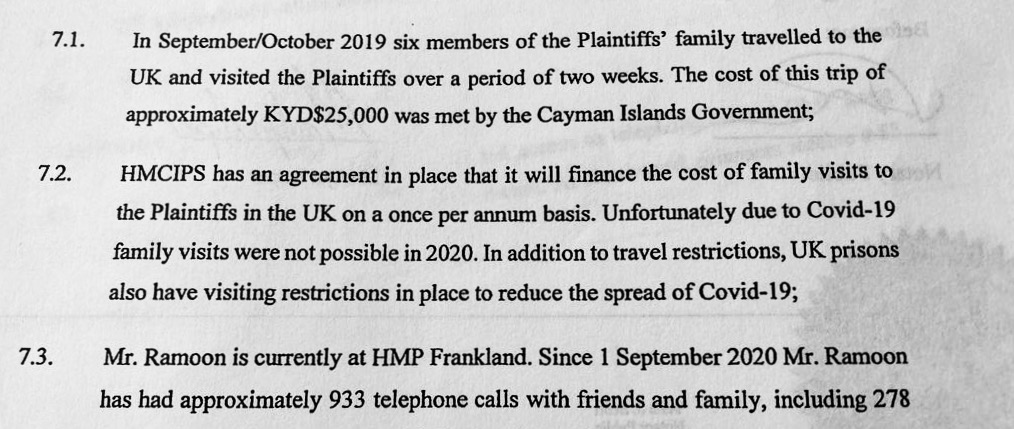
Six members of the family did visit the brothers at HMP Frankland in County Durham in September and October 2019.
Further visits have not been possible since then because of the COVID outbreak, Roper acknowledges in his affidavits. Despite that, he insists reasonable steps have been taken to ensure continued contact between the men and their families.
Roper cites 933 calls made by Ramoon to family and friends over a six-month period as evidence he had been afforded generous calls with family. In later evidence, he cites 60 calls made by Douglas to his mother over a nine-month period – almost two a week – as well as more than 150 calls to his girlfriend.
Related Videos










All this bleating is sickening, how often do the families of their victims get to see or talk to their deceased sons?.
Pardon me for having zero sympathy with these violent criminals who so casually took the life of a fellow human being.