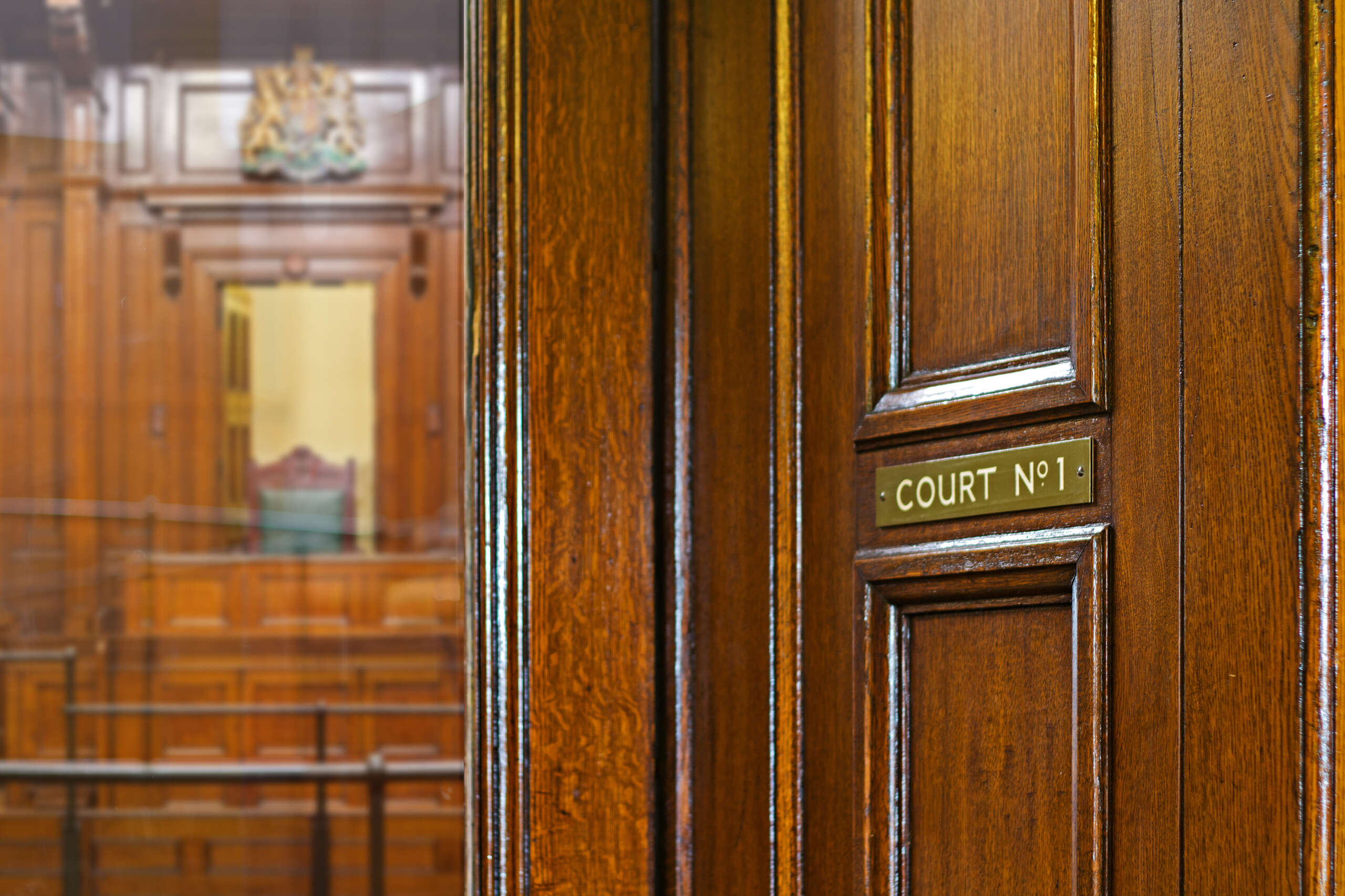
Closed-door trials – where the public, media and even the complainant in the case are excluded so government can show secret evidence – could soon be permissible in the Cayman Islands.
Draft legislation, published last week, creates the framework for civil trials to be held in secret if the evidence is deemed to impact national security.
The Civil Proceedings (Closed Material Procedure) Bill would give Cayman courts the power to review classified material without government having to disclose it to any other party in the proceedings or the public.
Similar legislation has proved highly controversial in the UK, where the balance between open justice, the rights to a fair trial, and the state’s need to keep certain evidence under wraps is an ongoing debate.
The proposed law follows a landmark ruling from the Privy Council in the case of two Cayman Islands prisoners seeking to contest their transfer to maximum-security facilities in the UK on human rights grounds.
In that case, a panel of the most senior judges in the British Commonwealth ruled that Closed Material Procedures – where the evidence is seen by the judge but not by the public, the applicant or their lawyer – could not be used in Cayman under current law.
Though similar procedures do exist in the UK, they are regulated through direct legislation.
In their ruling, the judges indicated that such hearings “involve a departure from the principles of open justice and natural justice, principles which are fundamental to the right to a fair trial”.
At the time, they indicated that no legislation exists in Cayman for Closed Material Procedures and that it could not “invent” a process for this particular case.
“Such a step should be taken, if at all, by the legislature, which is better placed than is the judiciary to assess the policy considerations relating to the necessity for such a procedure and the practicalities of its operation,” the panel of judges said.
Draft bill
The draft bill appears to be an effort to do just that.
It also includes a transitional clause, which means it could be applied to cases already in progress, potentially including the prisoners’ case, which is due to come back before the courts later this year.
The bill closely mirrors the UK legislation, and there is no indication of wide consultation locally to consider Cayman-specific issues.
Several private-sector lawyers, who spoke to the Compass on condition of anonymity, expressed grave concerns about the bill and the lack of consultation with the legal community.
Some were unaware of the legislation, which was quietly published in the government’s gazette on 23 Aug., until informed by the Compass.
The attorney general’s office declined to answer questions from the Compass this week, referring us to the brief introduction to the published draft legislation, which states that the bill aims to “facilitate the court’s consideration of sensitive material or information which, if disclosed publicly, would risk harming national security or other public interests”.
Under the proposed law, a judge would decide if the circumstances and nature of the evidence warrant a closed hearing.
The Compass understands that legislators will be briefed on the bill next week and it could be brought to Parliament for debate as early as next month.
It mirrors the UK’s 2013 Justice and Security Act almost exactly.
The application of the act in the UK has not been without controversy, and the concept of translating it wholesale to a small jurisdiction like Cayman could create additional areas of concern.
One local lawyer highlighted existing challenges with disclosure of evidence and warned the new closed-door trials would only add fuel to that fire. They also highlighted increased risk of leaks on a small island without specific expertise in handling sensitive intelligence.
Others questioned what constituted secret intelligence in the Cayman context and whether the law – designed and drafted in a much larger jurisdiction with huge geopolitical influence – was appropriate on a small island of fewer than 100,000 people.
What is a Closed Material Procedure?
Closed Material Procedures, which allow one party – usually the state – to produce evidence their opponent is not allowed to see, has been the subject of “sustained criticism” since their inception in 2013, according to an analysis by Fred Allen, a senior associate at Kingsley Napley law firm in the UK.
“Critics have also argued that closed material procedures offend the principles of procedural fairness and open justice. Proponents argue that they are necessary to protect national security,” he wrote.
In such trials in the UK, ‘special advocates’ are often used to examine the secret evidence and represent the interests of the parties excluded from reviewing it themselves. However, they are prohibited from taking instructions from the client based on that material and their effectiveness has been questioned.
A more fundamental question for Cayman might be the availability of Special Advocates – lawyers with specific security clearance to review sensitive material.
The draft legislation allows for the attorney general to nominate a lawyer from the Special Advocate’s Panel in the UK – a select group of expert lawyers who have been vetted at the highest levels of British intelligence. But there is no indication of how they would be supported to work locally.
The bill also includes a clause which allows the attorney general to nominate any Cayman lawyer to fulfil the role. It’s not clear how that would work in practice, however, and the attorney general’s office declined to comment.
One private-sector lawyer, speaking on condition of anonymity, said the type of expertise, security checks and vetting required to fill such a specialist role simply didn’t exist in Cayman.
The legislation also sets out the circumstances under which parties to a civil case can apply for Closed Material Procedures and how those should be administered.
The ‘prison papers’ case
The Prison Papers
It is not clear whether government will seek to use such a procedure in the case of Osbourne Douglas and Justin Ramoon, the two gang killers seeking to contest their transfer to UK prisons.
The Privy Council’s ruling indicated that the case, which has dragged on for almost seven years, could proceed to judicial review on the basis of the evidence that had already been introduced.
Lawyers for then Governor Martyn Roper had argued that its case would be impacted if it weren’t able to rely on classified documents, including information from informants which they say show the brothers were a national security threat.
But summaries of the ‘gist’ of that evidence have been disclosed in the form of affidavits from Roper and senior police and prison officials, and the judges indicated that should be enough for the challenge to proceed.
However, at the time of the Privy Council ruling, there was no express legislation for closed hearings in Cayman.
The new law includes a transitional clause which states, “This Act applies to every matter or proceeding in any court that is pending or in progress immediately before this Act comes into force.”
The prisoners’ judicial review case, which would seem to fall into that category, is next scheduled for a hearing in November.
The Governor’s office declined comment, referring questions to the government.
Related Videos