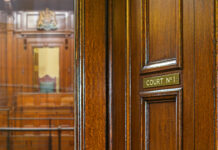
Legislation to allow closed-door trials – where the public, media and even the complainant in the case are excluded so government can show secret evidence – was approved in Parliament this week with little debate.
The Civil Proceedings (Closed Material Procedure) Bill creates the framework for civil trials to be held in secret if the evidence is deemed to impact national security.
It gives Cayman courts the power to review classified material without government having to disclose it to any other party in the proceedings or the public.
The bill – which mirrors similar legislation in the UK – was tabled Monday and unanimously voted into law Tuesday.
No one from the government, other than Attorney General Samuel Bulgin, spoke about the bill.
Opposition leader Roy McTaggart rose briefly to offer his support, despite acknowledging “initial misgivings”.
Independent MP Chris Saunders made similar remarks, but added that he accepted it could be necessary “in light of what we are dealing with right now” – a reference to Sunday’s football stadium shooting.
Similar legislation has proved highly controversial in the UK, where the balance between open justice, the right to a fair trial, and the state’s need to keep certain evidence under wraps is an ongoing debate.
And lawyers in Cayman have questioned how elements of the British legislation incorporated into the draft – including a requirement for ‘special advocates’ authorised to view classified material – would be managed in a small island jurisdiction.
Prisoners case inspired legislation
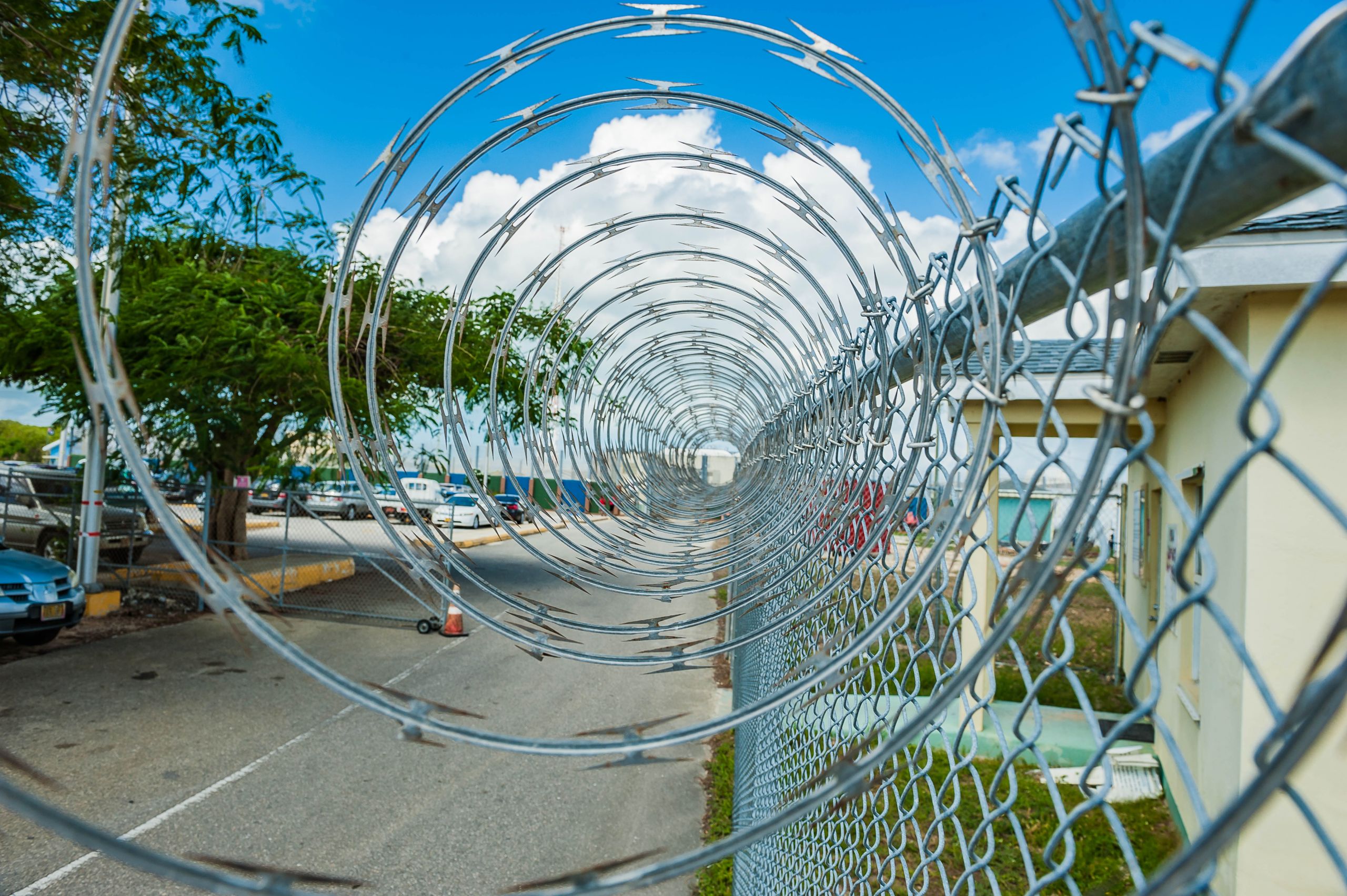
The introduction of the law follows a landmark ruling from the Privy Council in the case of two Cayman Islands prisoners seeking to contest their transfer to maximum-security facilities in the UK on human rights grounds.
The case and its implications were extensively covered by the Compass in our Prison Papers investigation.
Government wanted to rely on classified material to defend its decision that the men were a national security threat but did not want to disclose that information – some of it from informants – either publicly or to the men themselves. As a result of the impasse, the case proved functionally ‘untriable’ and the men – deemed too dangerous for HMP Northward – remain in British prisons as they continue to serve their sentences.
In the most recent ruling in the case, the UK Privy Council ultimately ruled that Closed Material Procedures – where the evidence is seen by the judge but not by the public, the applicant or their lawyer – could not be used in Cayman without specific legislation. The justices ruled that those type of trials represented such a departure from open justice that an explicit framework sanctioned by elected legislators was needed.
Compromise law
Introducing the law Monday, Bulgin said it would likely be used sparingly in civil proceedings, similar to that involving the prisoners – for example if government needed to rely on sensitive information to defend a decision to deport someone for security reasons.
He said it represented a compromise situation that allowed the court to have the best information possible.
Related Videos