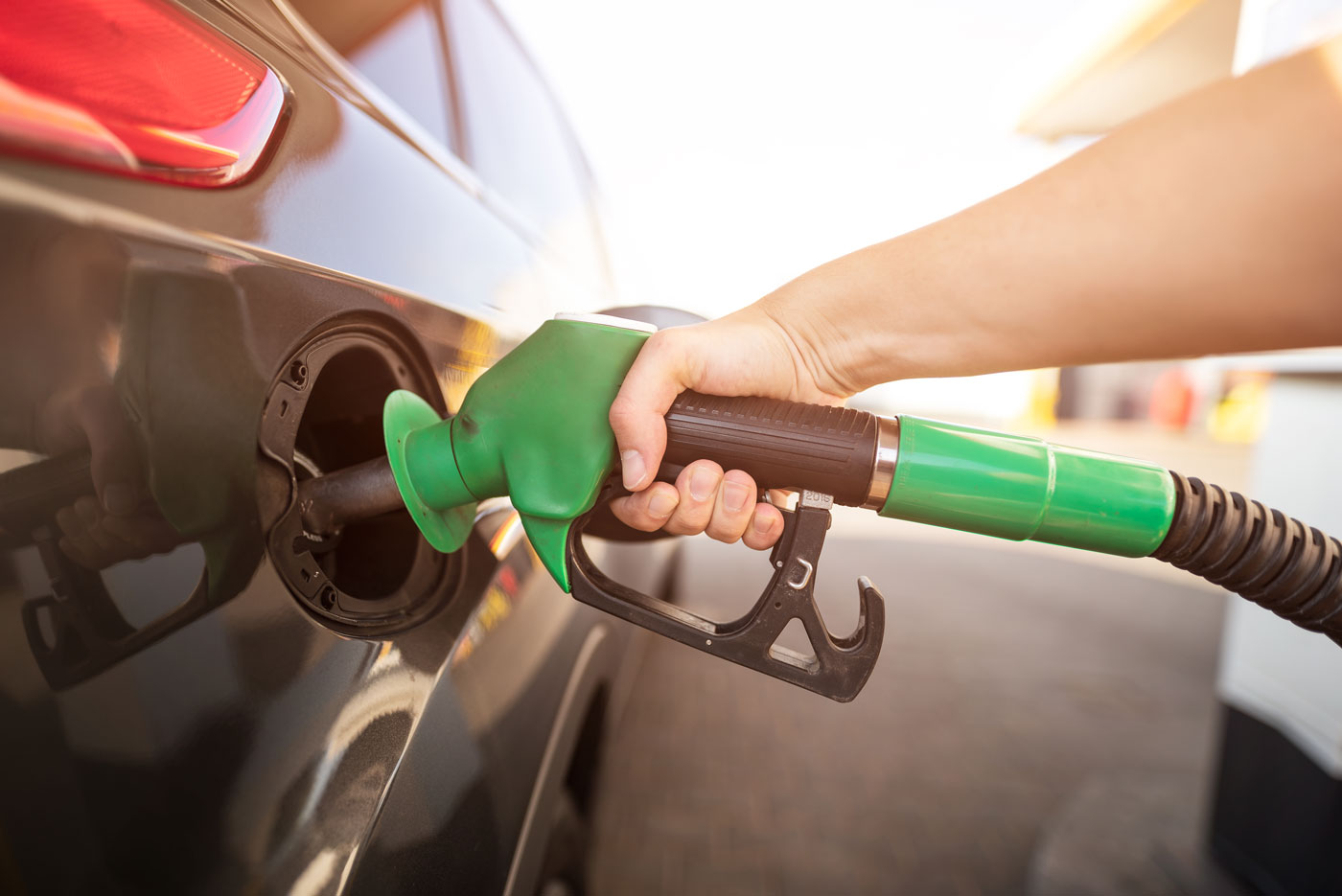
A new bipartisan committee of lawmakers has been tasked with getting to the root of why local fuel prices have been rising, which are compounding the economic strain on the community.
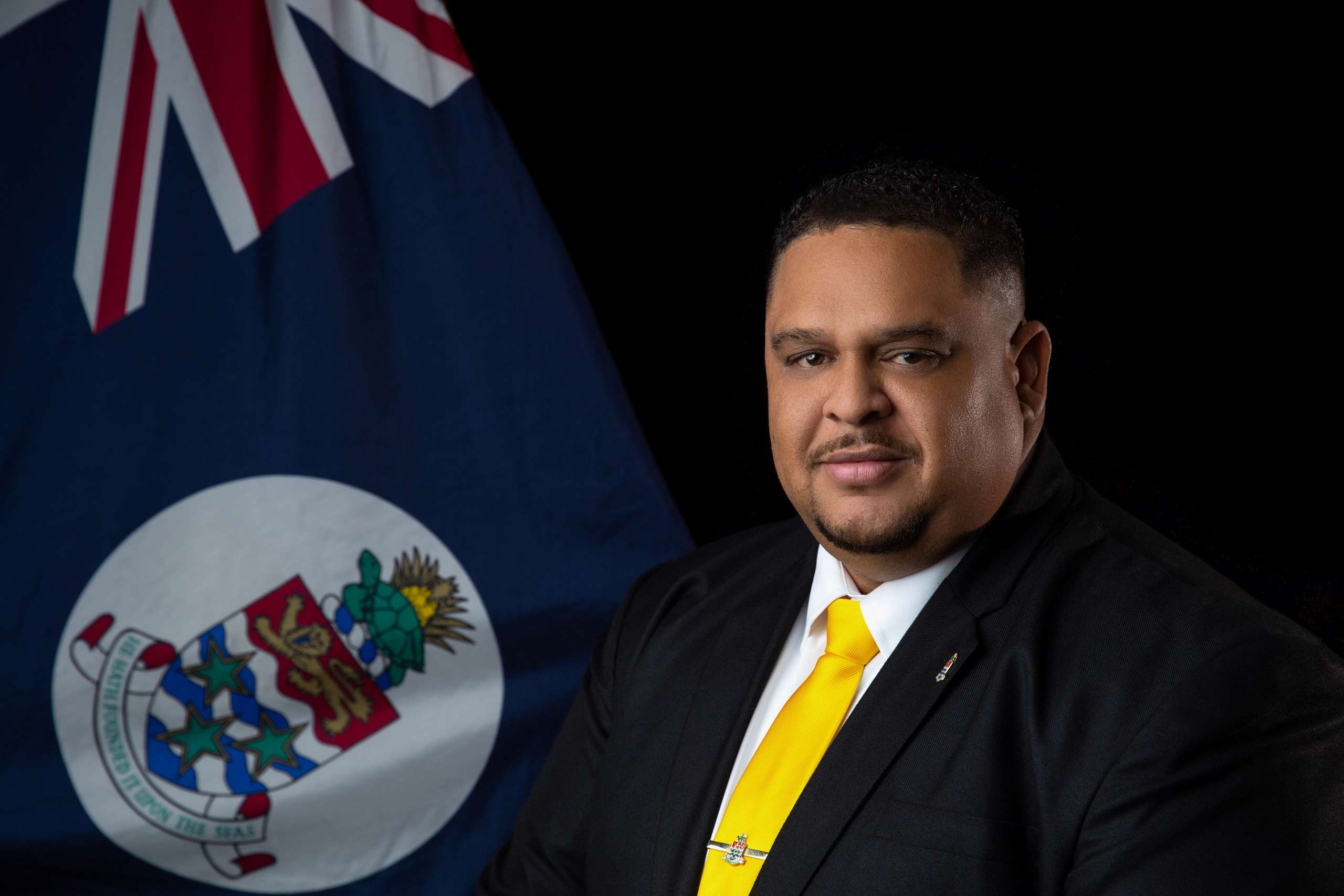
“This issue, which touches the lives of all of our constituents and places a significant burden on businesses, demands our immediate and … collective attention,” Planning and Infrastructure Minister Jay Ebanks said, as he proposed the committee through a government motion in Parliament on Tuesday, 27 Feb.
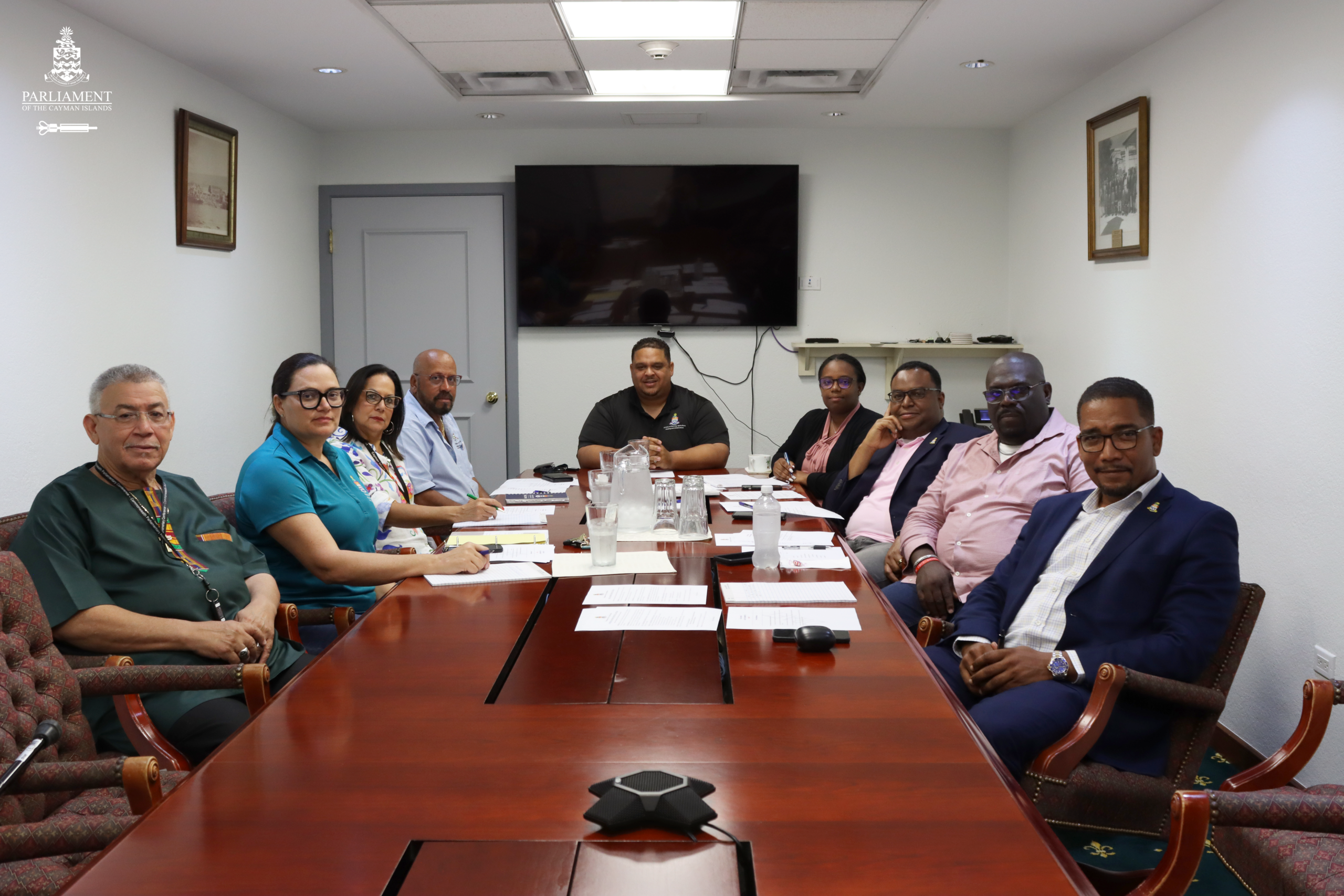
The committee, chaired by Ebanks and consisting of both government and opposition lawmakers, held its first meeting in-camera on Friday 1 March.
The committee was approved with a mandate to investigate rising fuel prices and provide strategies to reduce the strain on consumers feeling the pinch through the pumps and monthly electricity bills.
“The struggle of citizens to manage their electrical bills due to drastic increase in the costs is a clear signal that we must act swiftly,” Ebanks said, pointing out that the committee is tasked with a comprehensive examination of the factors driving up fuel prices.
The select committee is only the second such committee to be established in the current 2021-2025 Term, the other being a Select Committee on the Gambling (Amendment) Bill, 2022.
It was established in December 2022 and has held two meetings so far, a Parliament statement said.
Struggling families
In 2022, Cayman’s electricity costs had become so burdensome that it prompted government intervention to assist families struggling with bills against the backdrop of record inflation.
Government had contributed up to $0.05 per kWh for eligible residential customers who had a monthly energy consumption of between 101 kilowatt hours and 2,000 kWh.
The public felt the strain at the gas pumps as well, prompting some to carpool or cycle to work to save on fuel costs.
As at 28 Feb., fuel prices ranged from $5.69 to $5.81 per gallon for premium gasoline and $5.28 to $5.49 for regular at most gas stations.
Ebanks, in making the case for the committee, said people have to count their dollars to be able to get fuel, and too often have to hope to “have $5 I could put in today”.
The planning and infrastructure minister said the mandate for the committee includes investigating alternative energy options, such as natural gas, and proposing measures for better regulation on competition within the fuel sector.
He said the committee will not only look at gasoline costs, but local prophane costs as well.
“We will go out to see what we can do to come up with the best measures on how to lower the costs for the people in the Cayman Islands… [T]he recommendations from the committee will be instrumental in guiding our government towards implementing effective policies and strategies,” he said.
Ebanks said these efforts aim to stabilise fuel prices.
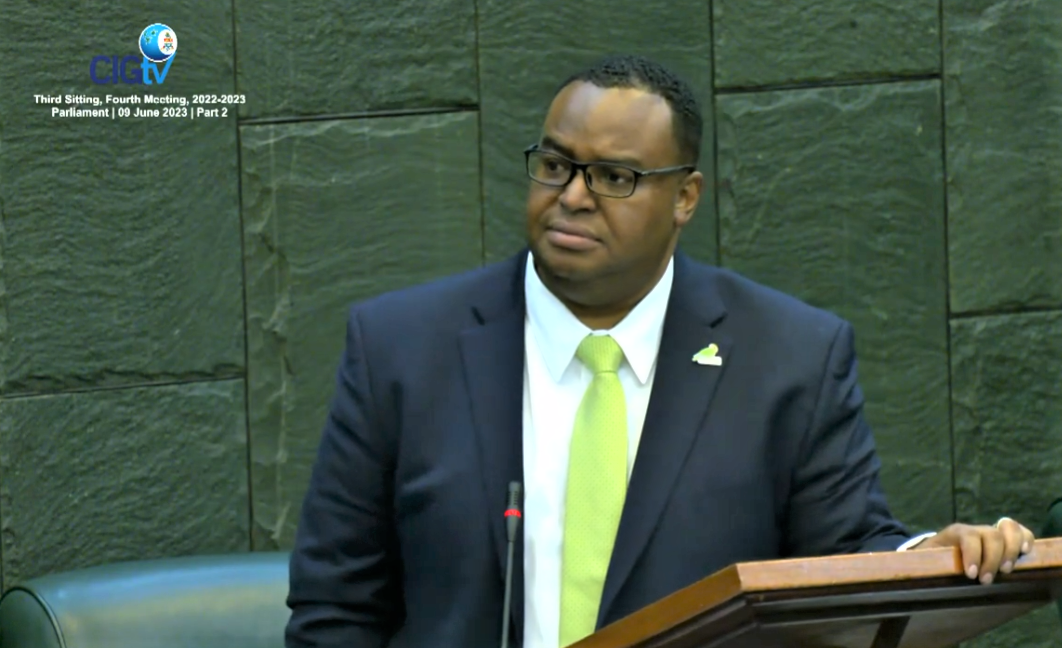
The select committee was the result of a private member’s motion from Bodden Town West MP Chris Saunders last year.
His motion had called for the committee’s report to be presented by the end of February; however, the committee has only now been established.
Saunders, who was made deputy chair of the committee, welcomed the move to take the issue forward and have public hearings as lawmakers investigate prices.
He said the issue is not CUC nor the gas stations, per se, but also the fuel companies.
“That is where we need to get to,” Saunders said.
He said the journey to get to the root of fuel costs started at the Public Accounts Committee several years ago, but due to COVID and other factors, “we didn’t get a chance to deep dive further. But I think this is the time now for us to get into that and finish that conversation that we started.”
The committee will also deal with concerns over calculations and mark-ups by fuel companies.
Saunders had also previously raised concerns about the accuracy of octane levels and whether the public was receiving value for money.
In addition to Ebanks and Saunders, the committee comprises MPs Kenneth Bryan, Dwayne Seymour, Katherine Ebanks-Wilks, McKeeva Bush and Bernie Bush.
MP Barbara Conolly was added to the committee after House Speaker Sir Alden McLaughlin suggested that the select committee should “as far as possible reflect the numerical strength of the various groupings of the House”.
Ebanks had explained when he approached the Opposition, members indicated they had “conflicts” that precluded them from being part of the committee.
In MP David Wight’s case his family runs a gas station, and Joey Hew is the brother of CUC CEO and President Richard Hew.
Related Videos