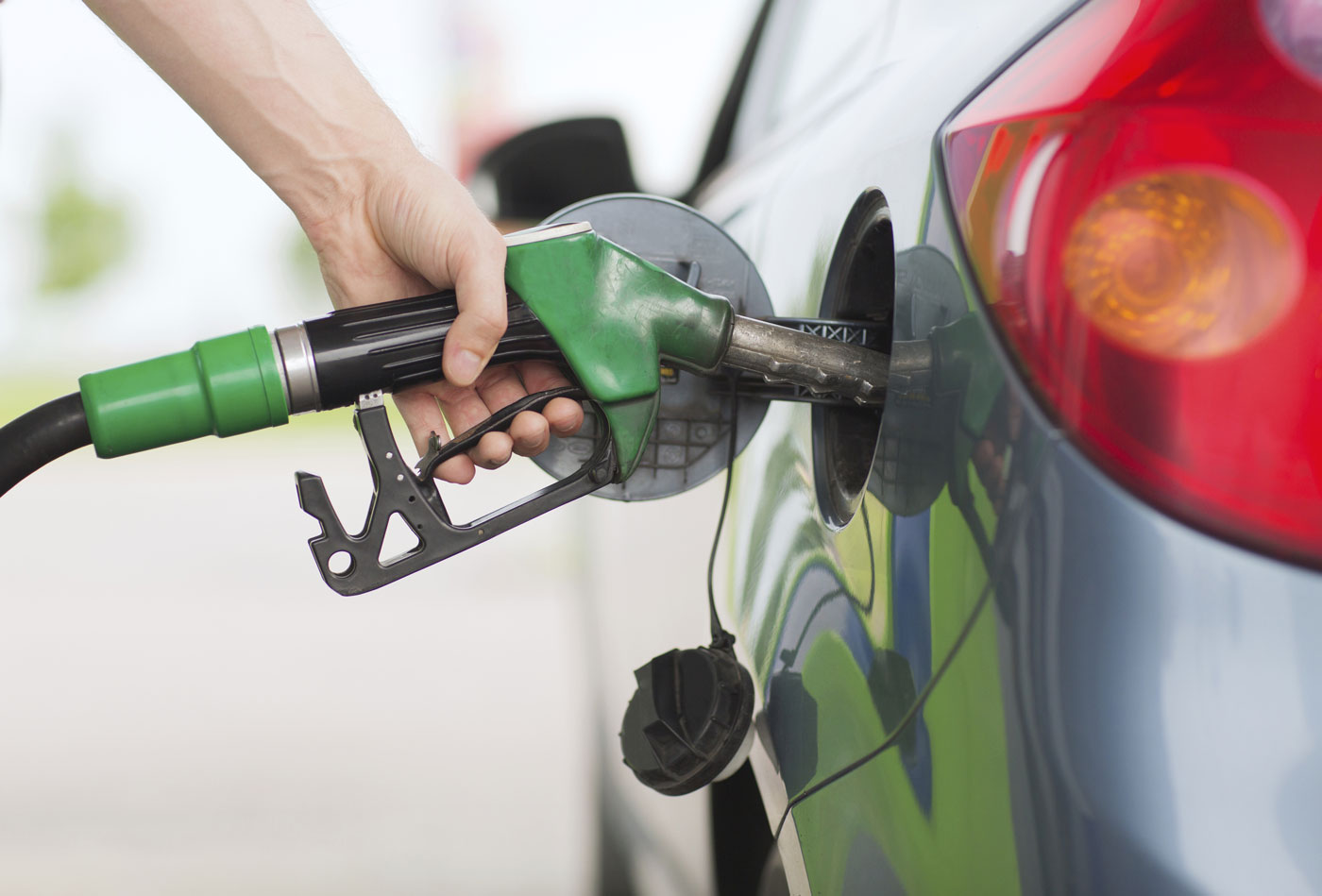
OfReg needs to work harder to determine the quality of petrol, according to independent MP Chris Saunders, who said people are currently being “ripped off”.
The regulatory authority revealed during Finance Committee last week that only a small percentage of fuel that arrives into the Cayman Islands is tested to determine octane level.
Regulatory fuels analyst Dwayne Tucker explained that OfReg carries out random testing, adding: “It’s not done for every import that [comes into the island.”
He said the tested fuel is generally found to have an octane rating between 87 and 93 depending on the supplier or the retailer.
The discussion came after presentation of the government budget for monitoring and controlling storage, handling, quality and mensuration of fuel, as well as regulations.
Saunders said there are two types of unleaded fuel being sold at petrol stations in Cayman – 89 and 93 octane.
This means that the 87-octane fuel is either being sold under the false pretences or it is being boosted to meet the required levels.
Fuel octane is crucial for preventing engine knocking, and using a fuel with a lower octane than recommended by the manufacturer can lead to performance issues and damage.
Saunders explained that a motion will be brought before a select committee to deal with the issue, but said he wanted to “lay the groundwork right now to OfReg”.
“They basically need to step up when it comes down to fuel, because the people in this country have been ripped off,” he said.
Peter Gough, interim chief executive officer of OfReg, said the body uses recently acquired mobile testing equipment which means samples no longer have to be sent away to the US.
“Sometimes the quality samples got lost, some were out of time – it was taking three or four months to get the results back. Now we have our own equipment,” he said.
Dwayne Seymour, Minister for Border Control, Labour and Culture, asked whether the team could consider testing every shipment of fuel.
Eric Bush, chief officer in the Ministry of Planning, Agriculture, Housing and Infrastructure, said they could, but the “output figure might have to be adjusted accordingly”.
On hearing the submissions, Premier Juliana O’Connor-Connolly said she expects the issue to be taken care of in the “deep dive”.
“I for one have been buying 93 thinking I’m going to get 93. That could be a big class action,” she told the committee.
Cost of fuel
As well as quality, the cost of fuel was also a point of contention during the discussion.
Opposition MP Moses Kirkconnell questioned why the cost of petrol is $3 in Miami and between $5 and $7 at the pump in the Cayman Islands.
He asked OfReg if it is satisfied that the margins that are being charged are fair.
Gough said the regulatory authority is in the in the process of developing changes to the Dangerous Substances Act to allow OfReg to publish prices “as they land”.
The regulatory authority has also begun an exercise to get fuel companies to provide regulatory accounts, he told the committee.
“Which means that they have to keep their accounts on the basis that we know how much each gas station is making on a gallon of fuel,” he said.
Together, these actions will provide more transparency on how the prices are established.
Louis Boucher, executive director of energy, fuels and utilities for OfReg, said meanwhile there are a series of fees that are being monitored.
Cayman is a small nation and the infrastructure has to be paid for which comes out of all of the fees to get the fuel to the pump, Boucher said
“Also, you may be aware there’s also the fuel duty on every gallon of fuel that gets pumped into people’s cars,” he added.
In terms of regulatory accounts, OfReg is being fought by the licensees, the executive director revealed
“They don’t think we need to know that information, but obviously we disagree,” he said.
“So we’ve been taking the minister’s advice – don’t be afraid to go to court. So, if it comes down to that, that’s what we’ll be doing.”
He spoke of opening up the market to competition: “If that’s something that OfReg needs to start doing for the general consumer, then that’s what we’re going to be doing as well.”
Related Videos