Cuba is facing a ‘new migration crisis’ as a consequence of economic hardship, the fall-out from the pandemic and a harsh crackdown on political protests, according to two international experts familiar with the situation.
The influx of Cubans on makeshift boats arriving in Cayman over the past month has been mirrored on a larger scale across the region, with a mass exodus of people from the communist island.
Cuba was suffering before the pandemic, says Jessica Bolter, an analyst with the US-based Migration Policy Institute, because of restrictions on remittances from family and friends overseas and decreasing support from Venezuela. But COVID-19 hit the tourism industry hard, leading to severe inflation and a daily struggle for many ordinary people to make ends meet.
“Compounding that is increased frustration with the government and repression by the government,” says Bolter.
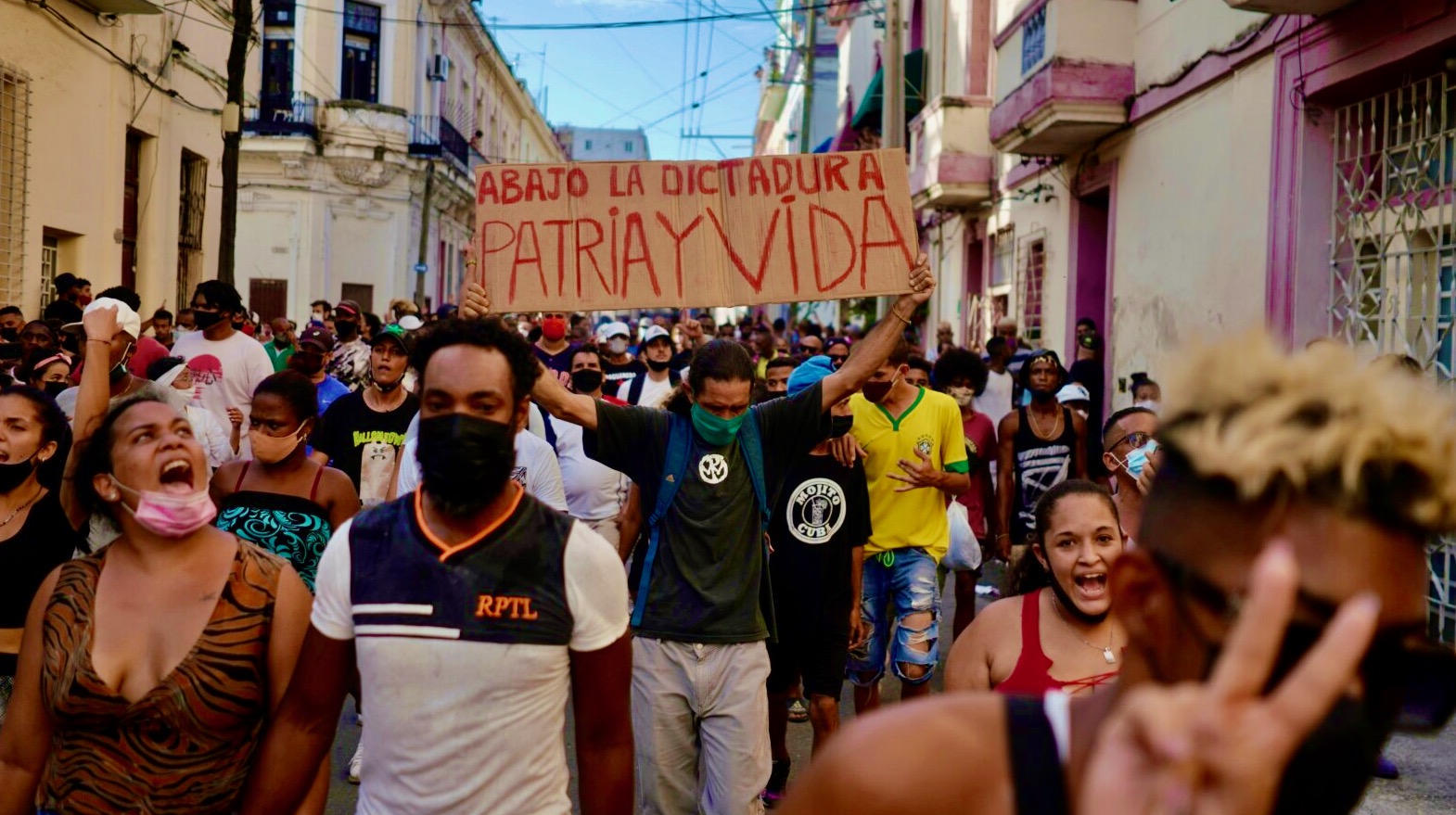
Scenes like those in July 2021, when thousands took to the streets, in defiance of the communist government, to protest shortages of food and medicine, among other concerns, are rarely seen in Cuba. CNN described the demonstrations as unprecedented since the 1959 revolution which swept Fidel Castro to power.
But the demonstrations failed to bring about reform for one of the last bastions of authoritarian socialist rule in the Americas. The largely peaceful protests were harshly curbed and some of the leaders are facing jail sentences of up to 30 years.
“The current situation in Cuba is really hard. Many people see no path forward, they don’t see opportunities for the future, there is no optimism of economic reform from the government,” said José Jasán Nieves, the Miami based editor-in-chief of El Toque, an independent newspaper covering Cuba from offices in Cuba, Florida, Spain, Canada and Ecuador.

“In July, 2021, people came out on to the streets in a massive way without historical precedent and the response from the government was use of force… people are being persecuted for expressing themselves.”
He said it was common for anyone who expressed a negative opinion about the government on Facebook or Twitter to receive a visit from the security services. He believes the response to the July protests was a sign to people that dissent would not be tolerated and the catalyst for many Cubans to decide their future was outside of the country.
“The government have used the hardest options in the law to punish people in order to spread fear,” he said.
“After that, people gave up.”
Bolter concurs with that analysis.
“Whether they were specifically targeted or not, people felt there was no hope for anything to change,” she said.
“These are the main factors pushing people out of Cuba.”
US policy changes
The sense of despair is worsened, coming on the heels of relatively recent moves towards opening Cuba up to the world. Obama-era policies, broadening US economic and tourism links with the Caribbean island, were wiped out by Donald Trump and the pandemic has prevented any significant visitation.
“Trump rolled back all the Obama administrations policies, that was the closing of a window, the Cuban government rolled back all the economic reforms and people found themselves without a future,” said Nieves.
Bolter says the ease of travel through Nicaragua and the absence of any visa processing at the US Embassy in Havana has also incentivised Cubans who want to leave to do so.
“With these legal pathways cut off it is much more common that people try irregular migration,” she said.

In the past, she believes, the Cuban regime has tolerated mass migration as an ‘escape valve’ to allow opponents of the government to leave instead of fermenting rebellion within the island’s borders.
Most famously, Fidel Castro opened the port of Mariel in 1980, allowing more than 100,000 dissenters to leave the island for the US.
While that is not current official policy, the Cuban government are often reluctant to accept migrants back into Cuba – holding up repatriation with concerns about paperwork, for example.
Cayman has faced similar challenges negotiating with the Castro government.
A Memorandum of Understanding was signed with the Cuban authorities in 2015, including agreed timelines for the exchange of information aimed at shortening the length of time between the arrival and repatriation of Cubans who landed in Cayman.
A press release from Customs and Border Control indicated this agreement could help cut the cost of handling Cuban arrivals.
“Shorter turnaround times will reduce the costs involved in accommodating migrants over a longer period. However, the repatriation process is sometimes delayed because of legal challenges and over the past two years Cuba’s border was closed due to the COVID-19 pandemic,” it stated.
Related Videos