

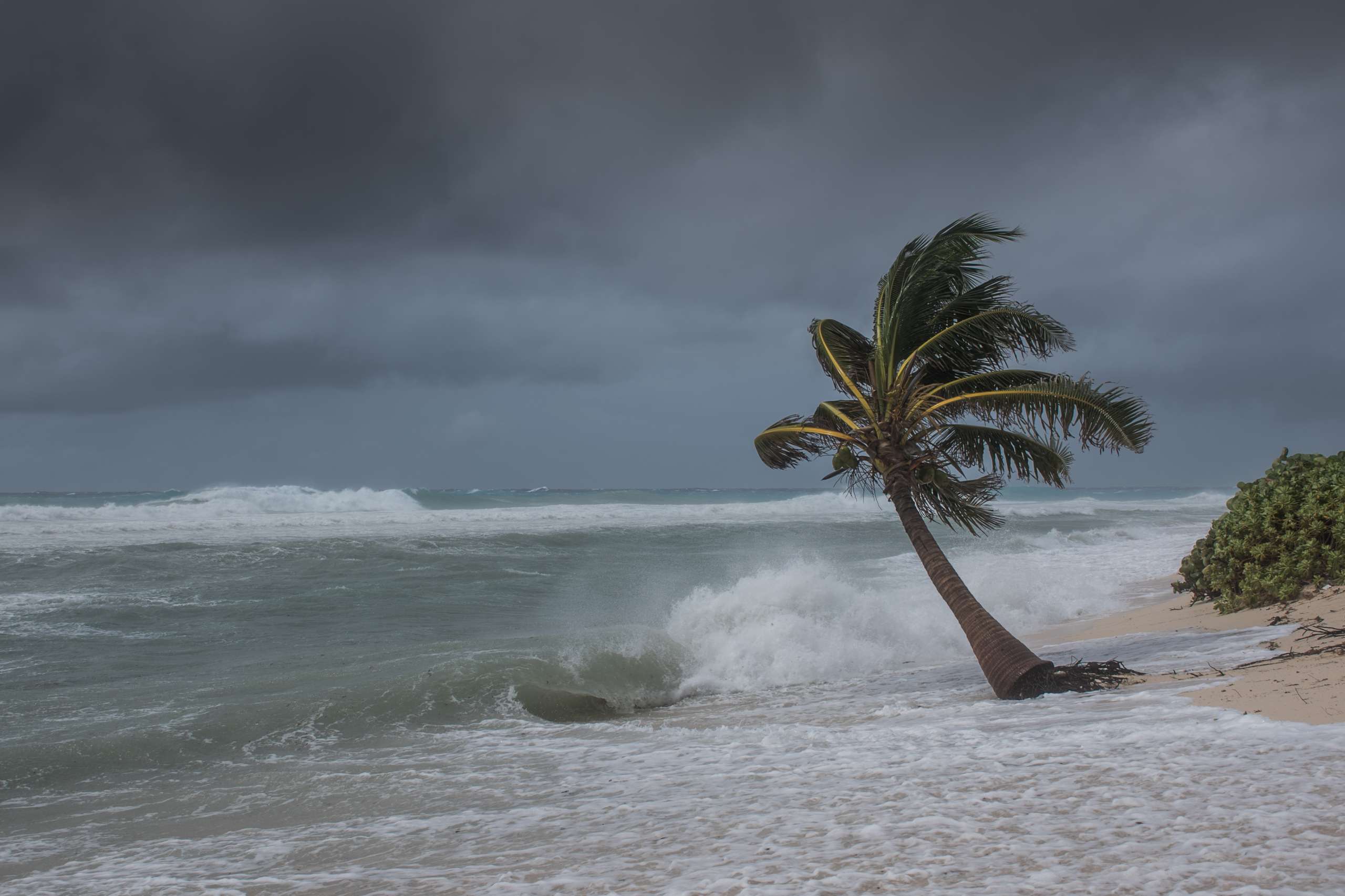
The vast majority of Cayman residents believe that climate change is the result of human activity, will impact them in their lifetime and that measures can be taken to tackle its effects.
In a survey facilitated by the Ministry of Sustainability & Climate Resiliency, most respondents reported noticing changes to local temperatures, rain patterns, storms, coastal erosion and plant growth.
A majority of the 1,085 survey participants, who mostly identified as Caymanian, associate climate change with coastal erosion, sea level rise and loss of coral reefs.
They also expressed the belief environmental conservation and renewable energy can help reduce the impact of climate change in the Cayman Islands.
According to the survey results, most local residents are ‘very’ or ‘extremely concerned’ that climate change will impact them in their lifetimes.
The online survey was conducted over four weeks between May and June and is part of Cayman’s ongoing Climate Change Risk Assessment.
The ministry’s Chief Officer Jennifer Ahearn said in a press release the number of survey responses confirmed a high level of awareness and concern about climate change in the community.
“The final number of responses far surpassed our goal for a nationally representative sample of approximately 400 responses and mirrored the level of participation seen in similar surveys in European countries.”
Ahearn said the survey results “will be incredibly valuable to our efforts to update the 2011 Draft Climate Change Policy and consider long-term public awareness and education initiatives related to climate change in our community”.

While most respondents said climate change was either very or extremely important to them personally, 46% believe cost of living is the most pressing issue facing the Cayman Islands, followed by over-development (26%).
Land clearing/deforestation, burning fossil fuels and transportation/vehicle emissions are seen as the primary causes of climate change.
Most residents said they were more likely to trust climate change information from scientists or environmental organisations than the government, but that at the same time the local government is mainly responsible for tackling climate change.
Nevertheless, a majority of respondents said they would be willing to change how they live and work to help and 83% noted they were already taking action out of concern for climate change.
So far, however, those measures are limited, as inconvenience and lack of infrastructure were cited as the main barriers. Turning off lights and appliances when not in use, buying energy efficient products and recycling are currently the top three actions.
The survey results reflected that electric vehicle use on island remains rare. Two thirds reported their workplace does not have renewable energy and even fewer residents said they have renewable energy in their homes.
Work to update climate change policy ongoing
Government’s climate change risk assessment is done in partnership with the Centre for Environment Fisheries & Aquaculture Science (Cefas) and the UK Centre for Ecology and Hydrology (UKCEH). It is one element of ongoing efforts to review and update the Cayman Islands’ Climate Change Policy.
In May 2022, visiting Cefas and UKCEH scientists facilitated a workshop for a climate change risk stakeholder group comprising approximately 60 representatives from the public and private sectors, non-governmental agencies and academia.
Based on a detailed evidence report of climate change impacts on the Cayman Islands, drafted by Cefa and UKCEH, the group of local subject matter experts reviewed a draft ‘long-list’ of 52 key risks and opportunities related to biodiversity and natural habitats, the economy and society.
The risks were categorised based on the level of agreement among researchers, as well as the level of confidence in the evidence. The group then scored the risks according to proximity and magnitude of impact.
The full climate change risk assessment report is expected in September 2022 and a technical working group is updating the climate change policy by the end of the year.
“In an effort to have an updated policy to Cabinet by the end of the year, the technical working group recently presented Caucus with our ambitious schedule of stakeholder consultation and public meetings. Working closely with the climate change risk assessment stakeholder group, our aim is to have a working draft finalised for public review and input by October 2022,” Ahearn said.
“I know the level of ongoing projects can sometimes feel overwhelming but public participation is essential to developing inclusive, holistic policy and we hope to see a high level of turnout at the public meetings once those dates are announced next month,” she added.
Related Videos












I’d much rather have a logical debate, than a belief. They do still call it a science, right?