


An emaciated dog discovered starving and close to death in Grand Cayman was just the latest in a series of troubling incidents of animal neglect and cruelty, overwhelmed charity workers have reported.
The brown and tan mixed breed dog was discovered by a visitor in East End and taken to the vets. The dog – named Asker by its rescuers – weighed just 27lbs. Vets say its ideal weight is somewhere between 40 and 50lbs.
It is being nursed back to health at the Vet Clinic in Savannah.
Paula Wythe, of One Dog at a Time, which is funding the dog’s care and will try to get it adopted said the amount of recent cases was challenging the charity’s resources.
Exhausted volunteers are dealing with new cases almost every day and the non-profit’s monthly vet bill now runs to $10,000-a-month.
The charity has scores of dogs in foster homes around the island and a long waiting list of animals to be flown overseas to be adopted.
As soon as one goes out, more come in, says Wythe.
Earlier this week, the charity took a call about a dog that was so badly injured she appeared to have been chopped with a machete. It turned out the animal had been attacked by a pack of stray dogs, leaving her with more than 30 puncture wounds.
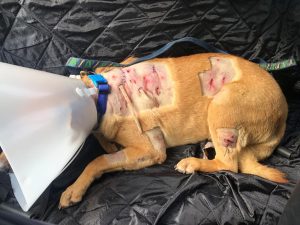
The dog, named Xanadu, was well-known in the neighbourhood. Its owners had apparently left the island during COVID, leaving it to fend for itself.
It is now in foster care after surgery but needs a permanent home.
Breaking point
Wythe said the charity was currently strained to breaking point. It just took in two pregnant dogs from the Department of Agriculture pound – apparently animals that had been confiscated from someone with more than 20 pets.
From that one seizure, there could ultimately be as many as 25 animals in need of homes, illustrating the scale of the challenge and the need for an island-wide spay and neuter programme.
The out-of-control population growth alongside ongoing cruelty and neglect is overwhelming for those on the front lines.
“It juts makes you want to cry,” said Wythe.
“We are working and working and we hardly seem to make a dent in the problem.”
Laws need to change
Lesley Agostinelli, of Cayman Animal Rescue Enthusiasts, said the charitable sector was doing everything it could. But she believes Cayman’s laws need to be tightened up.
Citing a recent animal cruelty case where a man was fined $2,000 and banned from owning pets for four years after he was found to have let his injured dog suffer without treatment to the point where it needed to be euthanised, she said penalties are simply not punitive enough.
She added that cruelty and neglect complaints are not treated as seriously or investigated as robustly as they should be. While she believes Cayman is ahead of other Caribbean islands in this regard, she says there is plenty more that can be done.
Cayman’s animal charities have come together to advocate for a new approach from government.
Agostinelli said it was encouraging that the current administration was coming to the table on the issue and she hopes the discussion will soon turn to firm action.
Ultimately, she believes a national spay and neuter programme to help get the population under control and a specific animal cruelty unit to tackle neglect and abuse will be needed.
Review of legislation
The Compass highlighted challenges with animal welfare and population growth in a special report earlier this year.
At that time, the Ministry of Agriculture said it was in the midst of a review of the Animals Law that could lead to legislative changes.
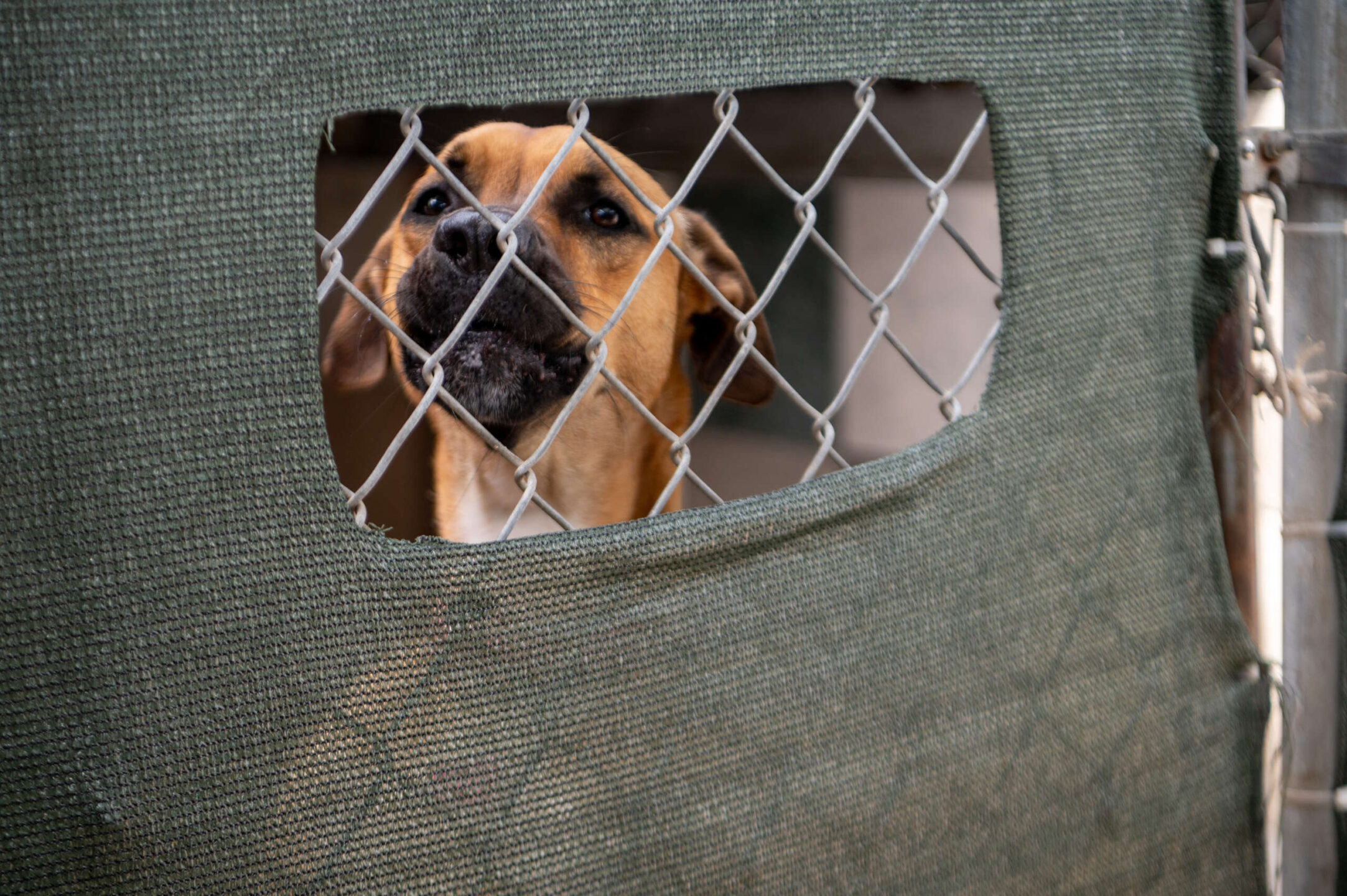
We also reported that Cayman’s six animal centred non-profits were asking government to step in to support a nationwide spay and neuter programme.
They believe the Ministry of Agriculture could provide funding, change legislation and cut red tape to allow mobile vets to come in on short-term work permits to help deal with the problem. It is understood that a proposal to use veterinary students at St Matthews University to help with the problem is now on the table.
The ministry, in an emailed response to our questions at that time, indicated talks with non-profits were ongoing and the ministry accepted that “uncontrolled breeding” of pet animals is a significant concern.
“Overpopulation is unfortunately largely driven by a lack of understanding and appreciation of the importance of having pet animals spayed and neutered and that, with the growth in population and changes in society, it is no longer acceptable to let pets roam and breed freely. The solution lies in education and a shift in cultural norms and views on pet breeding and population control,” it stated.
Related Videos











In Panama, vets are brought in on a regular routine basis, and the whole community gets involved in the mass spay/neuter program. Local kids and adults do all the work that does not require veterinary training. We need a program like this. Check out their facebook page. https://www.facebook.com/search/top?q=amigos%20de%20animales%20boquete%20panama