


The storm gives and the storm takes away.
Surging seas from passing Hurricane Ian retreated and resettled to reveal a slightly altered coastline around Grand Cayman.
While much of the focus was on the lost beachfront on the southern end of Seven Mile, residents in other areas woke to find their beach-front enlarged.
At the Tides development on South Sound, Louisa Sax and her dog Tilly were enjoying the expanded stretch of sandy coastline outside their home.
The development was built with a larger setback than many on that strip, and the beach expands and contracts at the whim of passing storms and pounding waves.
“Every couple of years we get this luxury of a bigger beach,” says Sax, a marine biologist who used to work with the Guy Harvey Ocean Foundation.
A different storm could be enough to blow away the gains, but she hopes the sand will stay for a while.
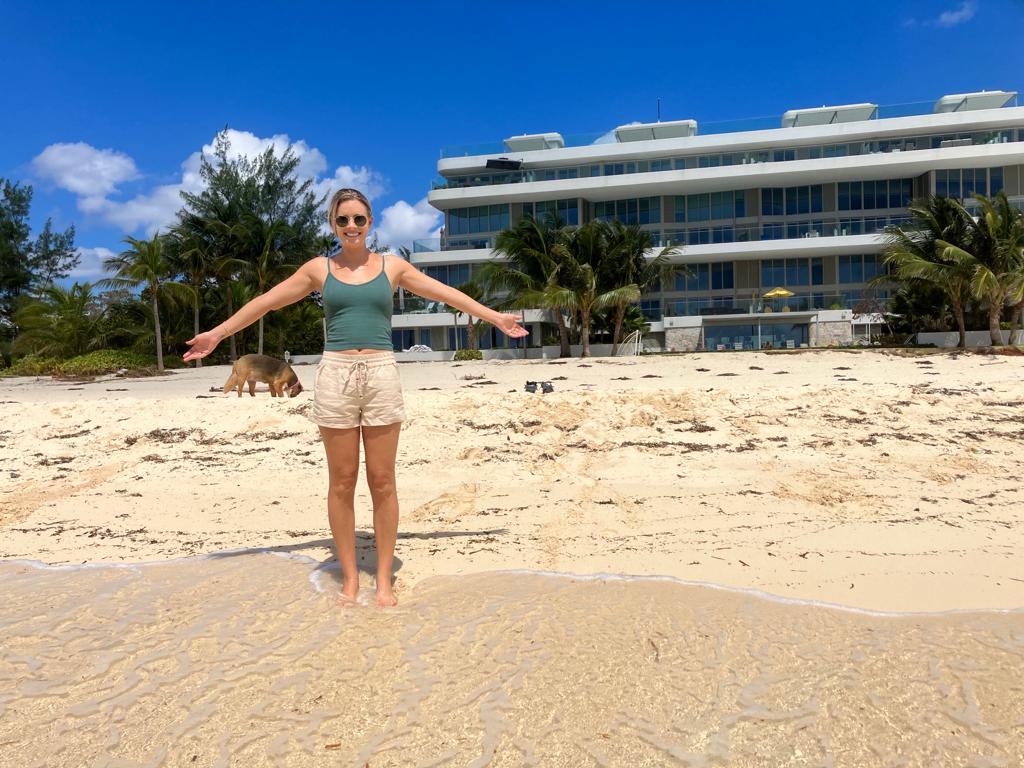
She believes the development, built with a wash-through bottom floor and the bulk of the hard structures on the land side of the vegetation line, is less prone than some others to losing its whole beach when the storm patterns don’t work in its favour.
Developer Matthew Wight, of NCB, said the project had been designed to allow the beach to flex with the seasons.
He said the sand movement in the area could shift as much as 100 feet over the course of the year.
“Our goal, after studying this property, was to respect and to not restrict this annual beach movement,” he said.
Hurricanes typically reduce the size of the beach at the property, with nor’westers returning sand to the area.
In this instance, the extraordinary fluctuations at Tides – usually seen over the course of many months – happened in the space of a single storm.
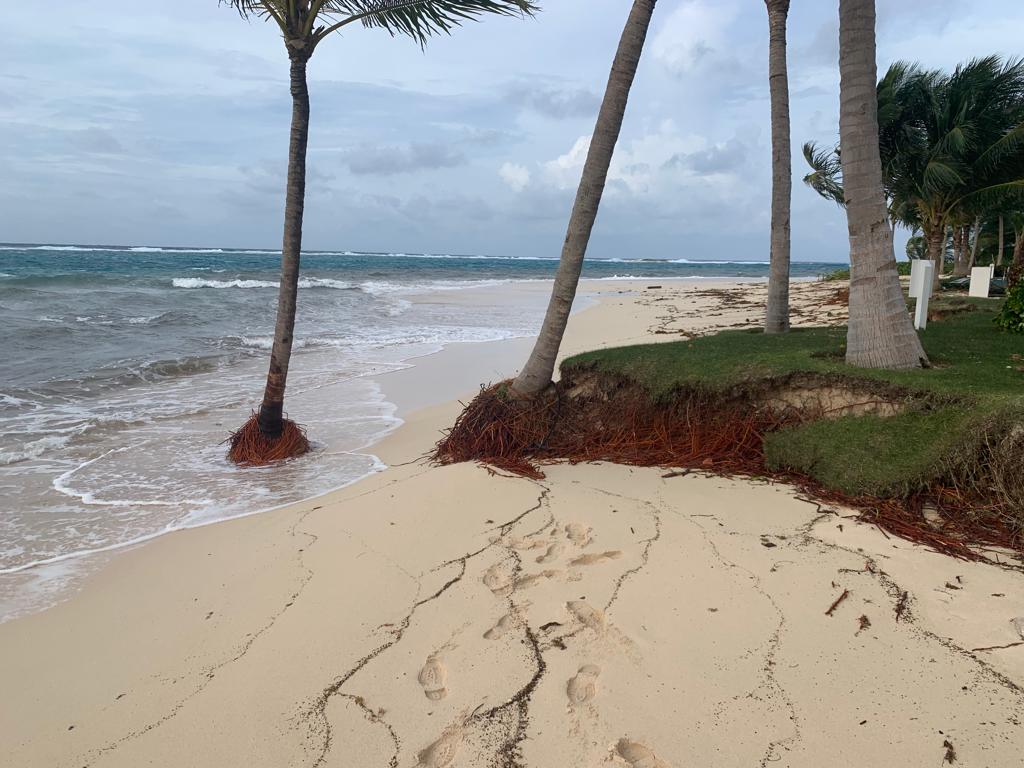
The initial impact of Hurricane Ian wiped away the beach.
But as the storm passed Cayman, the wave action from the northwest restored it in abundance.
Department of Environment deputy director Tim Austin captured images of the water lapping up against the edge of the property’s lawn on the Monday of the storm (see below).
Beaches are supposed to shift
Tides, located on a jutting elbow of land as you turn the corner from George Town on to South Sound, is at the conflux of two ‘sand transport’ systems and sees particularly dynamic changes throughout the year.
But the phenomenon is the same all over the island.
“The beach is just doing what it is supposed to do,” said Austin.
The idea of a fixed coastline is a human concept, not a natural one.
The construction of buildings, swimming pools, seawalls and decks on the beach side of the natural vegetation line has artificially firmed up the contours of the island in a way that interrupts that natural process, he said.
While it is normal for storms to give sand and to take it away, there has been more taking than giving in recent times. That’s simply down to poor decision making, said Austin.

A seawall or a pool constructed on the active beach can cut off the sand supply landward of that structure. That effectively removes sand from the system and exacerbates erosion seaward of the structure.
In past years, the right storm would have taken back that sand and replenished beaches elsewhere.
‘We need storms’
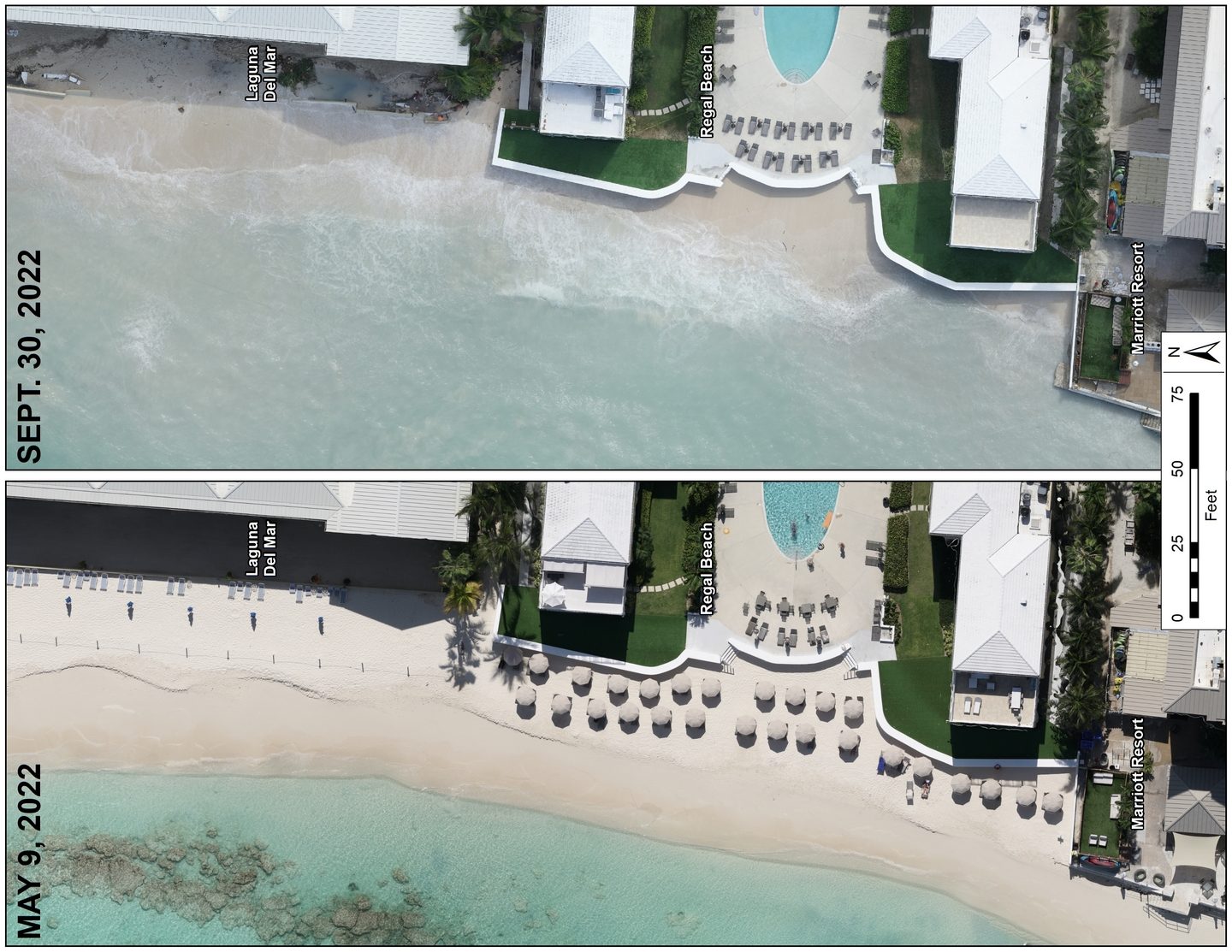
While the Marriott and adjacent properties suffered losses of the thin stretches of beach that had been regained at the southern end of Seven Mile this summer, storms are not always the enemy.
Initial results from drone surveys by the Department of Environment suggest there have been gains at the central and northern end of the beach.
“We do need storms because they sweep sand into the system from offshore,” Austin said. “Lots of times, we find that beaches grow after a storm. They tend to be destructive in the initial phase, but in the waning of the storm, we see the beaches take on a new shape.”
That’s always been the case, leading to scepticism in some quarters about the impact of things like climate change and over-development on beach dynamics.
But Austin says there has been a net loss over time, with the building of structures on the active beach being the key culprit.
He says it is clear that those developments built behind the beach ridge have fared better than those that chose to encroach beyond that point.
Intelligent design
Architect Mike Stroh of Trio Architecture agrees that property developers should be required to retreat from the beach.
“Any structure built too close to the ocean should be removed and rebuilt,” he said, adding that developers and property owners need to compromise, in their own best interests.
“They are the ones that are going to suffer when there is no beach,” he said.
But he also believes there can be compromise on both sides.
Groynes, like those used at Sunset Cove, could help protect threatened beach front, while changing planning codes to allow for more than 10 storeys in some areas would make it financially viable to build further back.
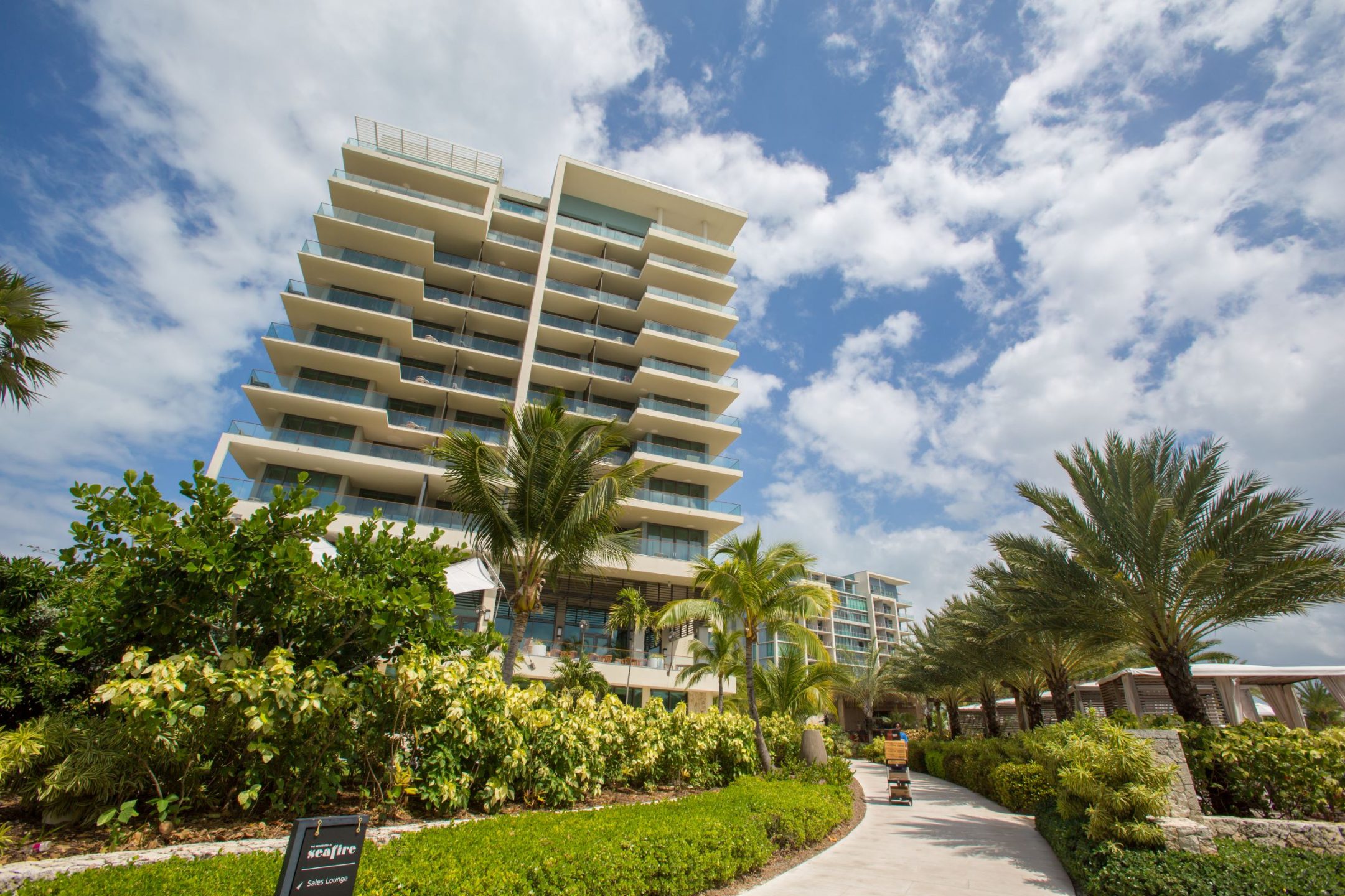
“In this case, taller buildings are not the enemy,” Stroh said. “If you go higher, you are able to go further away and give the beach back to the public.”
Not everyone supports higher buildings, however, with opponents arguing that the aesthetic impact and the influx of even more tourists would outweigh the benefits.
Retreat from the coastline
The Department of Environment advises that properties should be set back at a minimum of 130 feet from the high water mark, but argues that greater setbacks are appropriate in some areas.
However, many properties have already been built in that zone.
A policy of ‘managed retreat’ could be effective in certain areas. But it is difficult, says DoE Director Gina Ebanks-Petrie, for the department alone to lead that process.
When buildings are damaged or fall derelict, like the Royal Palms bar, the DoE advocates for any renovation or rebuild to take place further from the ocean. It has the flexibility in those cases to advise the Central Planning Authority to refuse applications to rebuild at the same spot.
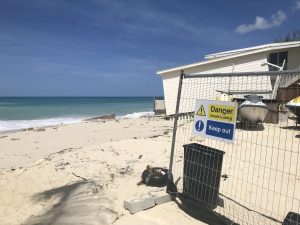
Over many years, that is a policy that could be effective in pulling properties back from the beach.
But it is harder to persuade hoteliers and condo stratas to invest hundreds of millions of dollars in demolishing viable homes and businesses to retreat from the beach.
That kind of over-arching policy is not something the DoE could or would dictate, but Ebanks-Petrie believes it should be part of a national conversation involving landowners and developers, as well as government. For now, the department is supporting a project to replenish the southern end of Seven Mile Beach with fresh imported sand.
That’s a viable, but possibly temporary solution, that will buy time for development and planning changes to take effect.
Rising seas and warming oceans are expected to make severe storms more frequent and increase erosion in Cayman and other low-lying islands.
James Whittaker, of GreenTech Solar and an advocate for climate resilient design, argues for a ‘10-year reset’ along Seven Mile Beach, with owners of developments incentivised to move back.
“The seawalls and properties that are identified as simply too close to the sea must be destroyed, but we can allow them to rebuild and go higher (instead of spreading out like they are now) and they need to pull far enough back from the sea to allow the natural flow of the beach without the seawalls,” he wrote in a social media post.
Whittaker said the idea would spur a rebuilding boom that would help upgrade coastal property, threatened by climate change and storm impact, and allowed the beach to regenerate while ensuring financial viability for the property owners.
Development plan needed
That kind of policy direction would need to come from a national development plan. The Plan Cayman project is expected to tackle the Seven Mile Beach corridor first but progress appears to have stalled over the past few years, and there has yet to be any public consultation over the future of Cayman’s main tourist area.
Asked this week about its plans for Royal Palms, which has fallen into disrepair since its closure and has seen its beach wiped away in recent storms, the Dart group did not comment directly on that site, instead citing the need for a national planning framework.
Dart Enterprises director Jackie Doak highlighted the company’s previous major hotel development – the Kimpton Seafire resort – which involved the closure of part of West Bay Road to allow the property to be built further back from the ocean than the old Courtyard Marriott at the same site – as an example of its commitment to environmentally sensitive design.
She said, “A productive discussion of coastal solutions cannot be a reflexive reaction to a natural disaster; it must be part of a logical, generational approach to the entire Seven Mile Beach corridor.
“A national development plan that permits increased building heights in designated zones coupled with a cohesive, long-term plan for increased setbacks for major new structures would support natural restoration of the dynamic Seven Mile Beach shoreline.”
The company – Cayman’s single largest private landowner – said it is keen to work with government and the local community on plans for the shoreline, including beach erosion control and hurricane surge protection.
“These considerations are fundamental to a national planning framework that supports resilient coastlines, economic development and enhanced outdoor spaces for those who live and visit here,” the spokesperson said.
Sand supply problem
But erosion is just one side of the equation. There is also a supply problem caused by the loss of hard corals on Cayman’s reefs.
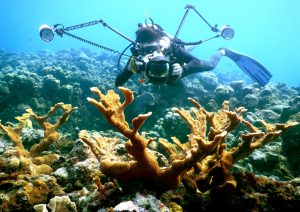
Much of the sand on Cayman’s beaches comes from particles of hard coral, ground up by parrotfish or eroded over time and swept ashore. Austin said coral loss had likely contributed to a depletion of Cayman’s sand supplies.
“There used to be massive swathes of staghorn and elkhorn coral. Those are huge producers of sand,” he said, adding that reef structures had also protected the island from wave action, providing a further bulwark against beach erosion.
Natural solutions
Sustainable Cayman has expressed support for a range of methods to combat beach erosion.
The environmental pressure group advocates for nature-based solutions, including replanting natural vegetation, to help anchor the beach in certain areas.
Morgan Ebanks, director of the non-profit, said she has seen beaches, where she played as a youngster in the West Bay area, lost to erosion.
The organisation supports the concept of managed retreat for buildings too close to the water, but would also like to see innovative nature-based solutions explored.
She highlighted a plan in Biscayne Bay, Florida, to revive offshore sand cays and oyster beds as a natural barrier against erosion and storm surge impacts. Cayman’s ecology is slightly different, but the concept of exploring natural solutions, including the rebuilding or ‘rewilding’ of diminished reefs, is worth exploring, she argues.
Developers should protect number one asset
For Louisa Sax, the key is for developers to respect the natural world and do everything in their power to protect the beaches and the surrounding environment that make their properties desirable. She said Tides appeared to be a good example of a development that had flexed to its surroundings, leaving the beach intact and installing turtle-friendly lighting, among other things.
She hopes more developers will learn from the mistakes made in the past, and keep construction, including pools and decks, off the active beach.
Glamorous glass-fronted buildings with modern designs might be desirable, she said, but for property owners and tourists, as well as nature lovers, the beach is Cayman’s primary asset.
James Whittaker, the author of this article and James Whittaker, of GreenTech Solar, are not related.
Related: View interactive images of the shifting sands of Seven Mile Beach
Related Videos








So when is the government going to start doing something
What was the effect on our invasion of Sargassum Weed?.