Marine scientists are exploring the depths of the ocean surrounding the Cayman Islands, taking DNA samples and capturing images of the creatures found as deep as 6,000 feet, while mapping the islands’ deepest coastlines at the same time.
Cayman’s Department of Environment has been working with Marine Conservation International since 2009, studying shark and fish species in local shallow reefs, at 100 feet, since 2009. Now, along with Scotland’s Heriot-Watt University and NGO Beneath The Waves, they’re exploring farther down, to determine if the sharks and other species found in shallower waters spend time much farther down.
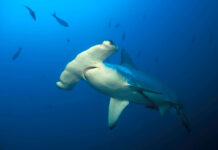
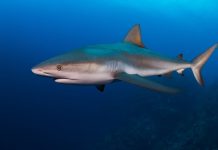
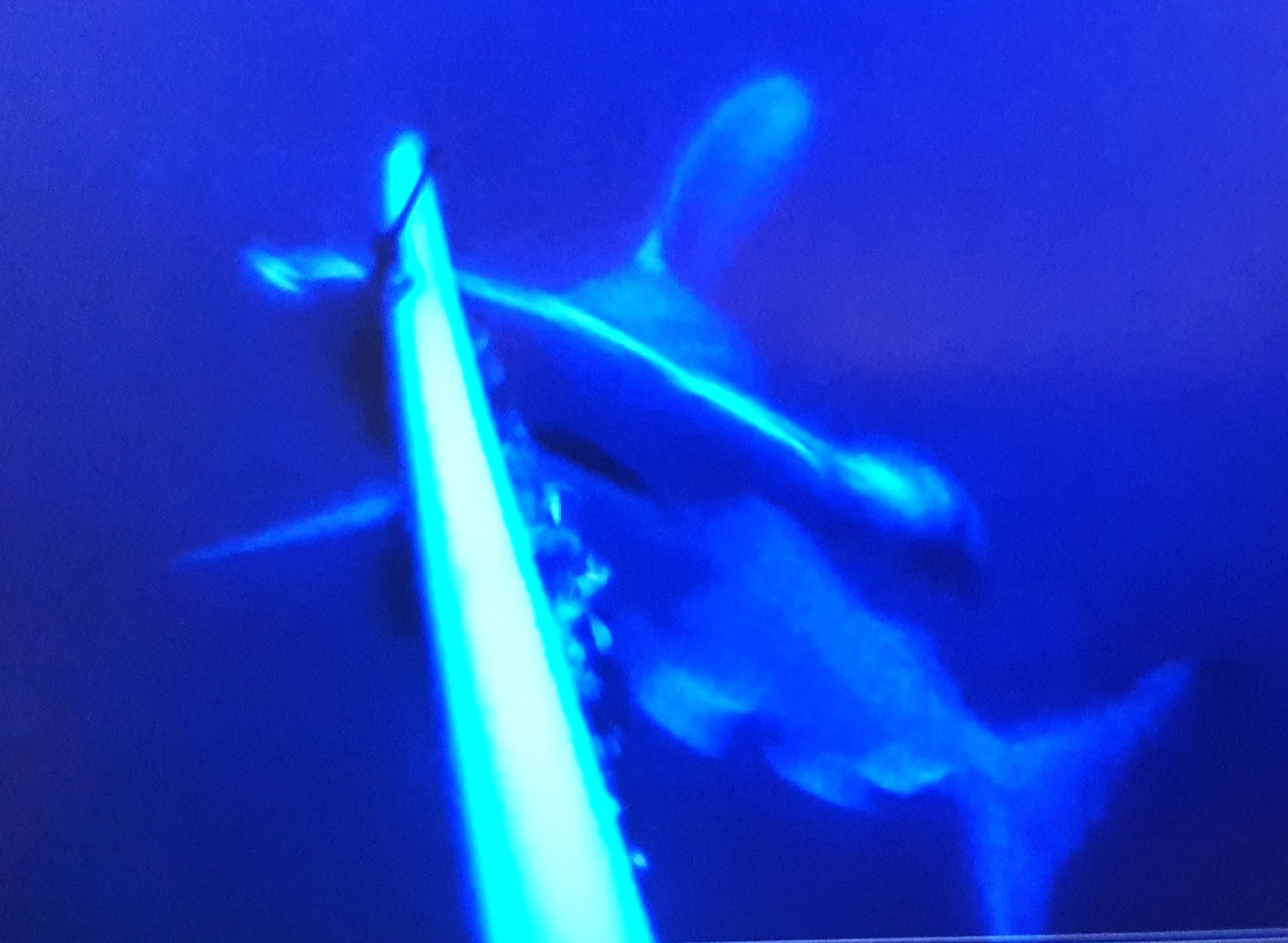
The ‘Deep See Cayman’ project, launched in March this year, uses deep sea baited remote underwater video (BRUV) cameras to film species at two depths – one between 160 and 660 feet – where researchers have recorded several species of shark, including Caribbean reef, tiger, silky, scalloped hammerheads and great hammerheads – and the other at between 1,640 and 6,600 feet.
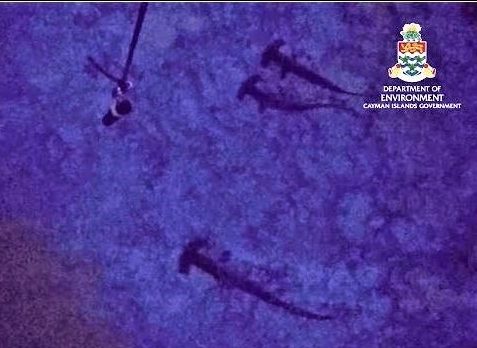
“We have a pretty good understanding of what’s at the top of the reef shelf,” Johanna Kohler, shark project officer with the Department of Environment told the Compass. “Now we’re looking at the big drop-off and looking for sharks that go deep. Perhaps because of human activity, or effects from climate change, or warming water, or pollution, they’re going deeper.”
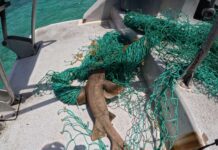
In the past, Kohler said, fishermen have caught dogfish, sixgill sharks and sevengill sharks in deep waters off Cayman – and she’s even carried out post-mortems on some that haven’t survived the change in pressure as they were brought to the surface.
Also, famed shark expert Eugenie Clark recorded seeing sharks when she dived hundreds of feet underwater in submersibles off Cayman’s coast in the 1980s.
However, dedicated monitoring, surveying and mapping of Cayman’s deep-sea environment has not been done before, Kohler said.
“We don’t really know what the shark population and diversity of species is down there because … nobody has looked that deep before. It is pioneering work,” she said.
It’s not just sharks that are showing up on the GoPro BRUV cameras – a variety of predators and large fish are attracted to the bait attached to the cameras, all of which are recorded when the video is analysed when the team returns to dry land, sometimes after six or seven hours on a boat.
eDNA samples
The team also takes samples from the water hundreds of feet below, to carry out tests on environmental DNA, known as eDNA.
Kohler explained that even if the camera does not capture an image of an animal at depth, that doesn’t mean the creature isn’t found that deep; it simply hasn’t come close to the camera.
Now, the eDNA from the sample of water gathered at depth can be examined for genetic evidence of species of marine life, for example, from their faeces or shed skin – traces of which can remain in the water for up to two weeks after they have been in the area, Kohler said.
“When we take the water sample and analyse it, we can tell, for example, if a dogfish or a sevengill shark has been there,” she said.
Mapping the depths
The team goes out twice a week, weather permitting, to survey various spots around the island, but return to the same sites, or ones close by, regularly to monitor any seasonal activity.
While they’re out there, their camera equipment, with a depth sounder attached, is also mapping the contours of the island at depth.
Currently, mapping of the underwater terrain has only been done at about 100 feet – deeper than that and it’s all still a bit of a mystery, one that the people working on the Deep See Cayman project hope to help solve.
Though the project is still in relatively early days, there have already been some surprises – like the fact that Caribbean reef sharks, often found at shallower depths of 100 feet or so, have been found at deeper depths than it had been thought they went.
Really deep down, at more than 6,000 feet, there’s not a lot to see “so far”, Kohler said, other than some bright orange shrimp, about four inches long, that have taken a liking to the bait on the camera.
The two-year project is funded by a UK Darwin Initiative grant and a fund set up with the Cayman Islands Brewery from proceeds of White Tip beer sales.
Related Videos