

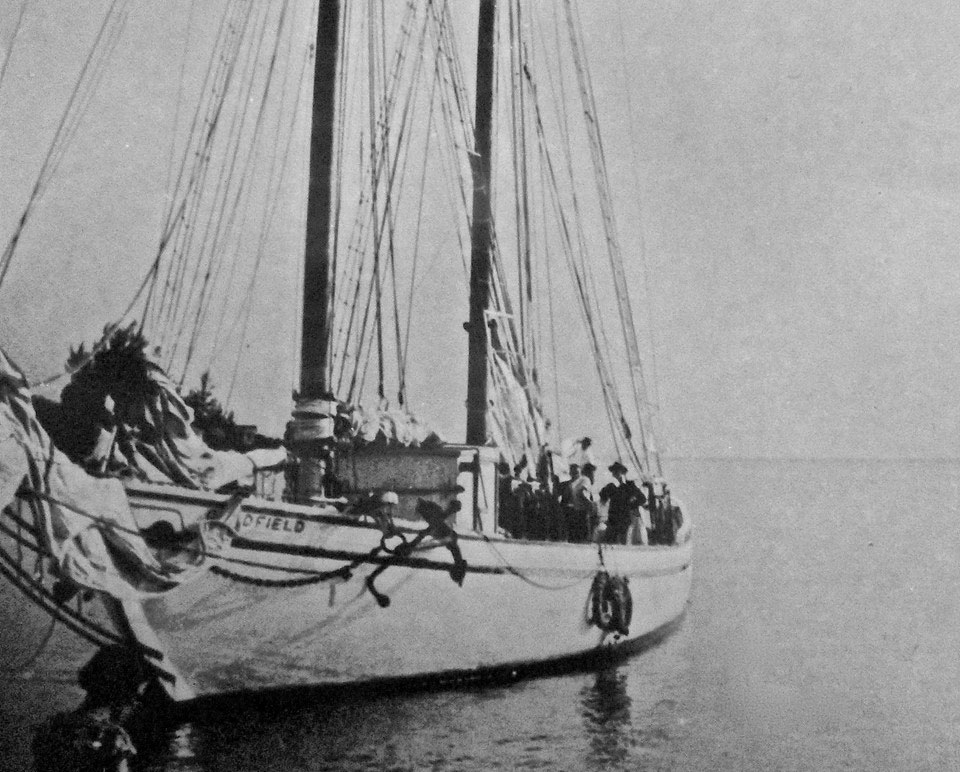
At first light a schooner clears Grand Cayman, her decks stacked with barrels of salt and nets. A handful of men stand amid the gear; barefoot, weathered, silent.
For a few decades in the 20th century, Caymanians worked as both turtle hunters and shark rangers off the coast of Nicaragua.
Before sharks, turtles were Cayman’s ‘lifeblood’
Long before the shark trade, the turtle was Cayman’s lifeblood. Caymanian men sailed south to the turtle grounds off the Caribbean coast of Nicaragua bringing back live turtles that fed and financed the islands.
Men like Archie Rivers and Crosby Ebanks still remember making those trips. “I went as the cook on the Goldfield,” explained Ebanks, “We dropped the men off on small little islands and they made huts over the water to sleep in.”
It was perilous but also strangely beautiful: typically, just two or three men left to hunt and survive on a small, isolated sand cay, often surrounded by mangroves; a solitary life among seabirds and reefs where the sun and the horizon was the only clock and the stars the only map.
91-year-old Ivan Farrington recalled a trip he made in 1952 to the cays with Captain Willie Farrington on the Jemson. “The main turtle kraals were on the big island; but members of the crew were dropped off on the smaller cays and they would be picked up 10 to 12 weeks later with their catch of turtles. I also carried some thatch rope, hats and tobacco to sell the Waikna (Miskito Indians).”
The Miskito Cays, already known for their turtle population, offered ideal conditions for sharking too: shallow reefs, clear water and open flats.
Shark trade takes off
When shark hides began fetching good prices in the 1930s, those same voyages became dual-purpose expeditions. Sharks, once considered a nuisance around the turtling camps, were suddenly worth pursuing. In 1935 the Colonial Annual Report recorded that “exports of shark hides from the Cayman Islands totaled 11,962 pieces,” the largest on record that decade.

Archie Rivers explained that the Caymanian shark rangers mostly sought out large nurse and tiger sharks, whose thick hides fetched the best prices. “Once landed, the sharks were skinned and the hides washed, salted and packed in sacks for the return voyage.”
“With no medicine, no doctors or nurses on these cays, it could be a serious situation if you got hurt,” said Loxley Banks who recalled when Olin Smith came back to Cayman from a trip with a major injury, “One of his hands was nearly completely bitten off by a shark,” he said.
Catching the giants of the sea
The Caymanian rangers launched catboats and set heavy baited handlines or nets. The catching was the heart of it, long, back-breaking hours hauling sharks, mostly nurse and tiger sharks to the gunwales, gaffing, clubbing and skinning them before salting the hides for the return voyage.
They lived simply: cooking fish and turtle over driftwood fires, collecting rainwater in canvas tarps, sleeping in hammocks strung between trees and posts on small uninhabited cays off the coast.
They sailed on a share system: owners, captains, crew all divided profits after costs; a few ruined hides, lost lines or a ripped sail could erase a month’s earnings.
And all the while they watched the sky. Hurricanes were a constant threat in the summer months. With no radio and only a barometer and an instinct for warning, a sudden squall could turn the sea against them.
More than one schooner was lost in those waters off Nicaragua or on the voyage between Cayman and the Miskito Cays.
A shared frontier
Caymanians were not alone in those waters. For generations the turtlers and logwood cutters had worked alongside the Miskito Indians, a coastal people, who like the Caymanians were known for their seamanship, but also their extraordinary eyesight.
Miskito men could often spot a turtle breathing on the surface or the shimmer of a shark beneath the sea, long before anyone else. Captains sometimes hired them as ‘strikers’, their eyes scanning the horizon for the faint movement on the surface of the water or below it.
Those trips in search of sharks and turtles helped shape the Caymanian character itself; independent, expert hunters who read the wind, the waves and the tides.
The fleeting boom
For a brief moment the trade flourished. Shark hides fetched up to US$5 each, enough to feed a family for weeks, with the hides destined for tanneries in New York and London, where the tough skin became ‘shagreen’; a luxury leather for wallets, handbags and even book covers.
Merchants like Duncan Merren in George Town ran curing sheds known as ‘shark houses’. But by 1940, the Colonial Reports were already noting decline. The large breeding sharks were gone, the smaller ones unprofitable.
E. F. Thompson’s government survey, the Fisheries of the Cayman Islands (1944–46), observed that “sharking, a once-significant but now waning pursuit has declined with the exhaustion of accessible grounds.” Through the 1950s exports dwindled to a few hundred hides a year; by the 1960s the trade was finished.
Still, the discipline and endurance it demanded, as well as the seamanship, teamwork and quiet bravery, became part of Cayman’s maritime DNA.
From harvest to harmony
The 1970s marked a turning point. The Wickstead Natural Resources Study urged Cayman to value its marine environment as “an asset of economic and aesthetic importance.” That mindset laid the groundwork for marine parks and a shift from exploitation to protection.
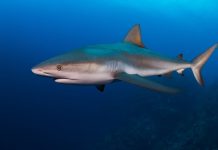
By 2015, Cayman declared full legal protection for all sharks. Modern research has revealed their far-ranging habits. Tagging studies show that oceanic white-tips and tiger sharks tagged near Cayman travel hundreds of miles into neighbouring waters. Their migrations reveal both the reach of Cayman’s conservation efforts and the limits of local control.
The Department of Environment’s report, ‘Protecting Cayman Island Sharks’, noted that “Cayman’s sharks are more valuable alive than dead,” a sentiment that has come to define the country’s approach.
Balancing bounty and sustainability
For coastal peoples, the sea has always been both a source of food and livelihood. Caymanians still feel that tension keenly: the need to harvest responsibly while safeguarding the resource.
Today’s challenge lies in finding balance; protecting the apex predators that keep the reefs healthy, while maintaining viable fisheries for marine species like grouper, conch and lobster.
Today, shark protections sit alongside managed fisheries and the Cayman Islands is starting to share tagging data with regional countries helping others protect migratory species that ignore national boundaries.
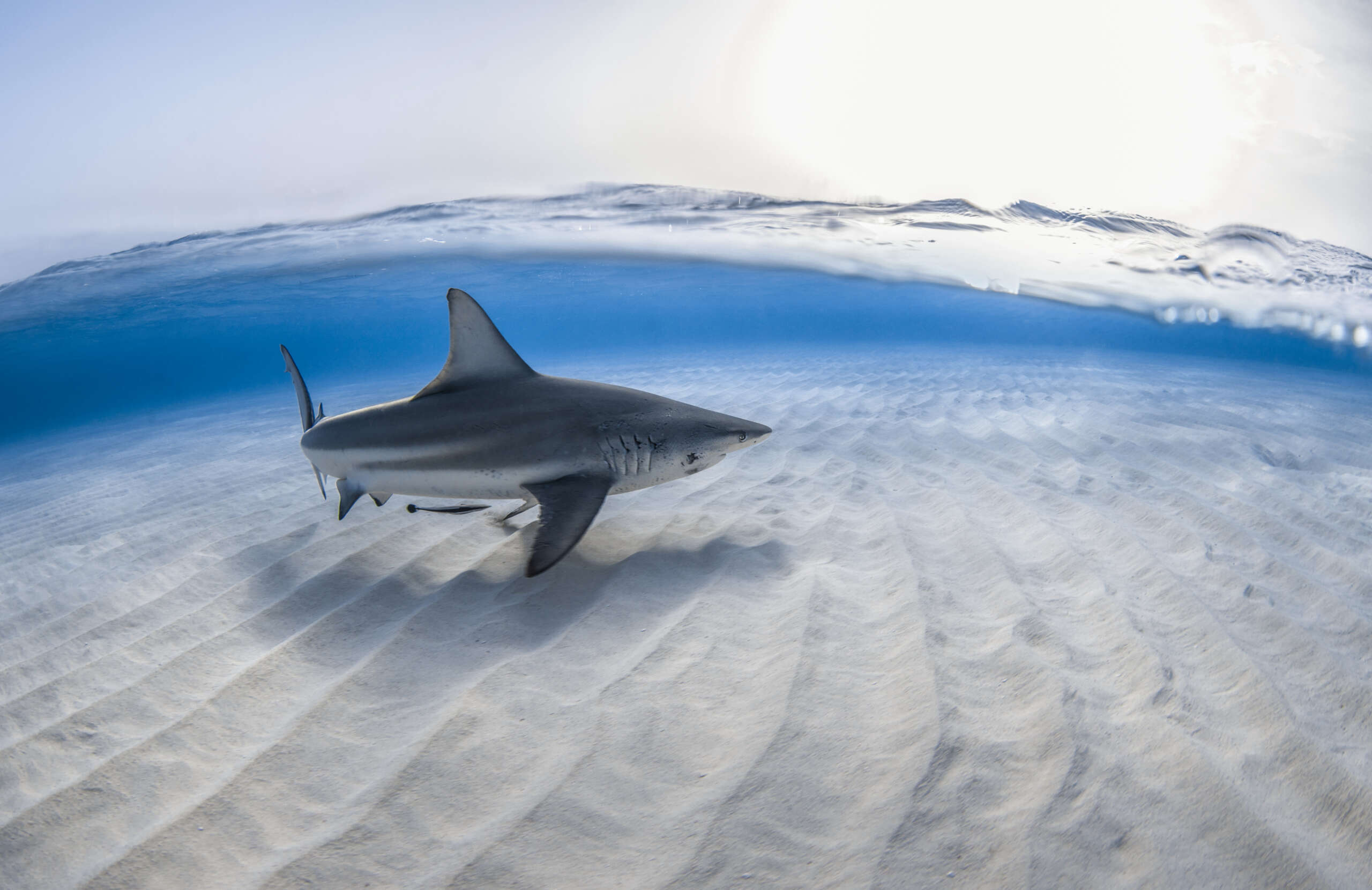
Dive operators, fishers and scientists also work together in citizen-science efforts like the Sharklogger Network, which logged more than 1,600 shark sightings in Cayman waters in 2023. The old rivalry between hunter and prey has become a partnership of observation and respect.
Fisheries are not gone; they have simply evolved. Snapper, conch, lobster and a wide variety of reef fish still sustain families. For young Caymanians, the question is not whether to fish, but how to coexist with the sea that shaped their ancestors.
Related Videos








Interesting article. Thanks for keeping Cayman’s history in the public eye, Simon.