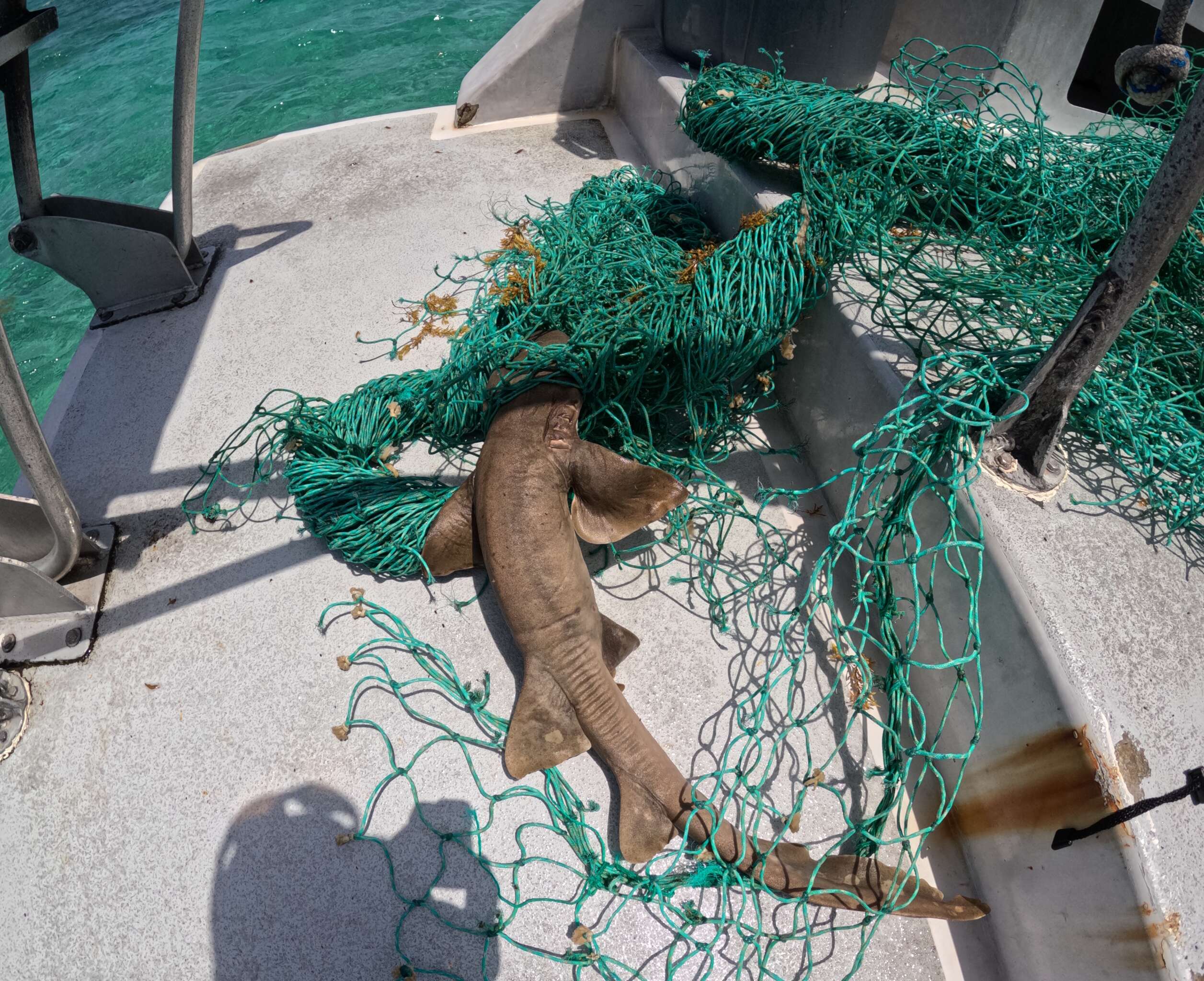
A decade after sharks were first protected in Cayman waters, officials say early signs of recovery are beginning to emerge, alongside a rise in encounters with fishermen.
“For successful long-term conservation, sharks need many years of protection. We are talking decades,” said Johanna Kohler, manager of the Department of Environment’s Shark Research and Conservation Programme, speaking at a meeting of the National Conservation Council on 25 March.
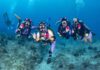
“Now that we’ve passed the 10-year mark, we do see early signs of an increase in the number of sharks. Divers report more frequent encounters … however, fishermen also report more frequent encounters.”
Sharks have been legally protected in Cayman since 2015, with laws prohibiting their capture, harm or harassment. For several years after the protections were introduced, officials reported little measurable change in populations, reflecting the species’ slow growth and reproductive rates.
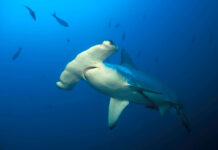
Recent data and community reports now suggest that is beginning to shift. Diver logs indicate an upward trend in shark sightings over time, particularly in coastal waters, where species such as nurse sharks and Caribbean reef sharks are most commonly observed, while species such as blacktip, lemon and hammerhead sharks are recorded in much smaller numbers, and tiger sharks remain rare.
At the same time, fishermen have reported more frequent interactions with sharks, including instances of sharks taking bait or catch from lines and being accidentally hooked. Kohler said that while deliberate killing has declined, these fishing-related encounters remain a primary driver of shark mortality.
Reported deaths fell sharply from more than 20 in 2017 to near zero by 2020, but the trend has reversed in recent years.
Since 2022, mortality has begun to rise again, fluctuating year to year but edging back into the low double digits by 2025. While still below earlier peaks, the increase suggests that pressures on shark populations persist, largely linked to ongoing interactions with fishing activity.
“Fishing is never 100% selective,” explained Kohler. “There’s always the possibility of a shark getting hooked. Some don’t survive the capture, and those that do might die post-release because of the injuries or the response to distress endured during the capture and release process.”
The data suggests that younger sharks are bearing the brunt of those losses. A breakdown of 2025 mortality shows that most deaths involved juvenile pups aged 1 to 3 years, with far fewer adult sharks affected.
The pattern is also seasonal, with deaths concentrated between May and October. Kohler said that pattern likely reflects a combination of fishing activity and seasonal factors, including a suspected pupping period during the summer.
New three-year study
A new three-year research project, funded through a UK Darwin Plus grant, aims to address those challenges by closing key gaps in understanding the lifecycle of sharks in the Cayman Islands.
The initiative will focus on identifying breeding areas, tracking reproductive cycles and protecting vulnerable life stages, particularly juveniles and pregnant females, using tools such as tracking, hormone analysis, ultrasound and citizen science.
It will also test new technologies, including birth-alert tags and a shark deterrent device designed to reduce interactions with fishing gear. The deterrent, which emits an electromagnetic field to repel sharks, will be trialled with local anglers as part of a broader effort to balance conservation with fishing activity.
“The increase in sharks was a hopeful result, but now we need to make sure we can peacefully coexist in order to ensure continued protection,” she said.
Related Videos